F1 has declared the Austrian Grand Prix a heat hazard as Europe swelters
The same heatwave hitting our roads is now reshaping a Grand Prix
Europe's heatwave has reached Formula 1. The FIA has officially declared the 2026 Austrian Grand Prix a heat hazard, the first race to get the designation this year, as soaring temperatures across the continent make racing genuinely dangerous for the drivers. It is a reminder that the conditions making headlines across Europe have real consequences inside a race car.
What a heat hazard actually means
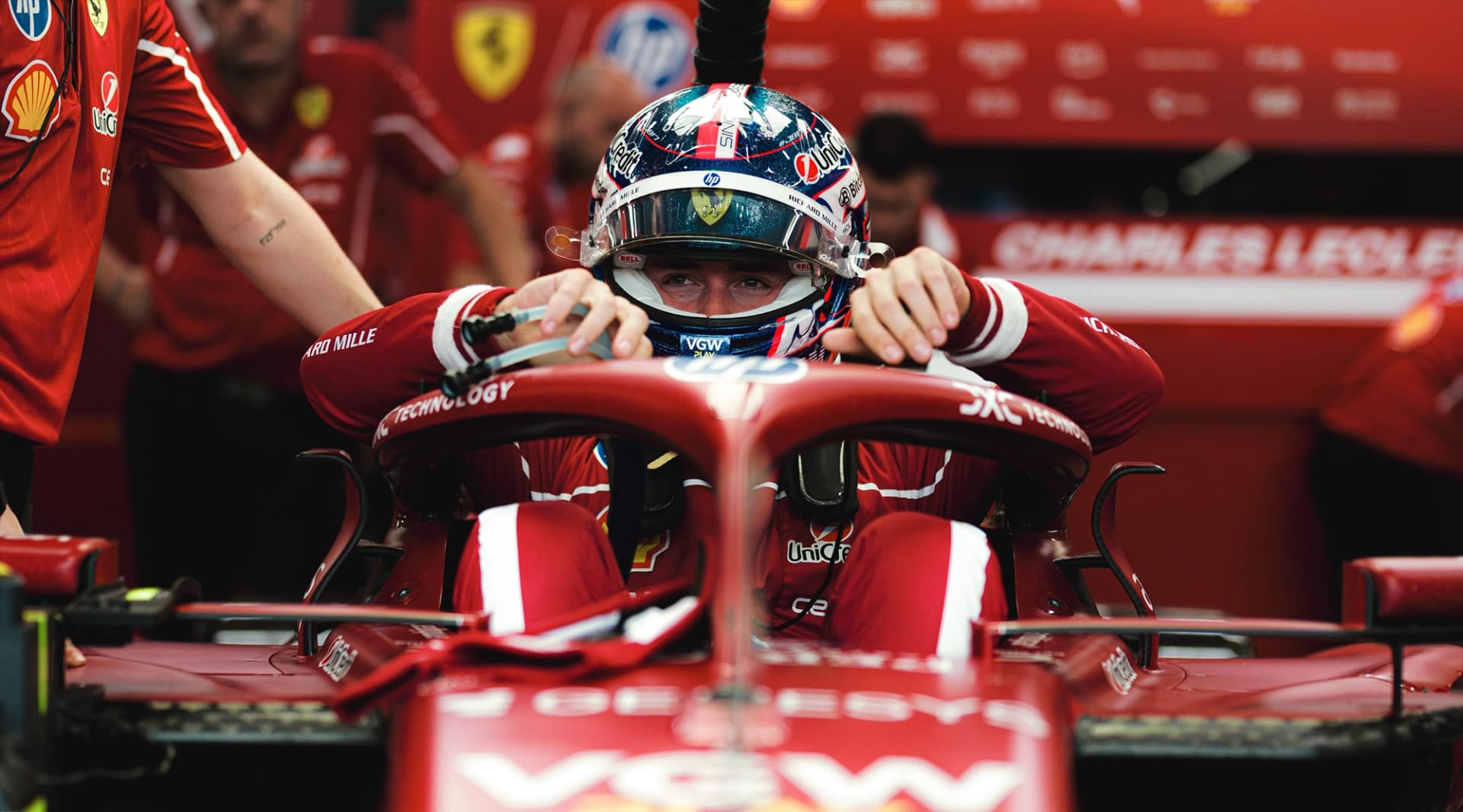
The heat-hazard designation kicks in when temperatures are forecast to exceed 31C over a race weekend. Once declared, drivers are given the option of wearing a specially designed cooling vest, which circulates liquid through a network of pipes beneath their fireproof overalls to help regulate body temperature. Any driver who chooses not to wear the system must instead add 5 kg of ballast to their car, a measure designed to offset the weight of the cooling kit and keep things fair.
Why the rule exists
This is not bureaucracy for its own sake. The heat-hazard framework was introduced after the 2023 Qatar Grand Prix, one of the most physically brutal races in recent memory. Williams' Logan Sargeant retired because of the conditions, and Aston Martin's Lance Stroll said he nearly blacked out at high speed. A modern F1 cockpit is a punishing environment at the best of times, and in extreme heat it becomes a genuine safety issue, not just a question of comfort. Austria is the first race to trigger the rule in 2026, after Singapore and Austin did so previously.
The drivers are not sold on the vests
The cooling vests remain a work in progress. Some drivers find them uncomfortable or awkward, and others report that the coolant runs out before the end of the race, leaving warm liquid that does little to help. Max Verstappen summed up the mixed feelings: "I don't like the tubes. It just needs to be an option for the drivers to choose. Some like it, some don't, and that's fine." Keeping the vest optional, with the ballast trade-off, is the FIA's compromise while the technology matures.
AutoNext Take
It is easy to forget how physical Formula 1 is until a race nearly puts drivers in hospital, and the heat-hazard rule is a sensible, overdue response to exactly that. The fact that a circuit in the Austrian mountains, not a desert night race, has triggered it tells you how serious this European heatwave is. The cooling vests clearly are not perfect yet, and Verstappen is right that they should stay optional until they genuinely work for a full race distance. But the principle is sound: driver safety has to come before tradition, and a sport that pushes humans this hard owes them the best protection it can engineer.