Belgian traffic fines go up 10% on 1 July, and the timing tells a story
Drivers will pay more from next month, whether the roads get safer or not
Belgian drivers are about to pay more. From 1 July 2026, the small traffic fines, the immediate penalties police issue on the spot without going to court, rise by 10 percent. A basic speeding fine in a 50 km/h zone goes from €58 to €64, and most other on-the-spot fines climb by a similar margin.
What changes, and by how much
The increase applies to the immediate penalties, the fines you can settle directly rather than contest in court. The headline example is the basic speeding fine in a built-up 50 km/h zone, which rises from €58 to €64, on top of the administration fee. Other common penalties stay at their existing levels for now, with a fine for using a phone behind the wheel at €191 plus the administration fee, and a fine for driving at the 0.5 promille alcohol limit at €217. The Belgian government announced the increase back in December, and the federal mobility department has confirmed it.
The numbers behind the fines
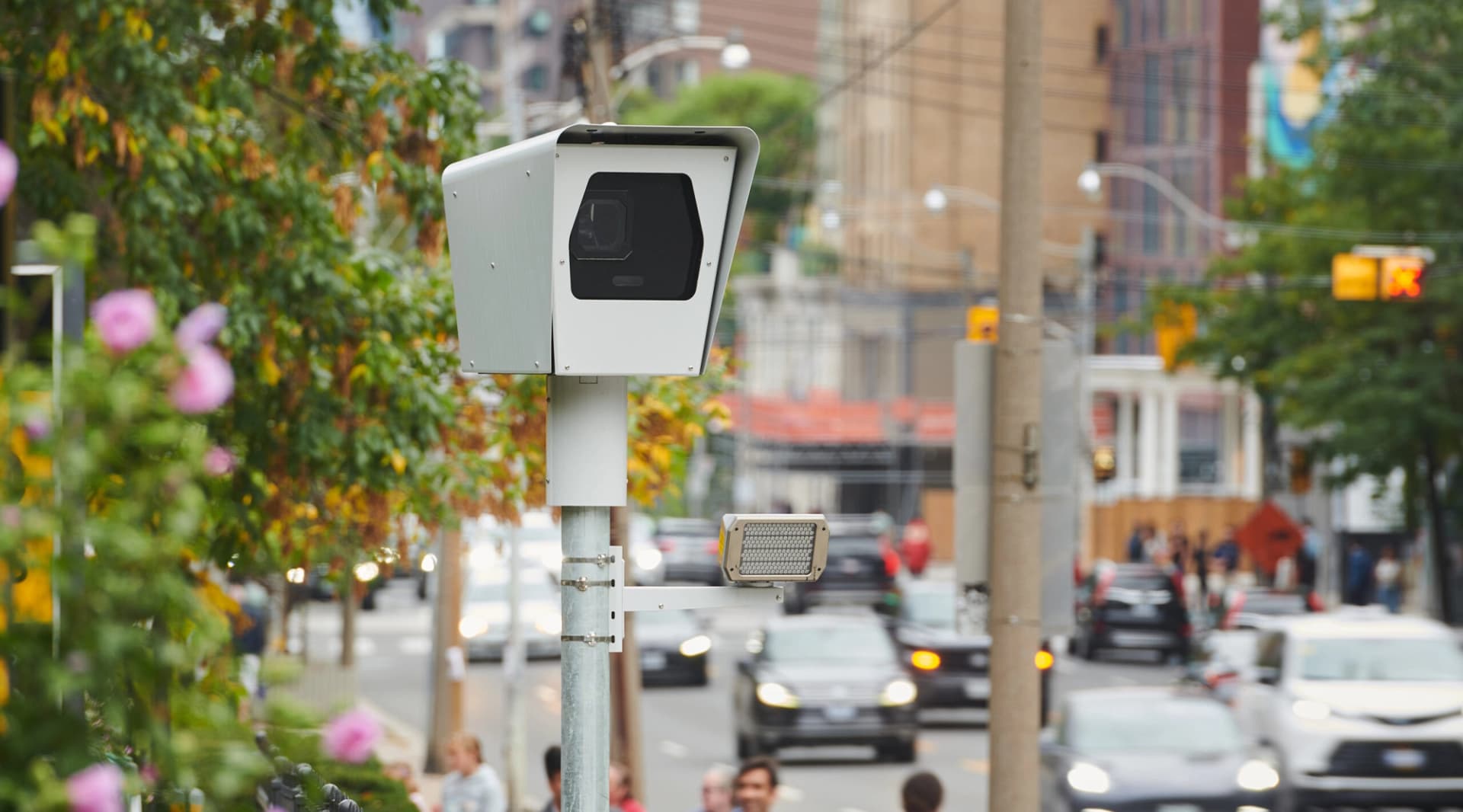
The scale of this is easy to underestimate. In 2025, Belgian police recorded more than 10 million traffic violations, an average of around 27,000 fines every single day. Together they generated roughly €600 million in revenue. A 10 percent increase applied across that volume is not a rounding error. It is a substantial sum, and it lands directly on the wallets of ordinary motorists.
Safety or revenue?
Officially, traffic fines exist to make the roads safer by discouraging dangerous behaviour. Nobody sensible argues against penalising drink-driving or phone use behind the wheel. But the available information does not frame this increase as a new safety measure tied to any specific road-safety goal. It is simply a decision to raise the amounts. That distinction matters, because a fine designed to change behaviour and a fine designed to raise money can look identical to the person paying it.
AutoNext Take
Let us be honest about what this looks like. When €600 million a year is already flowing in from more than 10 million fines, raising the amounts by 10 percent without a corresponding new safety rationale feels a lot less like protecting road users and a lot more like topping up a budget on the backs of ordinary drivers. Genuine road safety comes from better infrastructure, clearer signage and consistent enforcement of the things that actually kill people, not from quietly inflating the cost of a few km/h over the limit in a 50 zone. Penalising dangerous driving is right. Treating the motorist as a reliable cash machine is something else entirely, and drivers are right to be sceptical about which one this is.