Stellantis is talking to two partners to turn Maserati around
A week after celebrating 100 years, Maserati admits it cannot do this alone
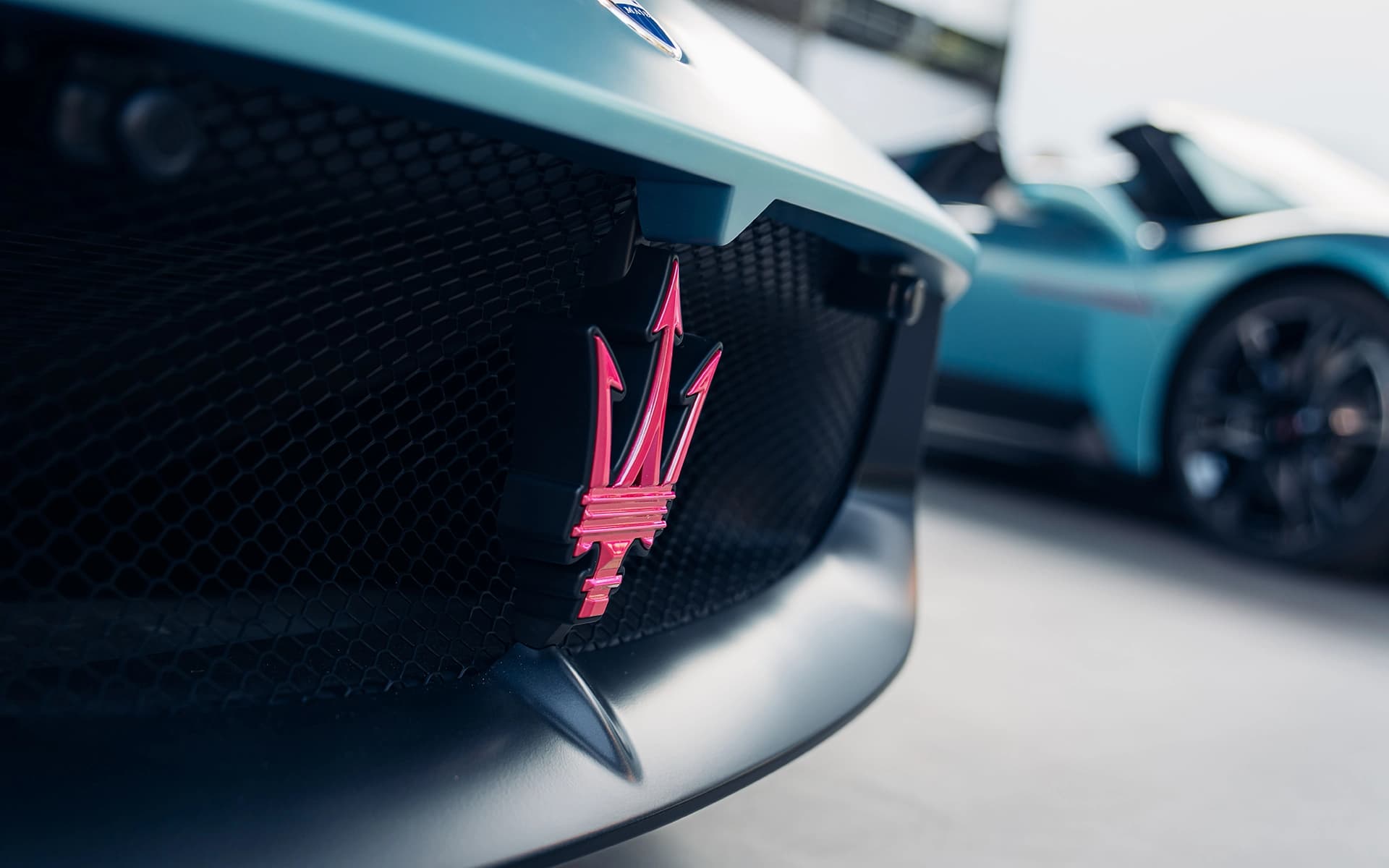
Maserati is in trouble, and Stellantis is looking for help. CEO Antonio Filosa has confirmed the group is in talks with two potential partners who could bring technology and fresh ideas to the struggling luxury brand, with a decision expected in December. It is a striking admission so soon after Maserati marked the centenary of its Trident badge with a major model refresh.
What Stellantis actually said
Filosa confirmed Stellantis is in discussions with two unnamed potential partners and will soon decide which to pick. The aim is to find a partner that can, in his words, "bring us technology, development, and excellent ideas." He was careful to stress Maserati's standing within the group, describing it as a "pure luxury brand with a special customer and a unique legacy." Crucially, he also made clear that Maserati is not for sale. This is about partnership, not divestment.
The China connection
The partners have not been officially named, but reports from China have suggested Stellantis has been talking to technology giant Huawei and carmaker JAC Motors about new-energy vehicles. One rumoured plan involved selling a model under the Maextro brand in China while retaining the Maserati name globally. None of this is confirmed, and it should be treated as speculation for now, but it fits a wider trend of European luxury brands turning to Chinese partners for electric and software expertise they cannot develop quickly enough alone.
Why Maserati needs this
Maserati has endured a difficult few years, with sales well below where the brand needs them to be and its Italian plants at Cassino and Modena running short of work. A partnership that boosts production and accelerates technology development is intended to address exactly that. The brand's product plan still points upward: facelifted GranTurismo, GranCabrio and Grecale models are already here, and two new e-segment cars are due by 2030, a large crossover expected to succeed the Levante and a sleek sports car or grand tourer.
AutoNext Take
Stellantis insisting Maserati is not for sale while openly shopping for a partner to supply its technology tells you everything about the bind the brand is in: too precious to let go, too far behind to fix alone. A Chinese partnership would be the pragmatic move, because that is where the electric and software know-how now lives, but it carries obvious risk to a brand whose entire value rests on Italian exclusivity. Get the balance wrong and Maserati becomes a badge on someone else's platform. Get it right and it gets the modern underpinnings its gorgeous cars deserve. December cannot come soon enough.