Bugatti Tourbillon undergoes extreme winter testing in Sweden
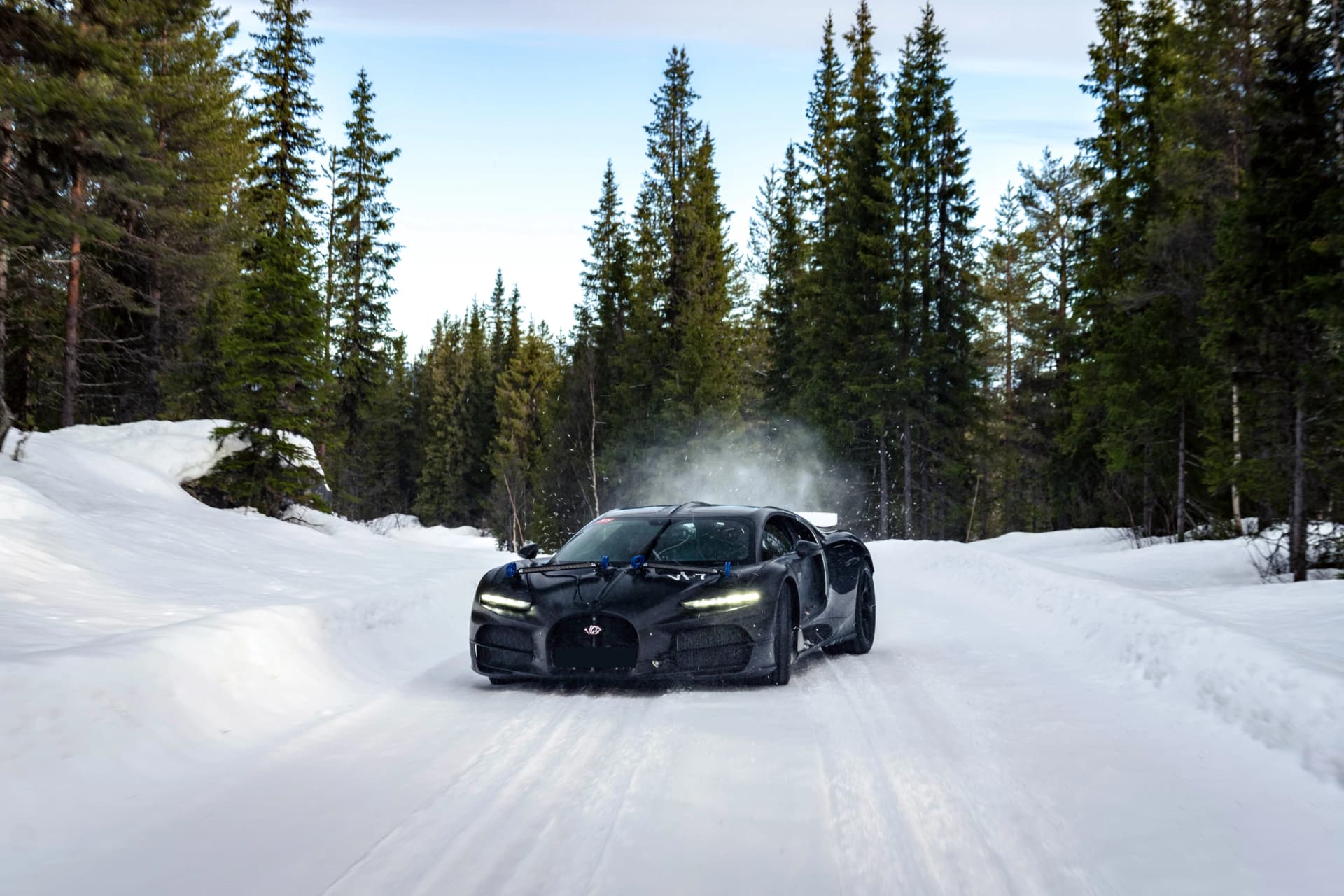
Bugatti has taken the Tourbillon to one of the harshest places a hypercar can go.
But Arjeplog, Sweden, where temperatures can drop to -30°C, grip disappears almost completely, and every mistake from the car’s control systems becomes immediately obvious. At the Colmis Proving Ground, Bugatti is putting Tourbillon validation prototypes through extreme winter testing as part of its “A New Era” docuseries.
The mission is simple, but brutally difficult: make sure the brand’s next-generation hypercar does not only work when conditions are perfect, but also when the road surface is ice, snow, slush or a constantly changing mix of everything.
1,800 hp is only impressive if the car can control it
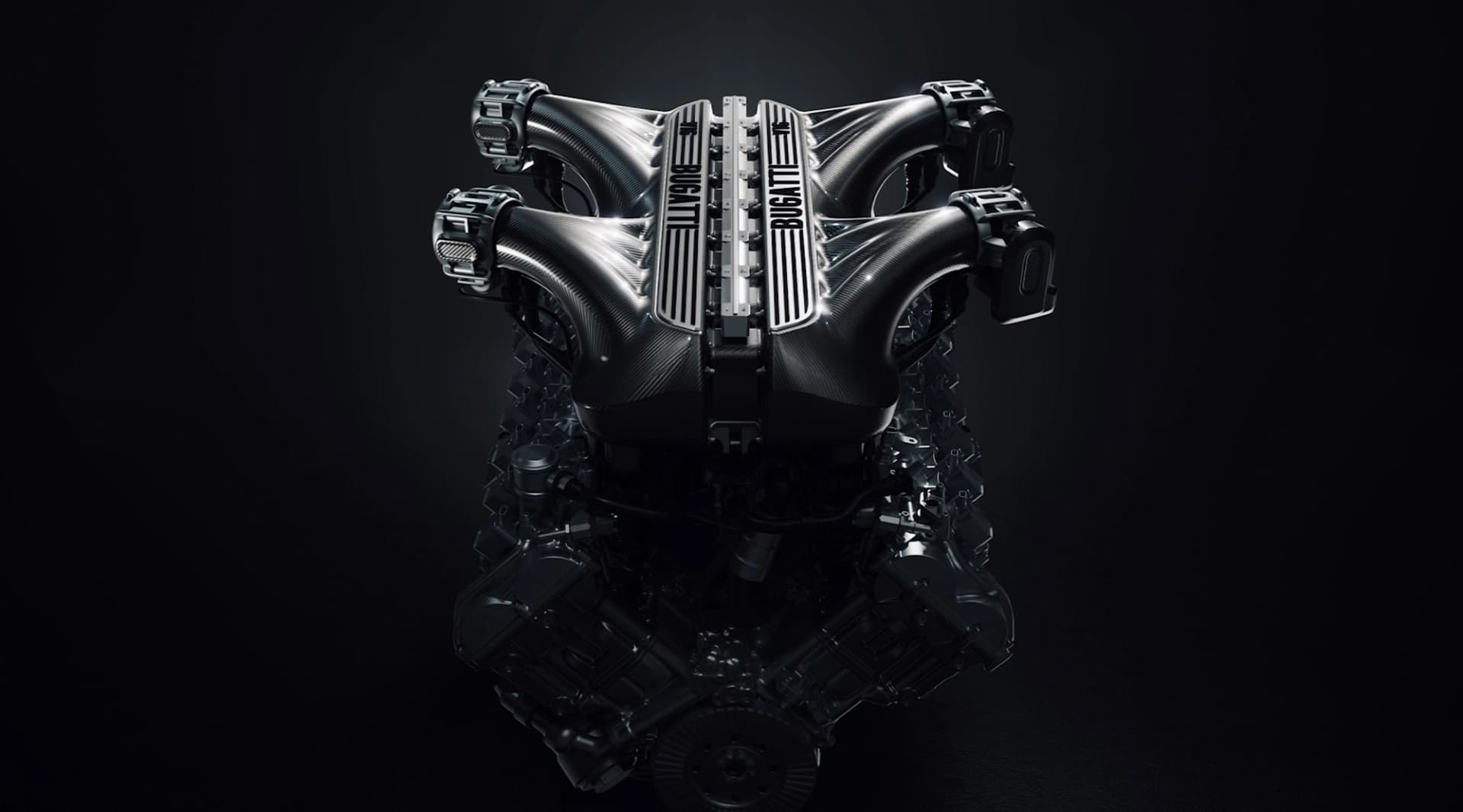
The Tourbillon combines an all-new platform, a naturally aspirated V16 engine, three electric motors and a hybrid powertrain producing 1,800 hp in total.
But at Bugatti level, raw output is never the full story. The real challenge is making that power feel precise, natural and usable. Especially when the surface offers almost no grip.
On dry asphalt, immense power can impress. On polished ice, it reveals everything. Throttle response, torque distribution, traction control, braking calibration, stability control and all-wheel-drive logic all have to work together instantly. If they do not, the car becomes either frightening or sterile.
Low-grip testing is where the invisible engineering happens
Bugatti’s winter programme focuses heavily on low-MU conditions, meaning surfaces with very low grip levels. That includes polished ice, packed snow, slush and asphalt, but also sudden transitions between them.
A car may begin braking on heated asphalt and then immediately move onto polished ice. The systems must recognise that grip has changed and react without delay, without drama and without making the car feel disconnected from the driver.
The visible part of the Tourbillon is the V16, the sculptural design, the mechanical theatre and the impossible performance figures. But the invisible part (ABS, ESC, torque vectoring, brake-by-wire, regenerative braking and traction management) is what makes the car believable.
The hybrid braking system is one of the hardest parts
Bugatti has to blend regenerative braking from the electric motors with hydraulic braking from the foundation brakes through a brake-by-wire system. The goal is to make the response feel natural, consistent and precise, even when the surface changes completely beneath the tyres.
In many EVs and hybrids, the transition between regenerative and hydraulic braking can feel artificial. In a normal car, that is annoying. In a 1,800 hp Bugatti, it would be unacceptable.
Comfort, Sport and Track: three Bugattis in one
Bugatti is also using winter testing to define how the Tourbillon behaves across its driving modes.
In Comfort mode, the car is calibrated for reassurance and stability. Even when the driver uses significant power in poor grip, the control systems keep the car composed and predictable.
In Sport mode, the car becomes more expressive. The balance shifts towards neutrality, the engine becomes more present and the driver can feel more of the surface beneath the car.
In Track mode, the dynamic envelope opens further. More torque is sent rearwards, more side slip is allowed and the car becomes more playful, while the all-wheel-drive system, ESC and traction control continue to manage the experience.
A modern Bugatti should not have one fixed personality. It should be able to feel calm, alive or dramatic depending on what the driver asks from it. But it must always feel expensive in the way it responds.
Winter testing is not about driving to a ski resort
Winter testing is not about convincing owners to take their 1,800 hp hypercar through a snowstorm. It is about validation. It is about proving that every system works at the edge of what the car might ever experience. It is about making sure that if conditions change, the car does not become confused.
This is the difference between a fast car and a complete car. Bugatti customers may never need the full depth of this testing. But the fact that the car has been developed this way is part of what they are buying. At this level, excellence is not optional. It is expected everywhere.
AutoNext Take
The Tourbillon could easily have been a numbers car. A Chiron successor with more power, more hybrid complexity and more drama. But Bugatti seems to be doing something more important: making sure the car feels complete.
Complete means the V16 is not just theatre. Complete means the electric motors are not just there for marketing. Complete means the brake-by-wire system feels natural. Complete means the car can be stable in Comfort, playful in Track and still unmistakably Bugatti everywhere in between.