BYD is now Paris Saint-Germain's car partner, and it says a lot about its European ambitions
Chinese EVs meet European football's biggest stage
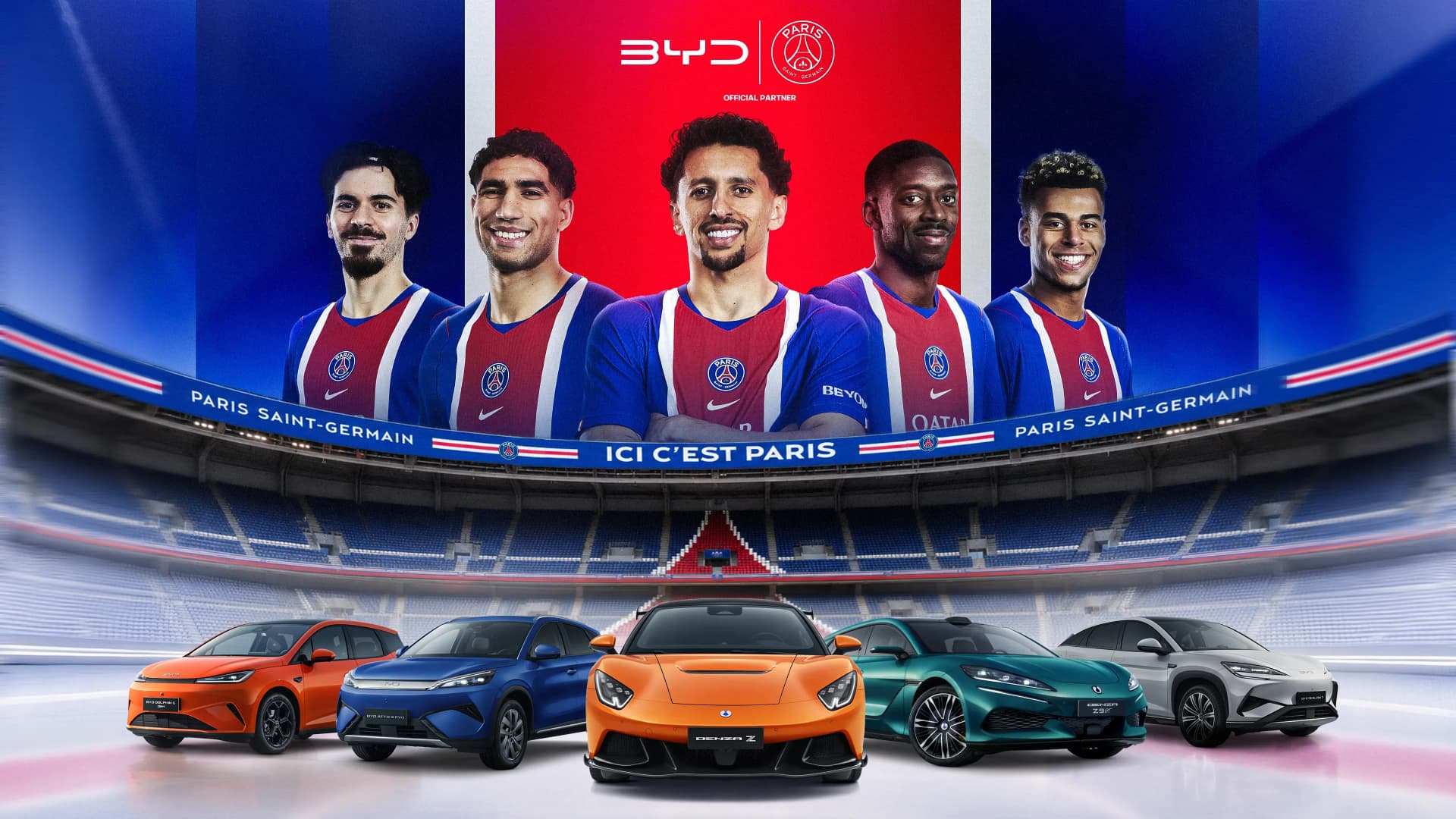
BYD's European charm offensive just moved onto the football pitch. The Chinese giant has become the Official Automotive Partner of Paris Saint-Germain in a three-year global deal, putting its cars and its logo in front of one of the most-watched clubs on the planet. For a brand still building name recognition in Europe, that is a serious statement.
What the deal covers
The agreement runs for three years, starting on 16 July 2026 and continuing through June 2029. BYD will supply a fleet of vehicles supporting the club's day-to-day operations, take prominent branding at the Parc des Princes, and feature in worldwide campaigns and exclusive content built around both the men's and women's teams. Fan-focused activations and immersive supporter experiences are part of the package too. Financial terms were not disclosed.
DENZA gets a seat at the table
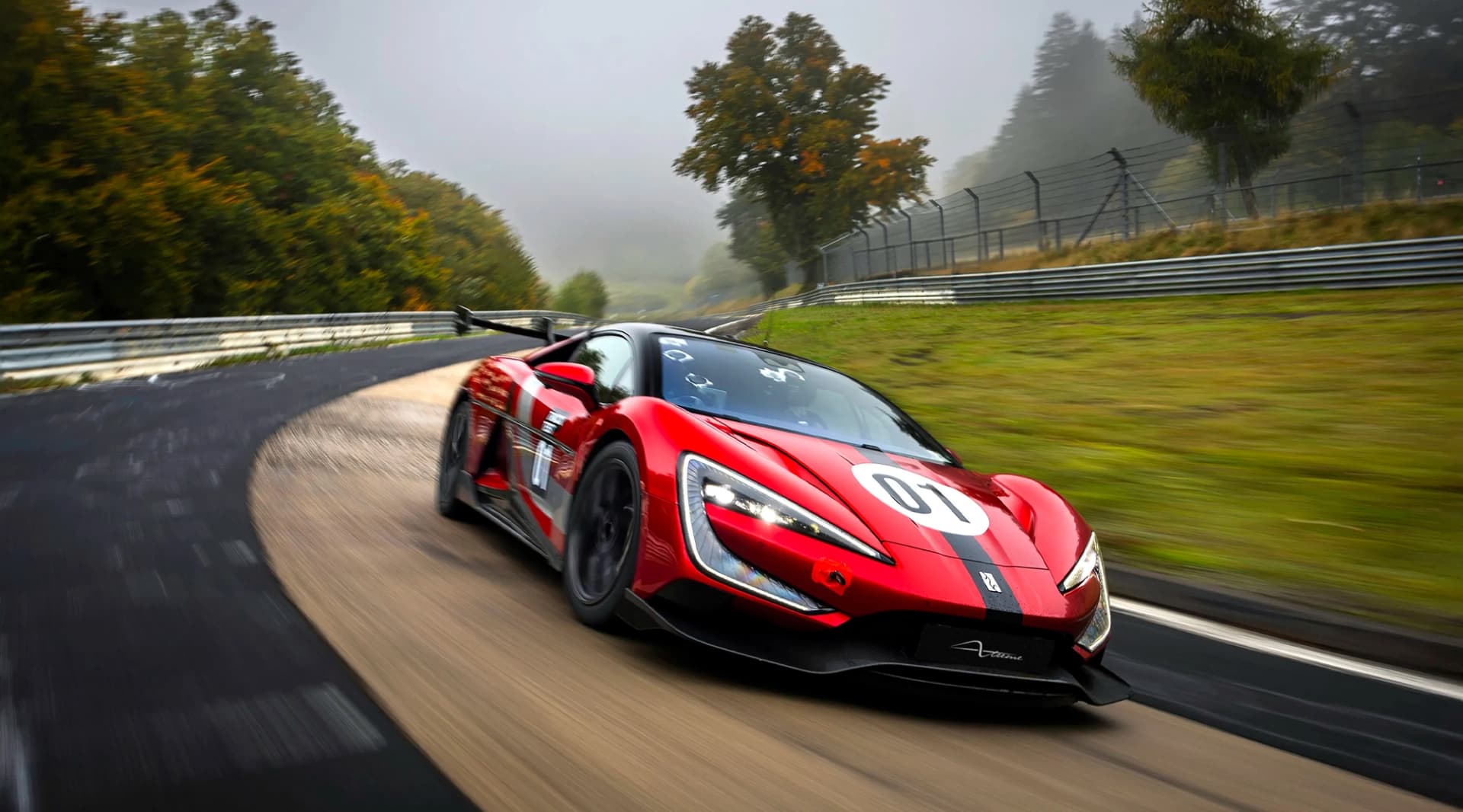
Notably, this is a BYD Group deal rather than a BYD-only one, so the premium DENZA brand is included alongside the mainstream badge, with both supplying cars to the club. That matters, because DENZA is the label BYD is using to push upmarket in Europe with cars like the Bao 5 off-roader and the wild Denza Z. Associating it with a club that trades on glamour and star power is exactly the kind of positioning a young premium brand needs.
What both sides say
BYD executive vice-president Stella Li described PSG as "a club that has become a global symbol of excellence, ambition and innovation." From the other side, PSG chief revenue officer Richard Heaselgrave said the club is "proud to welcome BYD to the Paris Saint-Germain family," calling the company "a natural partner" as one of the world's fastest-growing and most innovative businesses.
AutoNext Take
This is a smart, and slightly telling, move. BYD does not have a problem building good cars; it has a problem being a household name in Europe, where badge familiarity still sells. Buying into elite football, a sport watched by hundreds of millions across exactly the markets BYD is trying to crack, buys instant credibility and visibility that no amount of advertising can match. It is the same playbook Japanese and Korean brands ran decades ago, executed at speed.
It also underlines just how serious the European push has become, with BYD already cracking 2% of the Belgian market for the first time. Whether a stadium logo converts into showroom traffic is another question, but for a brand still introducing itself to European buyers, standing next to PSG is a very effective handshake.