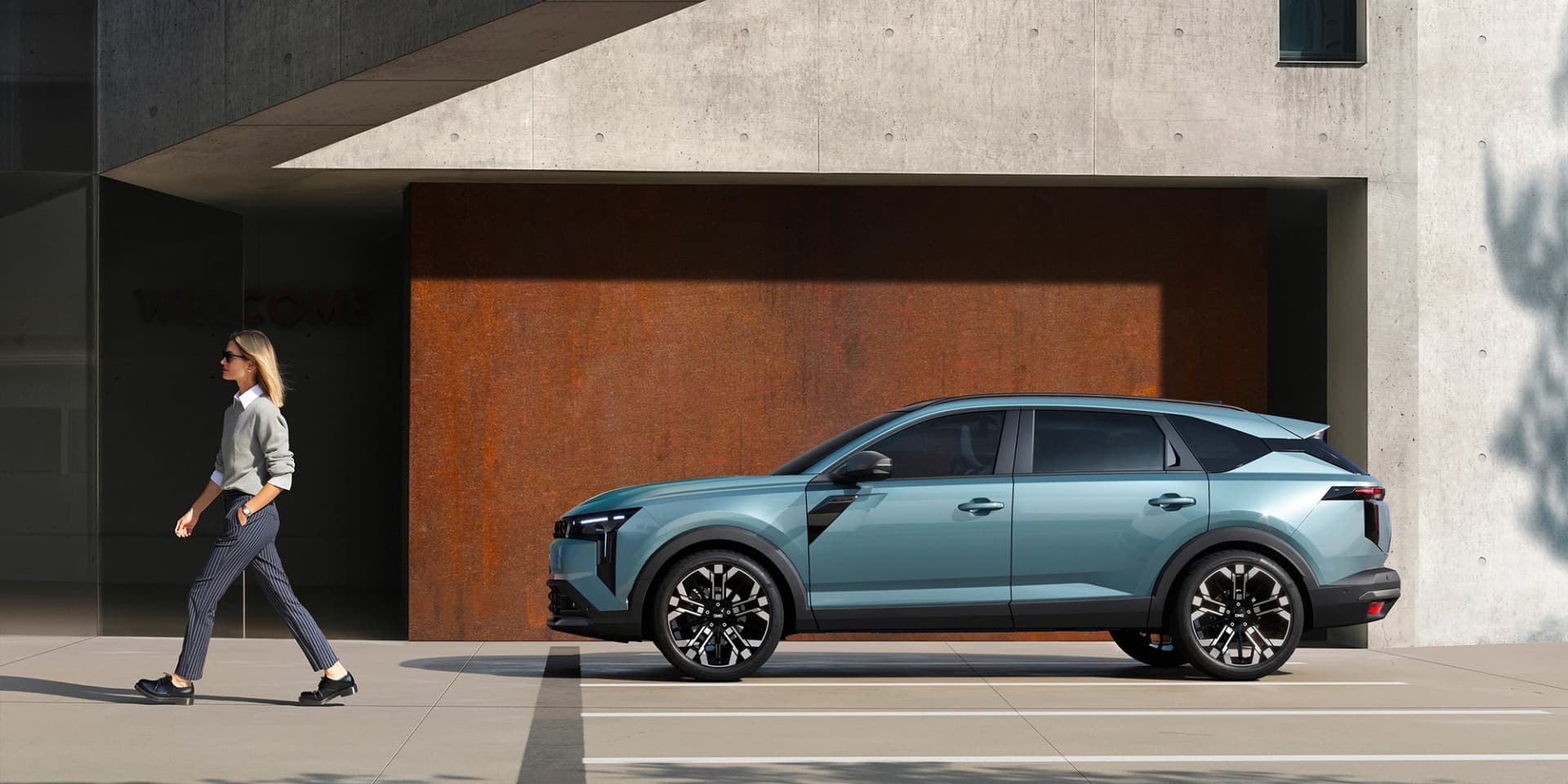
Dacia reveals its futuREady strategy: four EVs and the new Striker crossover
Dacia is preparing its roadmap toward 2030, outlining a clear vision for the future of affordable mobility in Europe.
The plan combines continued growth, electrification, and the launch of new models, including a completely new C-segment crossover called the Striker. Part of the Renault Group, Dacia has become one of Europe’s most surprising automotive success stories. Once known primarily for budget vehicles, the brand has evolved into the reference for pragmatic, robust and affordable cars.

A unique business model behind Dacia’s success
Dacia’s performance in recent years has been driven by a business model that is unusual in the modern automotive industry. Instead of chasing technology or luxury positioning, Dacia focuses on essential design, proven engineering and strict cost control. That philosophy reportedly provides the brand with a structural cost advantage of around 15 percent compared with competitors.
Combined with an optimized production network and a highly efficient distribution model, this approach allows Dacia to offer cars that deliver exceptional value for money.
The numbers confirm the success. More than 70% of Dacia owners remain loyal to the brand, while around 10% move within the Renault Group to Renault models, meaning 80% of customers stay within the group.
At the same time, Dacia continues to attract new buyers: roughly 65% of customers are first-time Dacia owners, often switching from other brands.
Record sales and a major milestone
The momentum behind the brand is reflected in its recent sales results. In 2025, several models played a key role in Dacia’s success:
the Dacia Sandero became Europe’s best-selling car across all sales channels for the second year in a row
the Dacia Duster ranked as the second best-selling SUV among private buyers in Europe
the Dacia Bigster quickly became the most popular C-segment SUV for private customers during the second half of the year
By the end of 2025, Dacia had reached another symbolic milestone: more than 10 million vehicles sold worldwide since the launch of the Logan in 2004. That milestone underlines how dramatically the brand has grown in just two decades.

Four electric models by 2030
Looking ahead, electrification will play a major role in Dacia’s strategy. The brand plans to launch four fully electric models before 2030, beginning with a new A-segment electric city car built on the RGEV Small platform from Renault Group.
The most striking detail: Dacia promises a starting price below €18,000, a figure that would make it one of the most affordable electric cars in Europe.
At the same time, electrification will gradually spread across the entire lineup through hybrid powertrains and electrified technologies. Today, roughly one in four Dacia vehicles sold is electrified, but that share is expected to grow to two-thirds of total sales in the coming years.
Striker: Dacia’s new C-segment crossover
The most intriguing preview in the futuREady announcement is the Dacia Striker. Positioned in the C-segment, the Striker aims to combine the practicality of a family sedan, the versatility of a wagon and the ground clearance of an SUV. At 4.62 meters long, it will sit alongside the Bigster as part of Dacia’s strategy to strengthen its presence in larger vehicle segments.
The design follows Dacia’s now recognizable rugged style, with a strong vertical front end, modern LED light signatures and a silhouette optimized for aerodynamics.
Powertrain options will include:
hybrid versions
hybrid 4x4 variants
LPG engines
With a projected starting price below €25,000, the Striker aims to bring electrified mobility within reach of both private buyers and fleet customers. The model will be fully unveiled in June 2026.
The next chapter for Sandero
Dacia also confirmed that the next generation of the Sandero will continue to evolve alongside the brand’s electrification strategy.
The model will offer a broader range of powertrains while maintaining the core promise that made it Europe’s best-selling car: an unbeatable price-to-value ratio. That philosophy remains the foundation of the brand.
AutoNext Take
Dacia’s strategy is fascinating because it challenges the direction of much of the automotive industry. While many manufacturers focus on luxury, software ecosystems and increasingly expensive electric vehicles, Dacia is pursuing the opposite approach: simpler cars that remain affordable while still embracing electrification.
Because if electric mobility is going to succeed across Europe, it will need brands that make it accessible to the mass market. And right now, Dacia may be better positioned than almost anyone to make that happen.
