Peugeot is handing Doriane Pin her first Hypercar test, and it is a real audition
A fastest lap and three hours in the lead at Le Mans got Doriane Pin noticed. December is where she has to back it up.
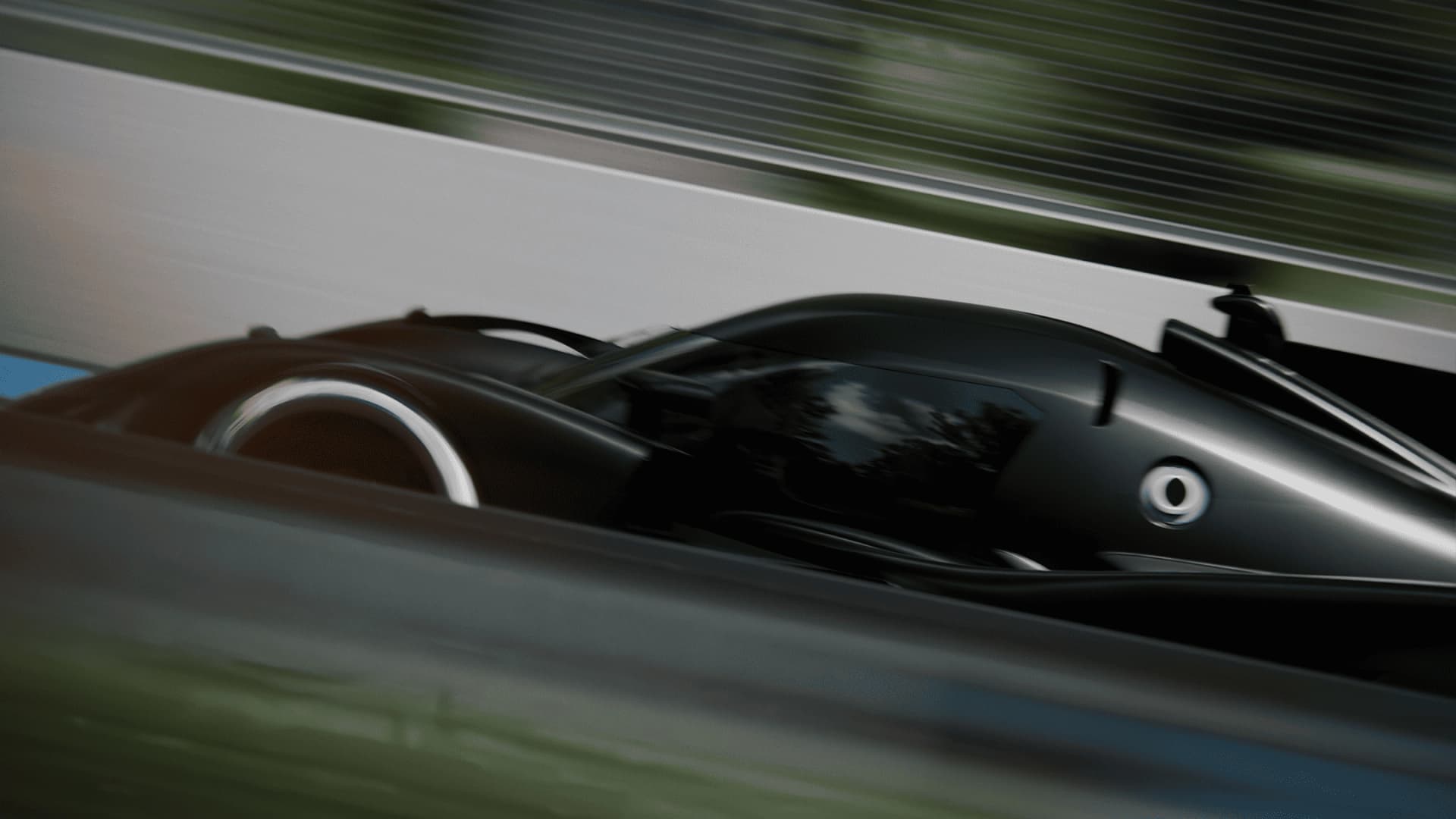
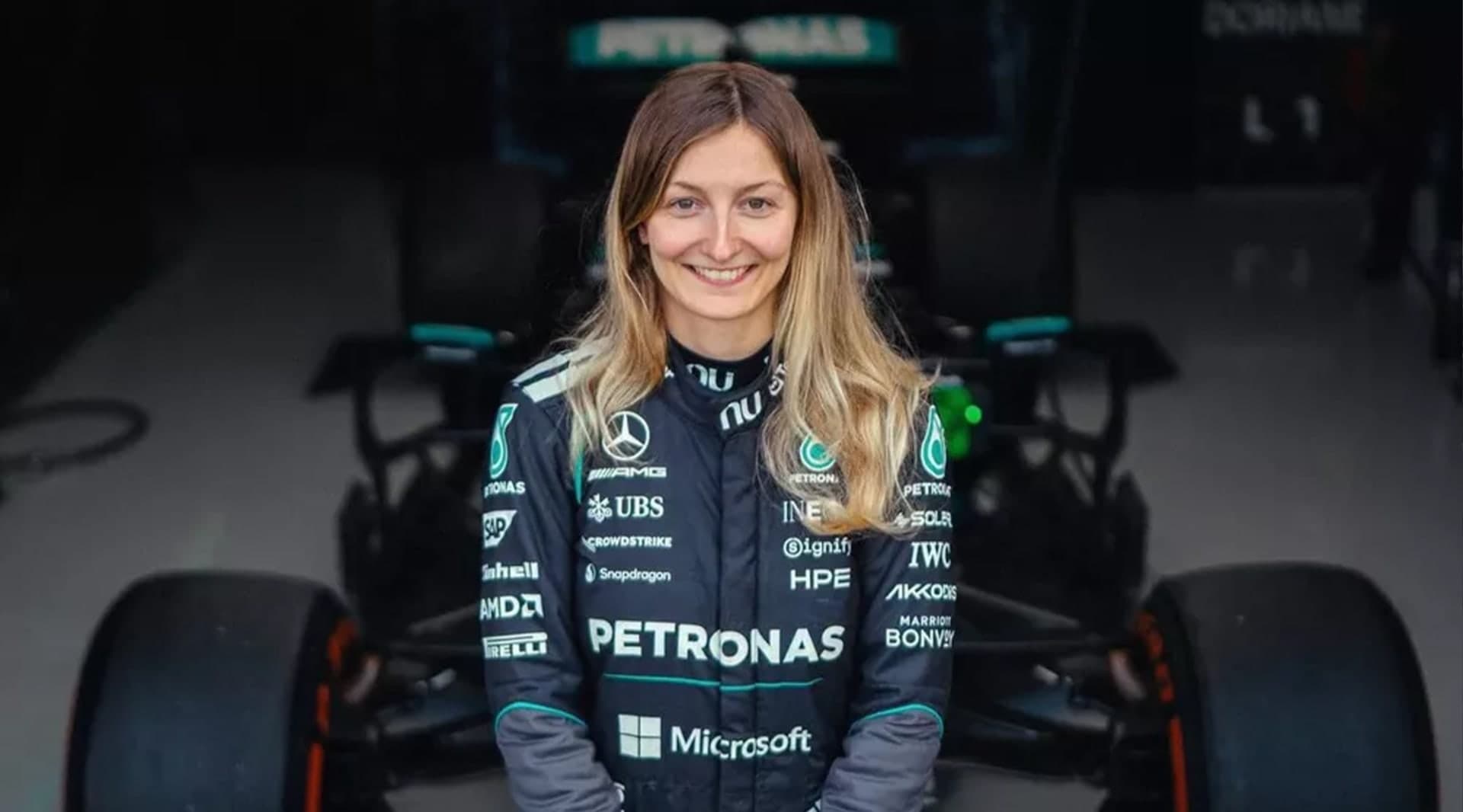
Doriane Pin is getting her shot at a Hypercar. The 22-year-old French driver, already the 2026 F1 Academy champion and a Peugeot TotalEnergies development driver, will drive the top-class Peugeot 9X8 for the first time in a private test on 2 December at Paul Ricard. It is a genuine evaluation rather than a photo opportunity, and how she performs could decide whether she steps up from development to reserve driver.
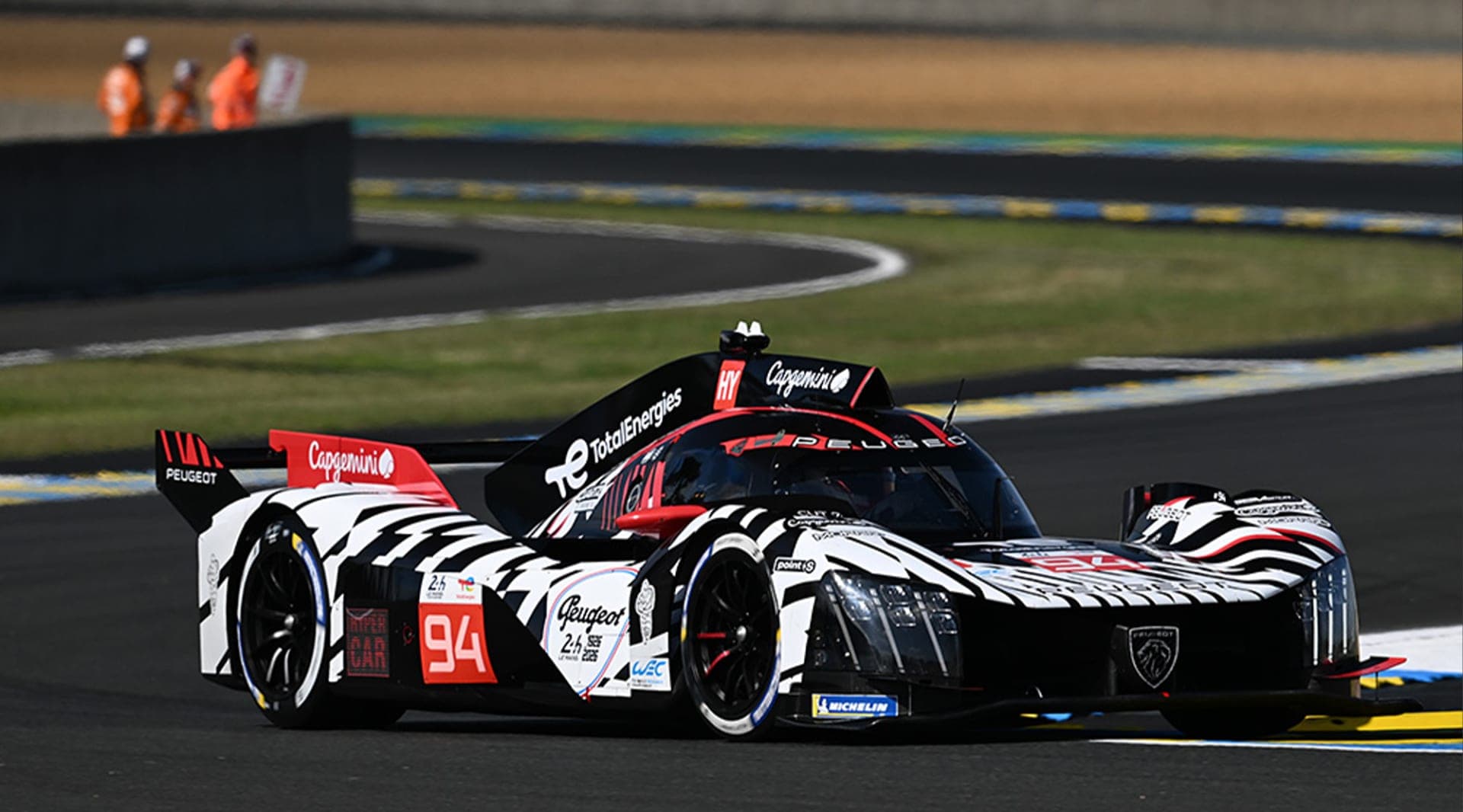
Why Peugeot is interested
Pin has earned the look. Racing LMP2 in the European Le Mans Series with Duqueine Team this year, she set the fastest LMP2 qualifying time at Le Mans in the session for Bronze and Silver-rated drivers, and then led the LMP2 race for three hours before a brake failure ended her run. She was comfortably quicker than the other Silver-rated drivers in the class, and combined with an F1 Academy title, that is the kind of season that makes a manufacturer curious about what comes next.
What the test is, and what it is not
Peugeot is being clear-eyed about the exercise. The December run will be her first drive of the 2026-specification 9X8, and the stated purpose is to assess whether she could be promoted to reserve-driver status, not to hand her a full-time seat for 2027. Team principal Emmanuel Esnault, the same man leading Peugeot's committed-for-2027 9X8 programme, has said the plan is a proper assessment, run with realistic ballast and weight, to see whether she could reliably stand in for the regular drivers when needed. That framing matters, because it means the test is designed to find the truth rather than flatter it.
The gap that still exists
The honest picture is that there is ground to make up. Analysis of her Le Mans race suggests that over her fastest 10 percent of laps she was around 1.3 seconds off the pace of a leading professional like Julien Andlauer, and LMP2's driver ratings and weight rules can make a strong Silver driver look closer to the front than raw speed alone would. A Hypercar is a significant step up in performance and expectation, so a test stripped of those advantages, with proper ballast, is exactly the right way to measure whether the underlying pace is really there.
Why it matters
This is a meaningful moment beyond one driver's career. A young woman getting a serious, structured evaluation for a top-class endurance seat, rather than a token run, says something about how the F1 Academy pathway is starting to connect to the sharp end of sportscar racing, at a time when the Hypercar class is booming and pulling in talent from every direction, from established stars like Laurens Vanthoor moving to McLaren to prospects like Pin knocking on the door. Whether or not she makes the step, the fact that the audition is real is the encouraging part.
AutoNext Take
The most impressive thing here is not the hype, it is the seriousness. Peugeot could easily have run Pin in a soft demonstration test and generated a wave of good publicity, and instead it is putting her in the car with realistic ballast to find out what she can actually do. That is how you develop a driver properly, and it is far more respectful of her ability than a staged headline would have been.
The gap to the professionals is real, and nobody should pretend a strong LMP2 season guarantees Hypercar pace, because it does not. But Pin has done everything asked of her so far, an F1 Academy title and a genuinely quick Le Mans until the brakes let her down, and she has earned the chance to be measured against a higher bar. December will give a clear answer, and that is exactly as it should be. If she delivers, Peugeot will have found something valuable. If she does not, she will still be 22, with the test experience and the trajectory to try again. Either way, this is the sport doing right by a talent, and that is worth applauding.