Peugeot is not walking away from Le Mans, it is doubling down for 2027
The most radical Hypercar keeps evolving instead of quitting
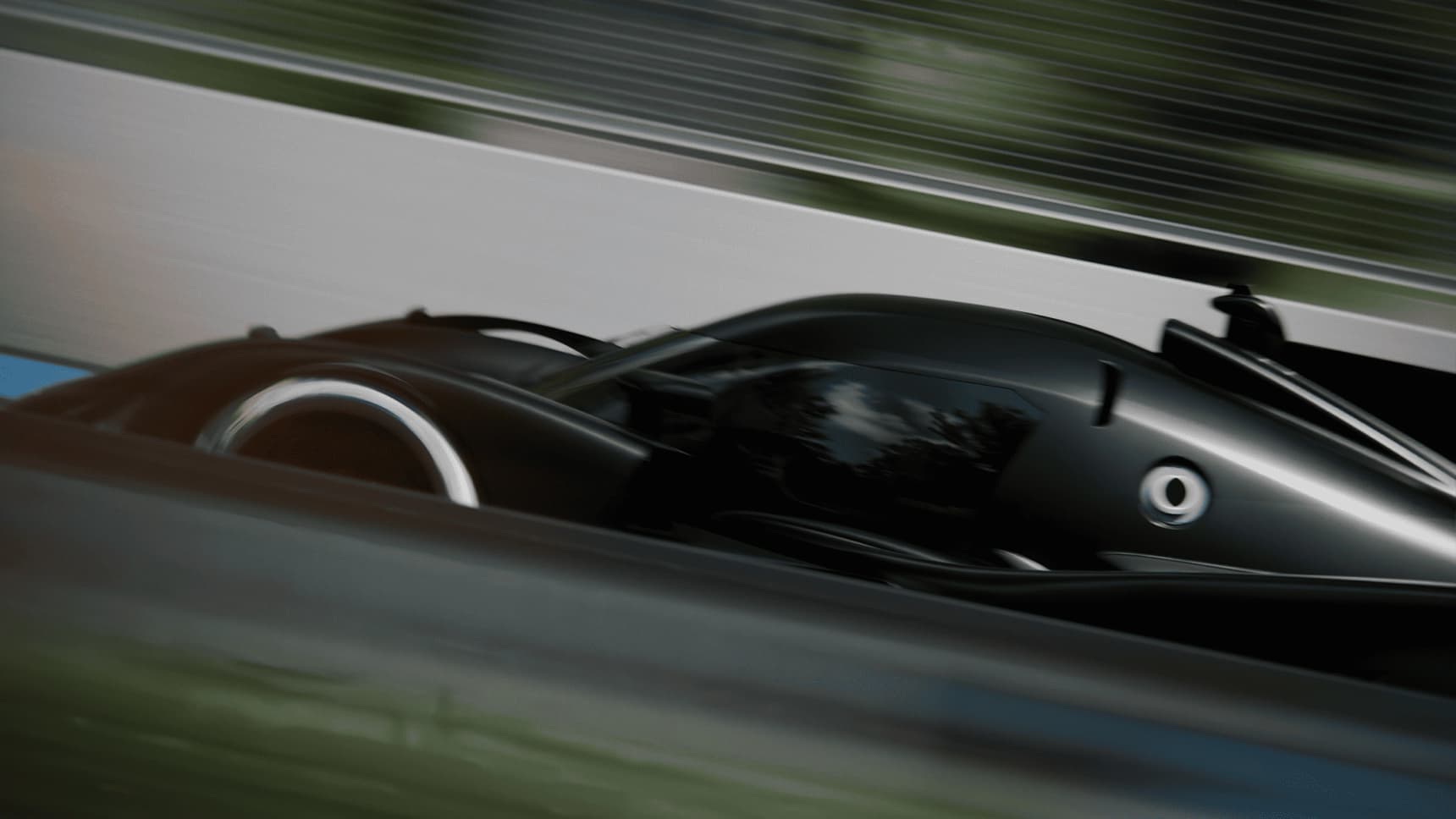
Peugeot's 9X8 has had a hard time of it. The most visually daring car in the WEC Hypercar class has spent its career chasing a consistency it rarely found, and there were fair questions about how long Peugeot would keep at it. The answer, confirmed this week, is that it is staying, and preparing a fresh wave of changes for 2027 rather than heading for the exit.
What Peugeot confirmed
Team Peugeot TotalEnergies says the 9X8 is entering its next development phase, with a revised approach to performance, efficiency and design aligned to the 2027 season, and that it is working toward regulatory approval for those evolutions. The release is deliberately light on specifics, but the headline is unmistakable: this is a commitment to continue, not a graceful goodbye. In a class where manufacturers have been known to leave quickly, that alone is the news.
What the team says
"Our objective is clear: to position the 9X8 consistently among the top contenders," said team principal Emmanuel Esnault. The wording matters. Consistency, not outright pace, is the word, because pace has never been the 9X8's core problem. Stringing together strong results at every kind of circuit, rather than flashes at a few, is exactly what has eluded it.
Why the car needed rethinking
The 9X8 launched as the boldest idea on the grid: no rear wing, and equal-width tyres front and rear, a genuine break from everything around it. It did not work well enough. In 2024 Peugeot abandoned the concept, adding a rear wing, switching to the class-standard narrower front and wider rear tyres, revising around 90 percent of the bodywork and shifting weight rearward. That change also let the team rework the 2.6-litre twin-turbo V6 and its gearbox for reliability. The 2027 evolutions are the next step down that more conventional road.
The company it keeps
Standing still is not an option, because the Hypercar class is deeper than it has ever been. Ferrari, Toyota and Porsche are all winning races, and the grid keeps gaining serious newcomers, from McLaren to Genesis. The 2027 regulations give every manufacturer a reset point, and Peugeot is clearly treating that date as its best chance to finally convert an ambitious project into consistent results.
AutoNext Take
It is easy to root for the 9X8, because it dared to be different in a paddock full of similar silhouettes, and there is something admirable in Peugeot sticking with a hard project rather than cutting the budget and blaming the rules. The uncomfortable truth is that the car has been at its most competitive since it became more conventional, which suggests the original wingless vision was the romantic mistake and persistence is the pragmatic correction. If the 2027 evolutions finally deliver the consistency Esnault keeps asking for, this quiet decision to stay will look far smarter than any dramatic reinvention would have.