The EU is now going after Chinese plug-in hybrids, not just EVs
Chinese brands found a side door into Europe, and Brussels is closing it
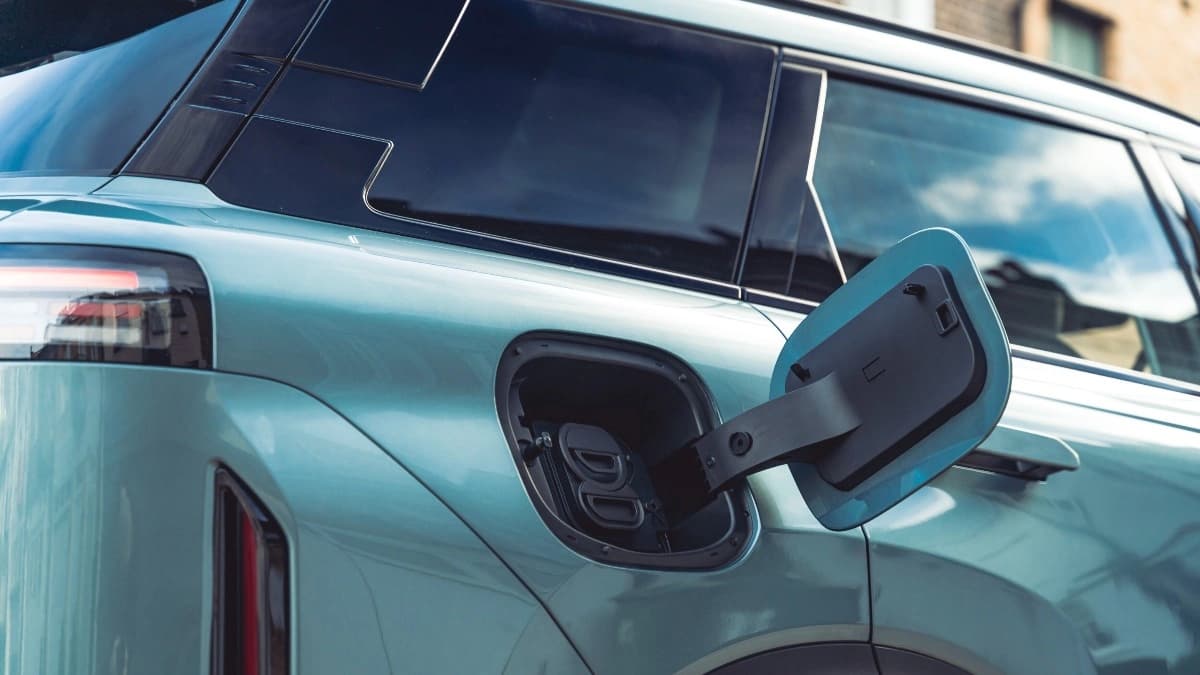
The EU's trade fight with China's car industry is widening. After hitting Chinese electric cars with tariffs in 2024, Brussels is now preparing duties on Chinese plug-in hybrids, closing the gap that let brands like BYD keep growing in Europe while sidestepping the heaviest charges. For European buyers eyeing an affordable Chinese PHEV, it could mean higher prices ahead.
What is being prepared
According to German newspaper Handelsblatt, the European Commission is readying countervailing duties on Chinese plug-in hybrids, with an anti-subsidy investigation already underway. The stated aim is to offset the market-distorting effects of Chinese state subsidies. Reporting suggested EU member states could weigh in at a summit in the days that followed, though the outcome was not yet known.
The loophole that made this happen
The context is everything here. Since the end of October 2024, the EU has applied additional tariffs to Chinese battery-electric cars, taking BYD to a total of 27 percent, Geely to 28.8 percent and SAIC, which owns MG, all the way to 45.3 percent. Plug-in hybrids, however, were left out and still face only the standard 10 percent import tariff. Chinese manufacturers responded exactly as you would expect, shifting their export mix towards PHEVs to avoid the bigger duties.
And it worked, spectacularly
The strategy paid off. BYD became Germany's best-selling plug-in hybrid brand in May 2026, with 4,290 registrations, a remarkable result for a brand that barely existed in the market a few years ago. That kind of growth is exactly what has prompted Brussels to act. Notably, as recently as January 2026 the Commission had denied any intention of tariffing Chinese hybrids, making this a clear reversal of position. Brands including BYD, Chery and SAIC are in the firing line.
AutoNext Take
This was always coming. The moment the EU tariffed electric cars but left plug-in hybrids alone, it drew a map straight to the side door, and Chinese brands walked through it in record numbers. Closing the gap is logical if you accept the original tariff policy at all. The uncomfortable truth for European drivers is that we are the ones who pay for it: these duties exist to protect domestic industry, but they also strip away the cheap, well-equipped PHEVs that were starting to give buyers real choice. Whether that protection ultimately makes European carmakers more competitive, or simply more expensive, is the question that matters, and we do not have the answer yet.