The FIA has lifted all restrictions on Russian and Belarusian competitors
One of motorsport's most contested rules has quietly been reversed
In March 2022, days after Russia invaded Ukraine, the FIA moved fast: Russian and Belarusian competitors could keep racing, but only under a neutral flag and only after signing a commitment to peace and neutrality. More than three years later, that stance has been fully unwound. The governing body of world motorsport has removed the restrictions entirely, and this time the reversal goes further than simply letting drivers back in.
What the FIA actually decided
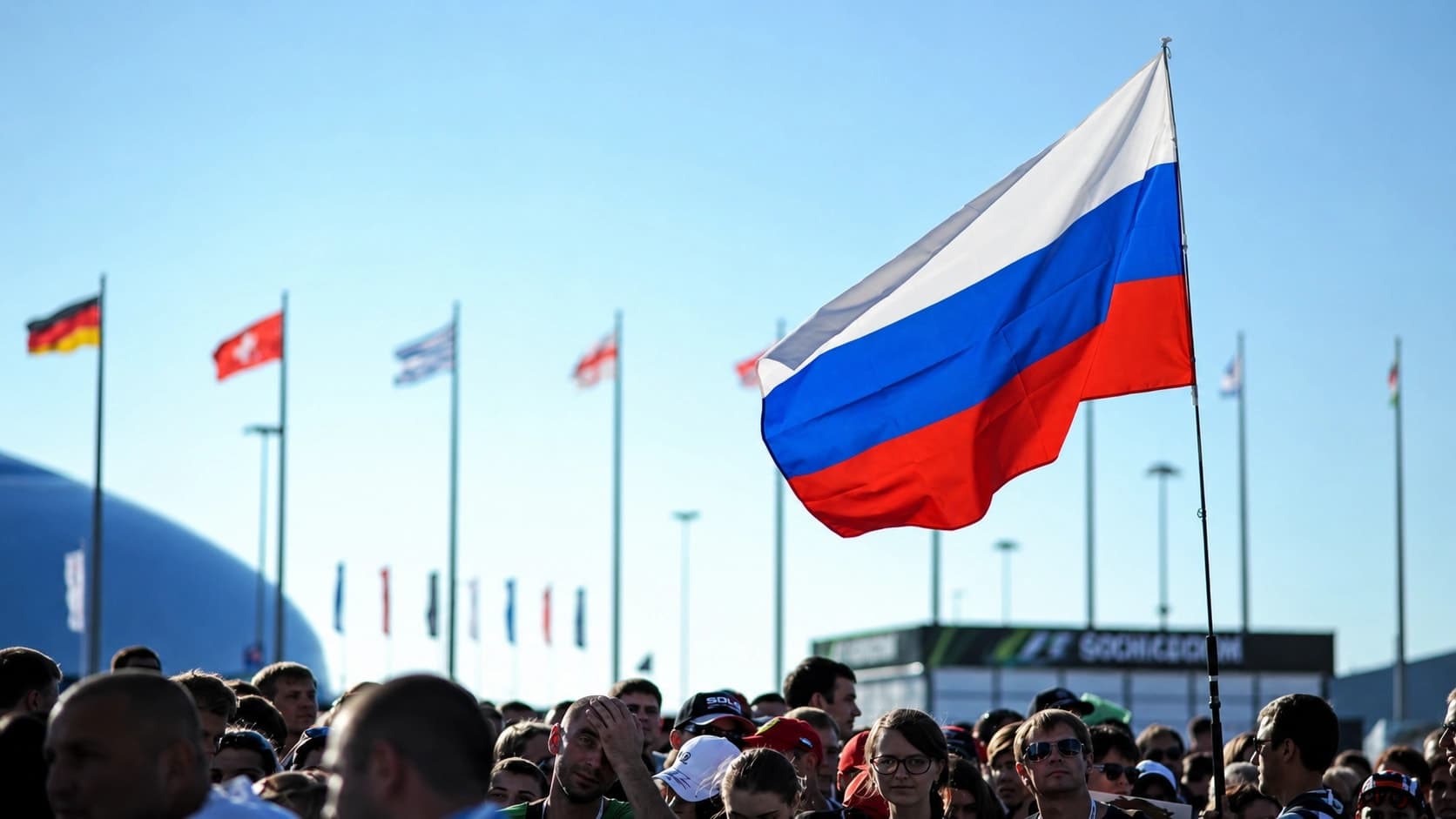
The decision was ratified by the World Motor Sport Council on 3 August 2026 and communicated by the FIA's legal office on 13 August. In its own words, Russian and Belarusian drivers, national teams, individual competitors and officials are now allowed to take part in international competition without any restrictions. The neutrality commitment is gone, and crucially, so is the ban on national symbols: flags, colours and anthems are permitted once again. It applies across all FIA-sanctioned categories, from single-seaters to rallying.
What has not changed
One restriction remains: international competitions still cannot be staged on Russian or Belarusian territory until further notice. The FIA also stated that it continues to monitor events in Ukraine closely and reserves the right to reintroduce measures if needed, including to comply with any applicable sanctions. In other words, the door is open, but the governing body has left itself room to close it again.
A split with the rest of the sport
The move puts the FIA out of step with some of its peers. The FIM, which governs world motorcycle racing, has kept its restrictions on Russian and Belarusian competitors in place, so the two biggest bodies in motorsport now sit on opposite sides of the question. It also sits uneasily against the more cautious neutral-athlete approach that has shaped much of international sport since 2022. For a subject this sensitive, a clean and unconditional reversal is a notably bold position to take.
AutoNext Take
There is a principled case for this, and the FIA will lean on it: sport should not punish individuals for the actions of their governments, and a neutral flag was always an awkward halfway house. Plenty of athletes caught up in the 2022 measures had no say in the war and have spent years competing under conditions they did not create. Restoring their right to race on equal terms is defensible on its own merits, and consistency in the rulebook matters.
The harder question is the symbolism, and it is why this decision will not pass quietly. There is a real difference between quietly letting individuals compete and actively welcoming back flags and anthems while the war in Ukraine continues, and doing so ahead of other governing bodies invites the charge that motorsport has moved first and thought about it later. The FIA has kept an emergency brake by reserving the right to reverse course, which rather concedes that the situation on the ground has not fundamentally changed. Expect this to be debated far beyond the paddock, because it is a sporting call with unavoidably political weight.