How to reduce fuel consumption: smarter driving in a changing automotive world
Fuel consumption is no longer just about cost.
In a world moving rapidly towards electrification, improving fuel efficiency in combustion cars might seem like a temporary concern. But in reality, it’s one of the most immediate ways drivers can reduce both their expenses and environmental impact today. And the truth is simple: most drivers are wasting more fuel than they think.
The biggest mistake: using your car when you don’t need it
Before even talking about driving techniques, there’s a more fundamental question: Do you actually need to drive?
Short trips (especially under 2–3 km) are where fuel consumption is at its worst. Engines don’t reach optimal efficiency, and the energy used per kilometre spikes dramatically.
Walking, cycling or even combining trips into one journey can already reduce your fuel usage significantly without changing anything about your car itself. This is the most overlooked “hack” and also the most effective.
Smooth driving is the real key to efficiency
If there is one principle that defines fuel-efficient driving, it’s this: avoid unnecessary energy loss. Every time you accelerate hard, brake aggressively, or constantly change speed, you are literally burning fuel for nothing.
A steady driving style: anticipating traffic, keeping distance, and maintaining a constant speed, can reduce fuel consumption by up to 20%.
It’s not about driving slower. It’s about driving smarter. Cruise control on highways, gradual acceleration, and “reading the road ahead” all play a crucial role.
Speed matters more than you think
Most drivers underestimate how quickly fuel consumption increases with speed. The relationship isn’t linear, it’s exponential.
Driving at 120 km/h instead of 100 km/h can increase fuel consumption by around 20%, while saving only a couple of minutes on most journeys.
The sweet spot for efficiency? Between 50 and 90 km/h Above that, air resistance becomes your biggest enemy.
Your car might be wasting fuel without you knowing
Even if you drive perfectly, a poorly maintained car can undo everything. An engine that isn’t properly serviced can increase fuel consumption by up to 50%.
Low tyre pressure alone can reduce efficiency by up to 10%. And extra weight? Every additional 50 kg increases fuel consumption by around 2%. These are invisible factors but they have a massive impact.
Small habits, big impact
Fuel efficiency is often decided by small daily habits:
Idling your engine while waiting
Driving with unnecessary weight in the boot
Using air conditioning excessively in traffic
Leaving roof racks mounted when not needed
Individually, they seem insignificant. Combined, they can easily increase your fuel consumption by 10–20%.
The role of technology: feedback changes behaviour
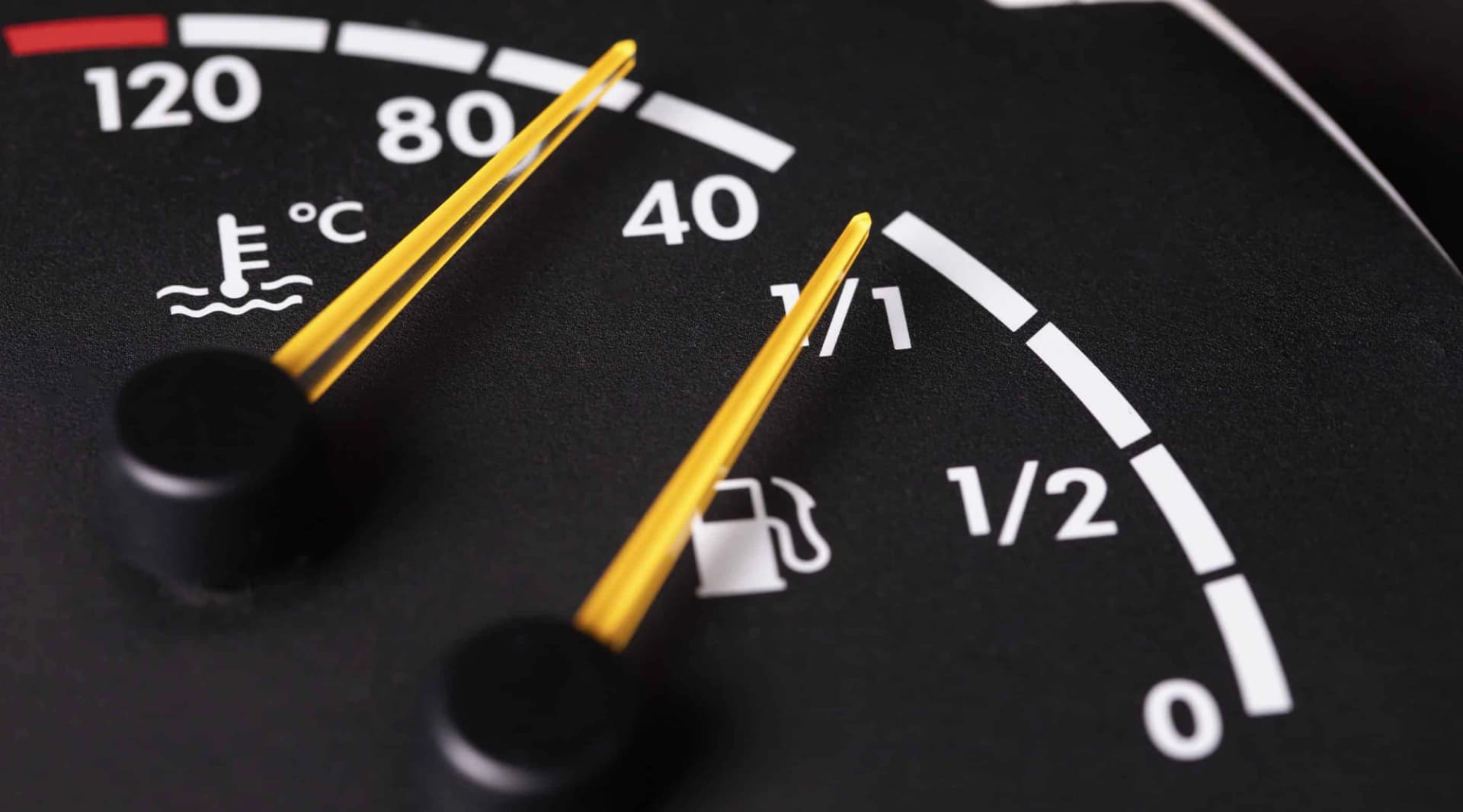
Modern cars increasingly help drivers become more efficient. Fuel consumption displays, eco-driving modes, and driving analytics give real-time feedback and that changes behaviour.
Studies show that drivers who actively monitor their consumption can reduce fuel usage by up to 15%. This is where traditional driving meets modern technology.
AutoNext Take
Here’s the bigger picture. While the industry is rapidly shifting towards electric vehicles, the reality is that millions of combustion cars will remain on the road for years.
Driving efficiently today is no longer just about saving money. It’s about awareness. About understanding energy, whether it’s petrol, diesel or electricity.
And that’s exactly the mindset that will define the next generation of drivers. Because whether you drive a combustion car or an EV… Efficiency is the new performance.