Lamborghini's new Temerario Polizia is really a 920 hp organ courier
Italy has been running supercars as ambulances since September 2004
Every few years a photograph of a Lamborghini in Polizia blue goes around the internet and gets filed under national stereotype. It is not that. The Italian State Police has been taking delivery of Lamborghinis for twenty-two years, the cars carry human organs down the motorway network, and on 4 September a Temerario joined them. The interesting part is what the fleet has actually done in that time.
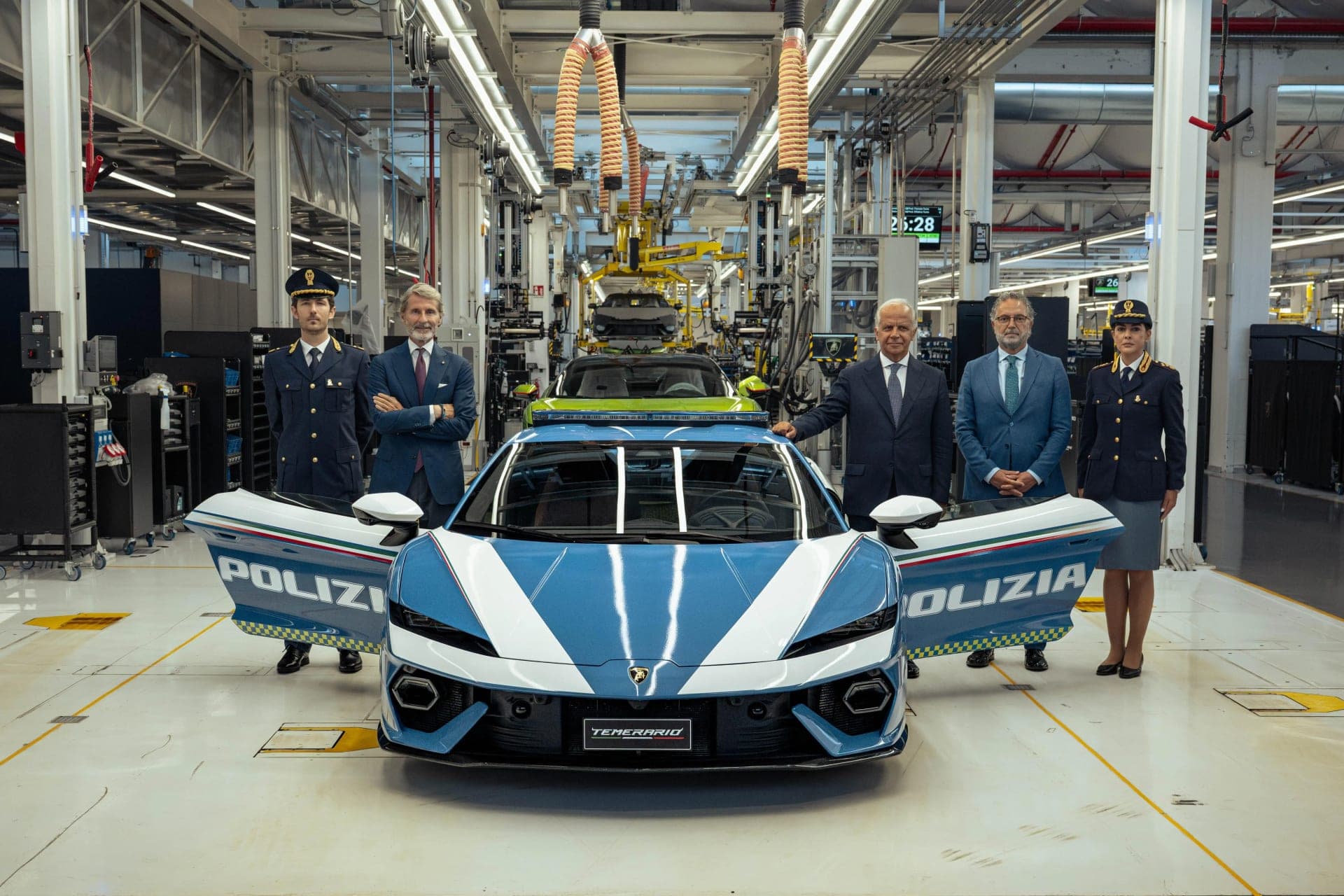
Stephan Winkelmann handed it over with interior minister Matteo Piantedosi present
The presentation took place at Lamborghini's Sant'Agata Bolognese headquarters on 4 September. Interior Minister Matteo Piantedosi was received by chairman and chief executive Stephan Winkelmann and the company's board, and Prefect Renato Cortese, central director of the traffic, railway and special units police, attended for police chief Vittorio Pisani. The same event launched a book, I motori della Polizia, written by the force's communications office and published by Giunti Editore and Giorgio Nada Editore.
Six cars, 200 organ missions and 1,500 road safety events
Those are three separate numbers and they are worth keeping separate. Lamborghini says six vehicles have entered the State Police fleet in more than twenty years, that they have taken part in over two hundred organ transport missions across Italy, and that they have appeared at more than 1,500 road safety education events. Several write-ups of this announcement have merged the last two into a single figure of 1,500 deployments. That is not what the company said, and the difference matters: two hundred missions across six cars and twenty-two years is roughly nine runs a year for the entire fleet.
The line runs Gallardo, Gallardo LP 560-4, Huracán, then Urus Performante
The first Gallardo arrived in 2004 and carried out its first organ transport in September of that year. A Gallardo LP 560-4 followed, then the Huracán, which was stationed along the country's main motorway arteries, and a Urus Performante has been in service since 2023. None of them is being retired for the Temerario. The new car joins a fleet rather than replacing it, which is unusual for a police vehicle and tells you these are not counted as ordinary patrol assets.
920 hp from a 4.0 twin-turbo V8 and three electric motors
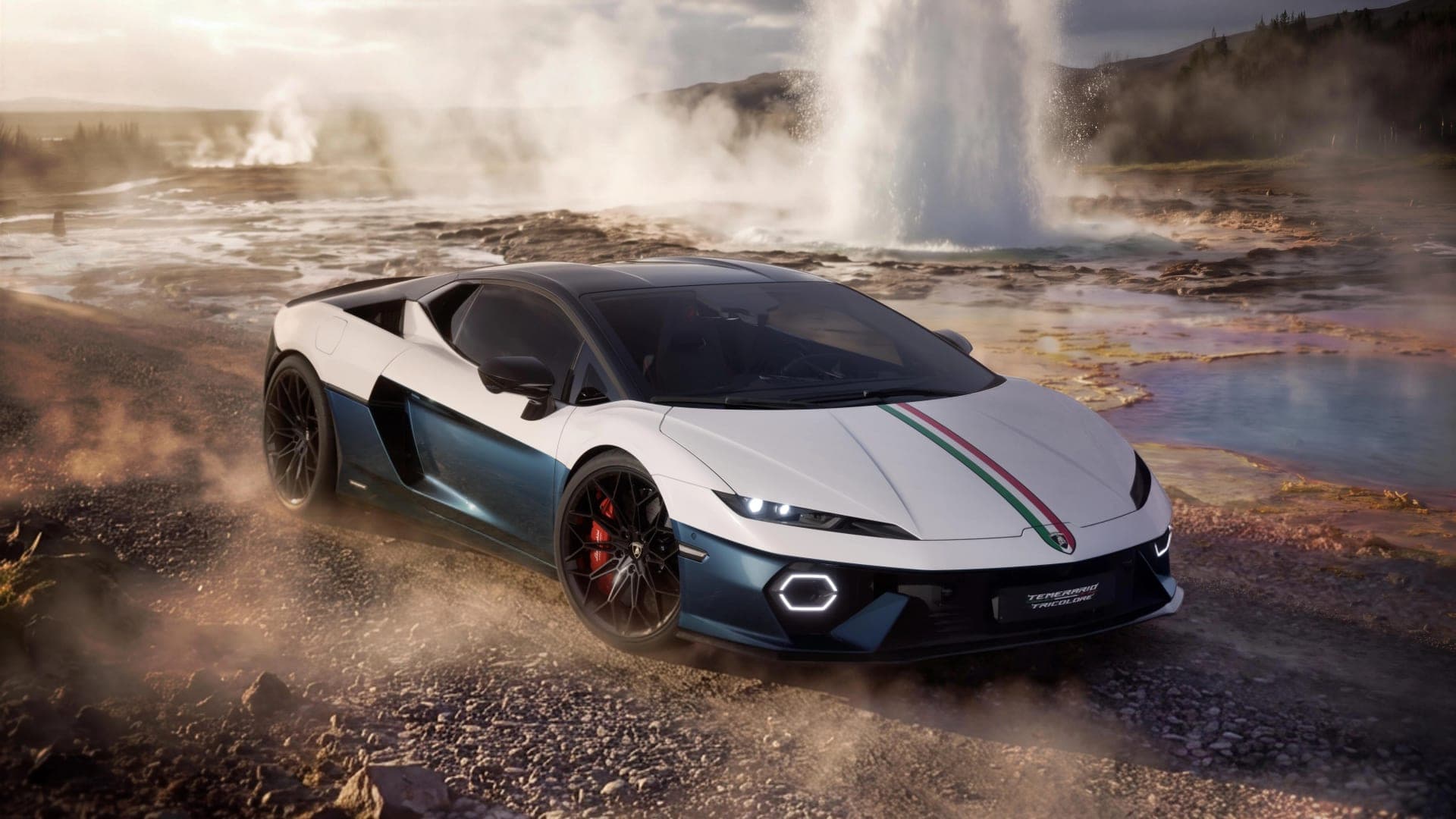
The Temerario Polizia uses the road car's powertrain: a new 4.0-litre twin-turbo V8 paired with three electric motors for 920 hp. Lamborghini has not described any bespoke medical hardware for it, and the refrigerated compartment often mentioned in coverage of the older cars does not appear in this announcement, so treat it as unconfirmed for the Temerario. What is confirmed is the livery treatment, the same Polizia blue and striping the brand has been applying since the Gallardo, and which it revisited commercially last month with the Tricolore specification.
Poland bought 100 BMW M340is, Italy accepted one Lamborghini
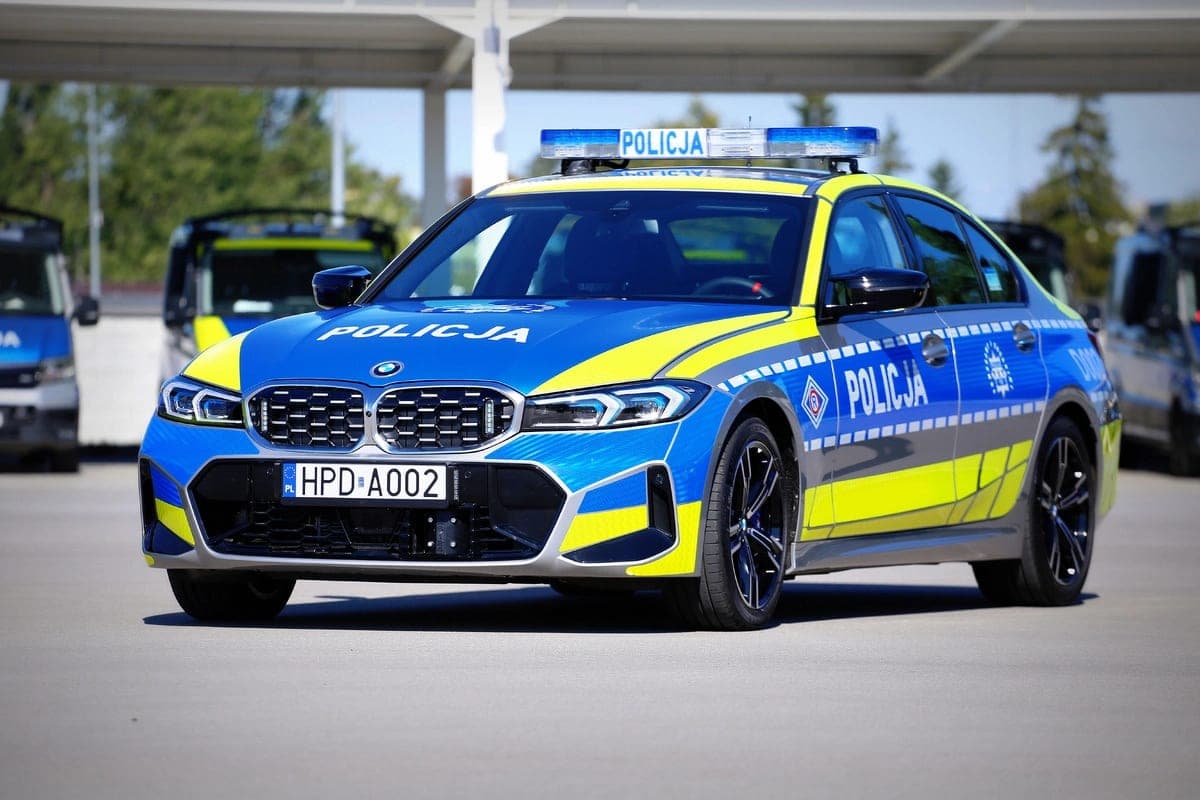
Fast police cars usually exist to catch people. Poland's force is taking 100 BMW M340i saloons funded with 10.3 million euros of EU money specifically to run down speeders, and British forces spend more of their supercar time seizing them from drivers than driving them. The Italian arrangement inverts that. The Lamborghinis have never been enforcement vehicles, they are a donated logistics and public-engagement asset, and they cost the taxpayer nothing to buy.
AutoNext Take
The arithmetic deserves saying out loud, because nobody in the ceremony did. Around nine organ runs a year across an entire fleet is a rounding error next to Italy's transplant programme, while 1,500 road safety events is a serious workload. On the numbers Lamborghini itself published, the classroom and the open day are where these cars spend most of their working lives, and the medical missions are the rare, spectacular exception. That does not make the programme cynical. It makes it a communications partnership with a genuine emergency clause attached, and both halves are better understood when you are honest about which one is bigger.
The Temerario is also the first of these cars that has to prove something technical. Its predecessors were naturally aspirated V10s that could hold a high average speed for hundreds of kilometres without a thought about state of charge. A plug-in hybrid asked to do the same thing at maximum effort, at unpredictable notice, is a different engineering proposition to one doing demonstration laps. If this car is still logging organ missions in 2029, Lamborghini will have demonstrated something about hybrid durability that no press release can. If it turns up mainly at school visits, that will be its own answer.