Land Rover's road-legal Defender Dakar is more powerful than the car that won the Dakar
Road versions of race cars are usually the race car softened. Land Rover just did the opposite.
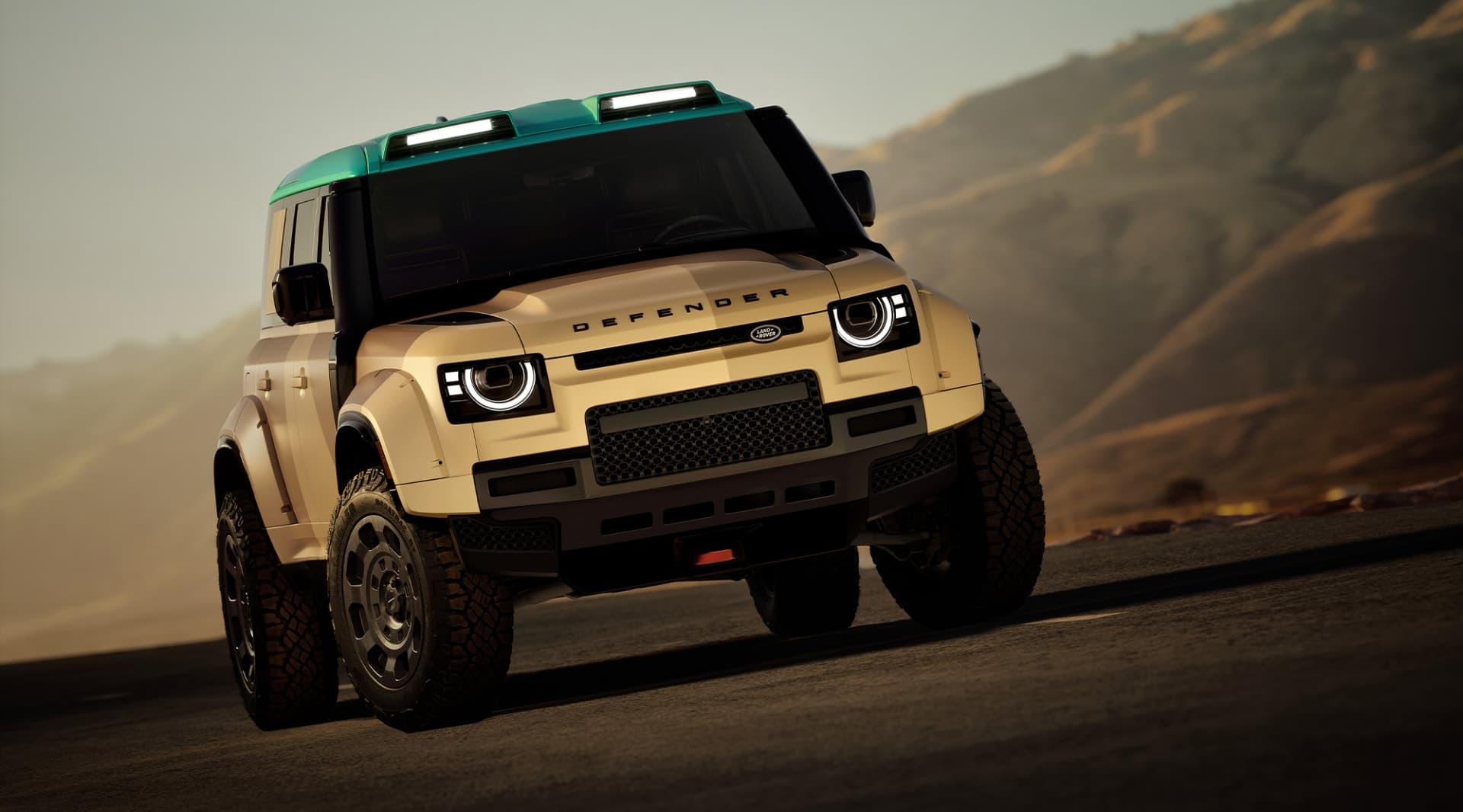
Almost every road-legal tribute to a competition car is a compromise: the racer is detuned, quietened and made civil enough to register. The new Land Rover Defender Dakar, revealed as a design preview at The Quail during Monterey Car Week, breaks that pattern in the most satisfying way. It is a road-going evolution of the D7X-R that won the 2026 Dakar Rally on its very first attempt, and rather than winding the winner down for the street, Land Rover has wound it up. Because of how the rally is regulated, this road car is more powerful than the machine that actually won the race.
What Land Rover has built
The Defender Dakar keeps the body architecture, transmission and driveline of the D7X-R competition car, all of which were themselves derived from the road-going Defender OCTA. That circle, road car to race car and back to road car, is unusually tight. At its heart is a 4.4-litre twin-turbo V8 producing 635 hp and 750 Nm, driving forged 20-inch alloys wrapped in 35-inch all-terrain tyres, on coil suspension with motorsport-grade Bilstein dampers and new Dunes, Gravel and Flight drive modes lifted straight from competition. It wears carbon-fibre raised air intakes and bonnet, roof-mounted light pods, extended arches with exposed rivets and a fixed metal roof, finished in a Dakar Sand body with a Yanbu Turquoise roof echoing the rally cars. Inside are 2+2 race seats, optional four-point harnesses and stowage for helmets and a spare wheel. Reservations open in early 2027, with production numbers and price to be confirmed at the 2027 Dakar Rally in Saudi Arabia; Land Rover has disclosed neither yet.
The road car outguns the winner
Here is the detail that makes this more than another rugged special edition. The D7X-R won the Dakar in the Stock class, taking first, second and fourth on its debut and running one-two-three on ten of the rally's thirteen stages across some 24,000 km. But Stock-class rules cap engine output through air restrictors, which means the car that dominated the world's hardest race did so with the handbrake partly on. The Defender Dakar is described as unrestricted from race specification, so its 635 hp is more than the winning car was ever allowed to make. You are not buying a watered-down replica of a champion. You are buying the version of that champion the rulebook never permitted to exist, which is a genuinely rare thing to be able to say about a road car.
A rebuke to the fast-SUV playbook
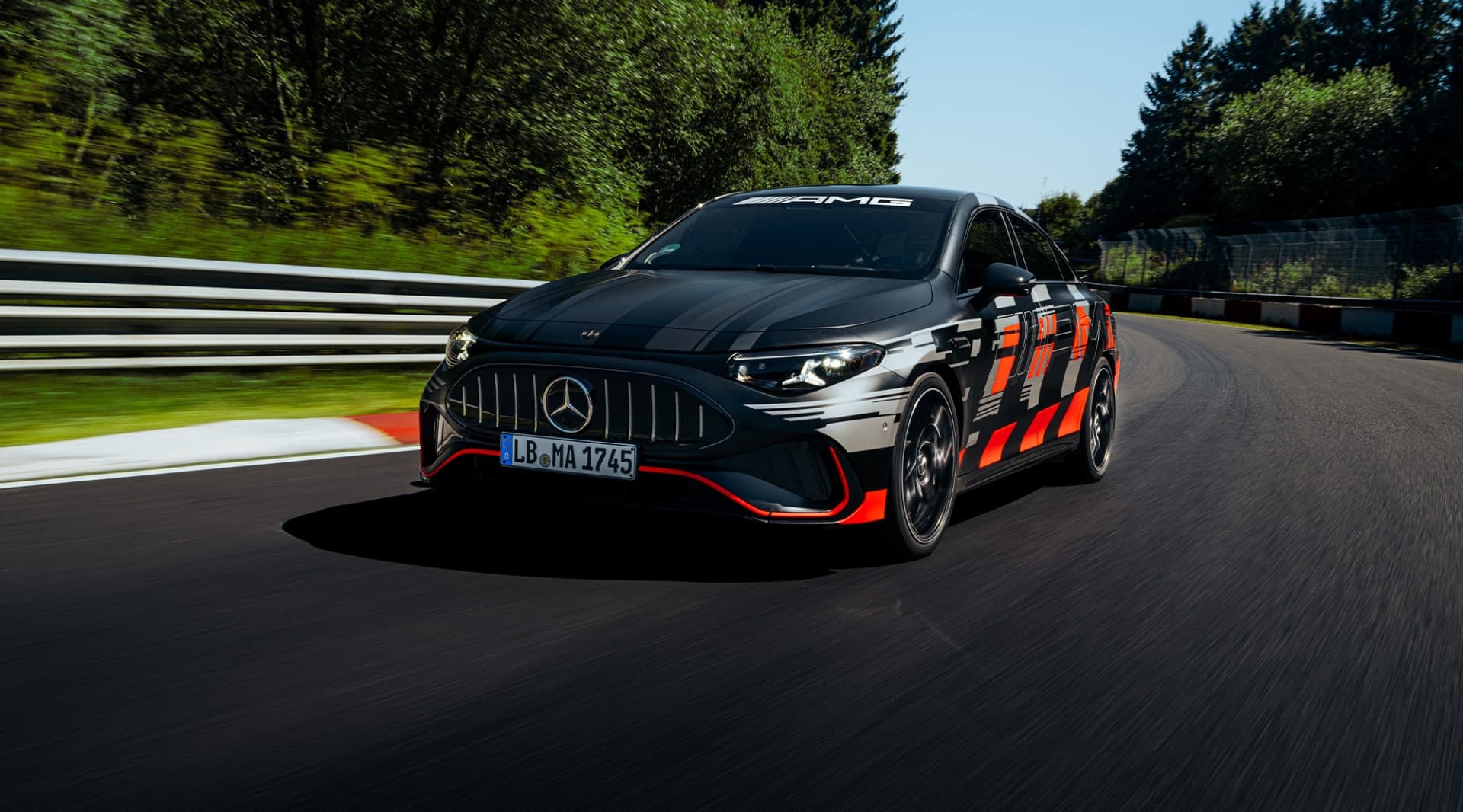
It also lands as a quiet argument about what a performance SUV should even be. The genre as we know it, the SUVs chasing lap records and headline top speeds, has largely made its cars quick by making them less like SUVs: lower, stiffer, tarmac-biased, judged on a hot lap of a German circuit like every road car aiming at the Nurburgring. The Defender Dakar goes the other way entirely. It is fast in the environment SUVs were actually invented for, raised and long-travel on 35-inch tyres, and its proving ground was not one perfect lap but 24,000 km of open desert. It is, in the nicest sense, the anti-Urus: a high-performance off-roader that got quick by becoming more of a Defender, not less.
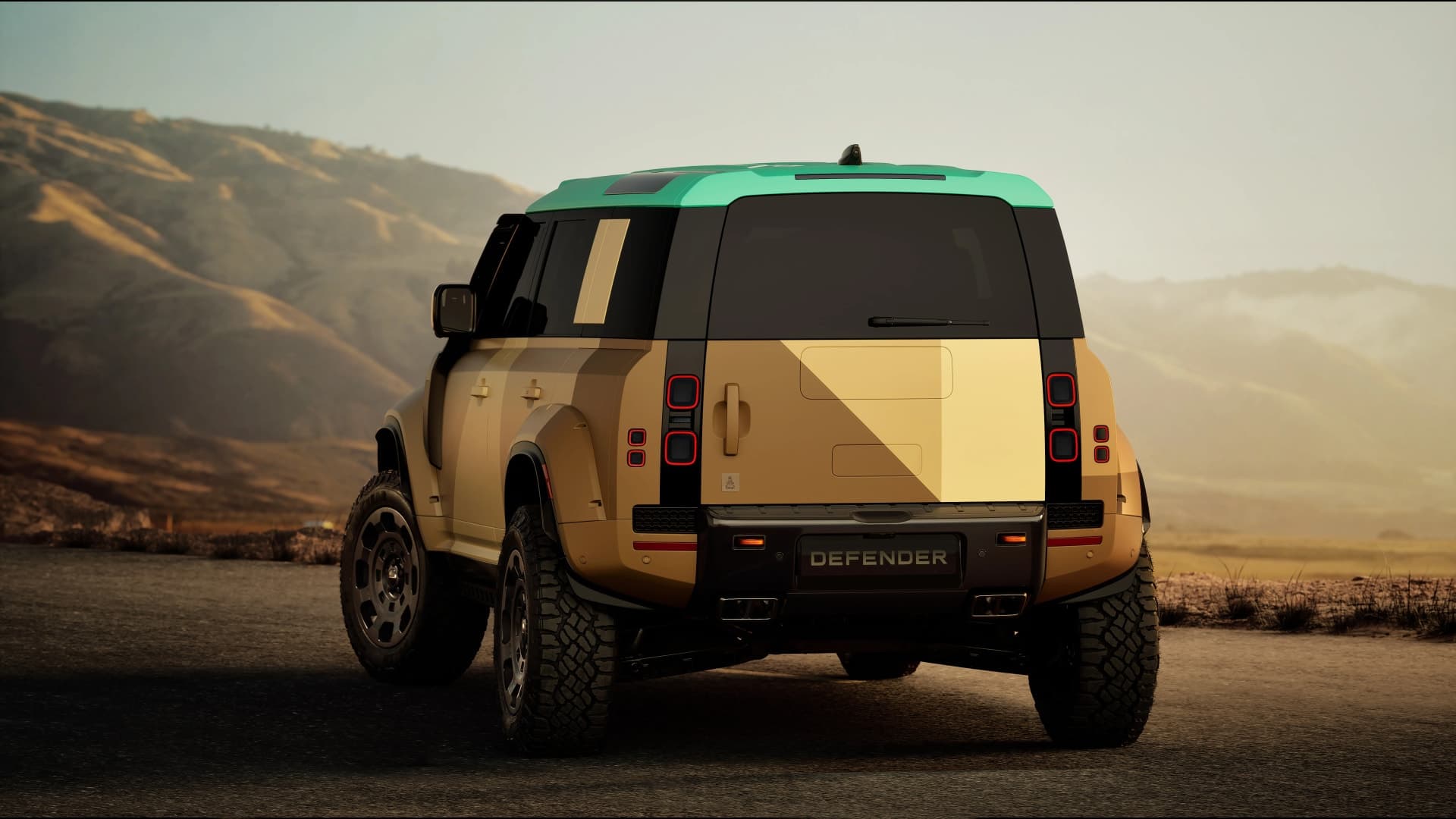
Defender is quietly becoming a performance brand
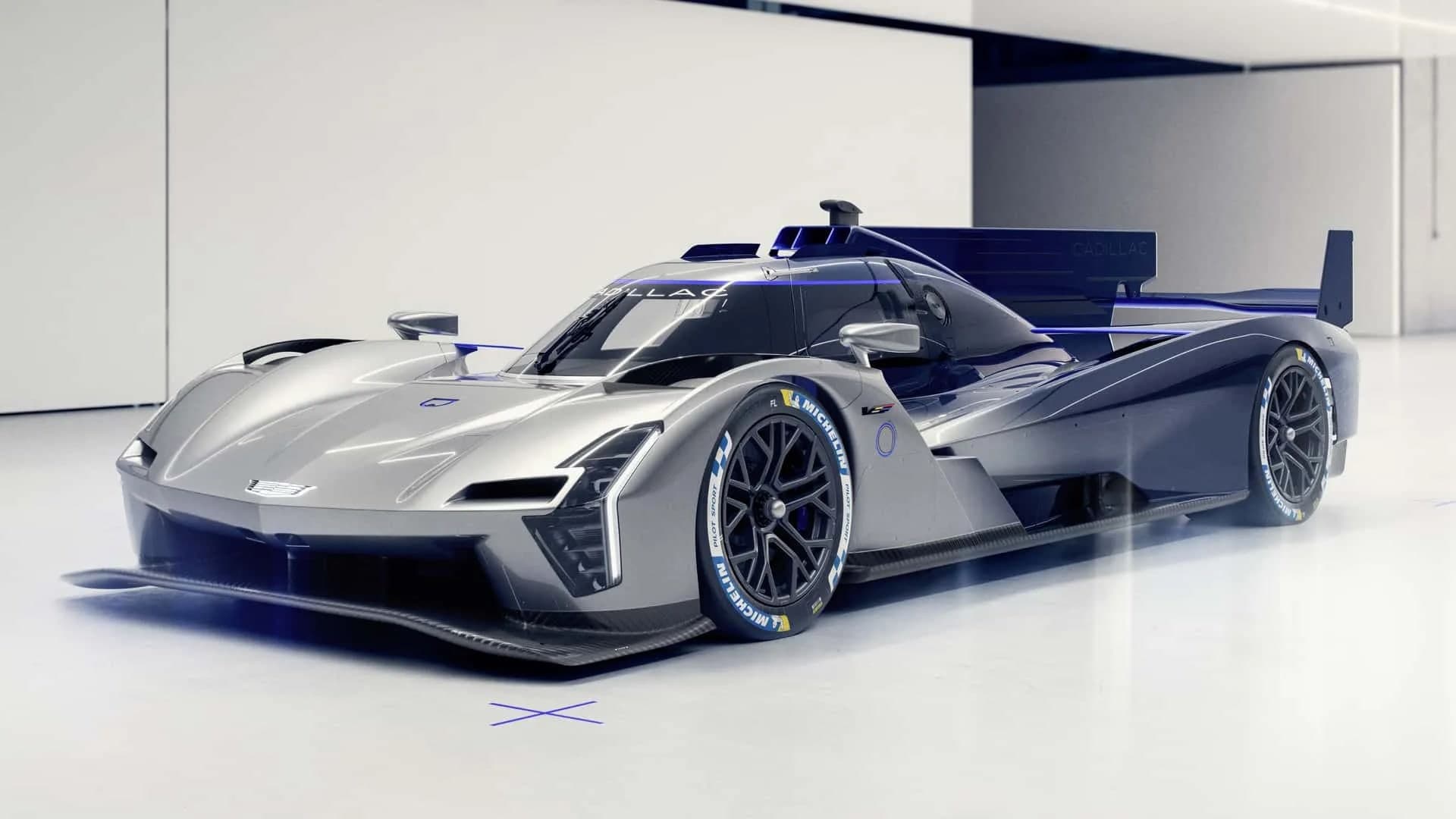
Sitting above even the OCTA, the Dakar signals what Land Rover wants Defender to become: not a lifestyle 4x4 with a badge, but a performance marque with real, hard-won competition credentials, the same trajectory that let Cadillac turn Le Mans results into a road-car halo and Lamborghini bank credibility from a first race win. Winning the Dakar on debut is exactly the kind of receipt that earns a brand the right to build a car like this. It is worth staying clear-eyed: the price and numbers are undisclosed, it will be a limited collector piece, and most examples will spend their lives looking capable rather than proving it. But unlike a lot of hardcore-looking machines, the hardware here has already done the hardest job there is.
AutoNext Take
The clever thing about the Defender Dakar is not the light pods or the sand-and-turquoise paint, lovely as they are. It is the inversion at the centre of it: a road car that is genuinely better than the race car it celebrates, because the race car was deliberately held back by the rules it won under. That is the opposite of the usual homologation story, where you always sense you are getting the diluted version. Here the diluted version is the one that won the Dakar, and the full-strength one is the car you can actually buy.
Beyond the neat trick, it is a pointed reminder of what the Defender is for. While much of the industry keeps redefining performance as a lower ride height and a quicker lap of a circuit, Land Rover has planted its flag on the terrain nobody else races on and dared rivals to follow. Whether many owners ever point one at a dune barely matters. The Defender Dakar exists to prove that the most convincing kind of fast SUV is not the one that behaves like a sports car on tarmac, but the one that just won the toughest race on earth, and then handed you the keys to a more powerful version of it.