The electric Defender is delayed, and 110,000 buyers a year are why
Land Rover has a genuine hit on its hands, and that turns out to be the best reason not to touch it

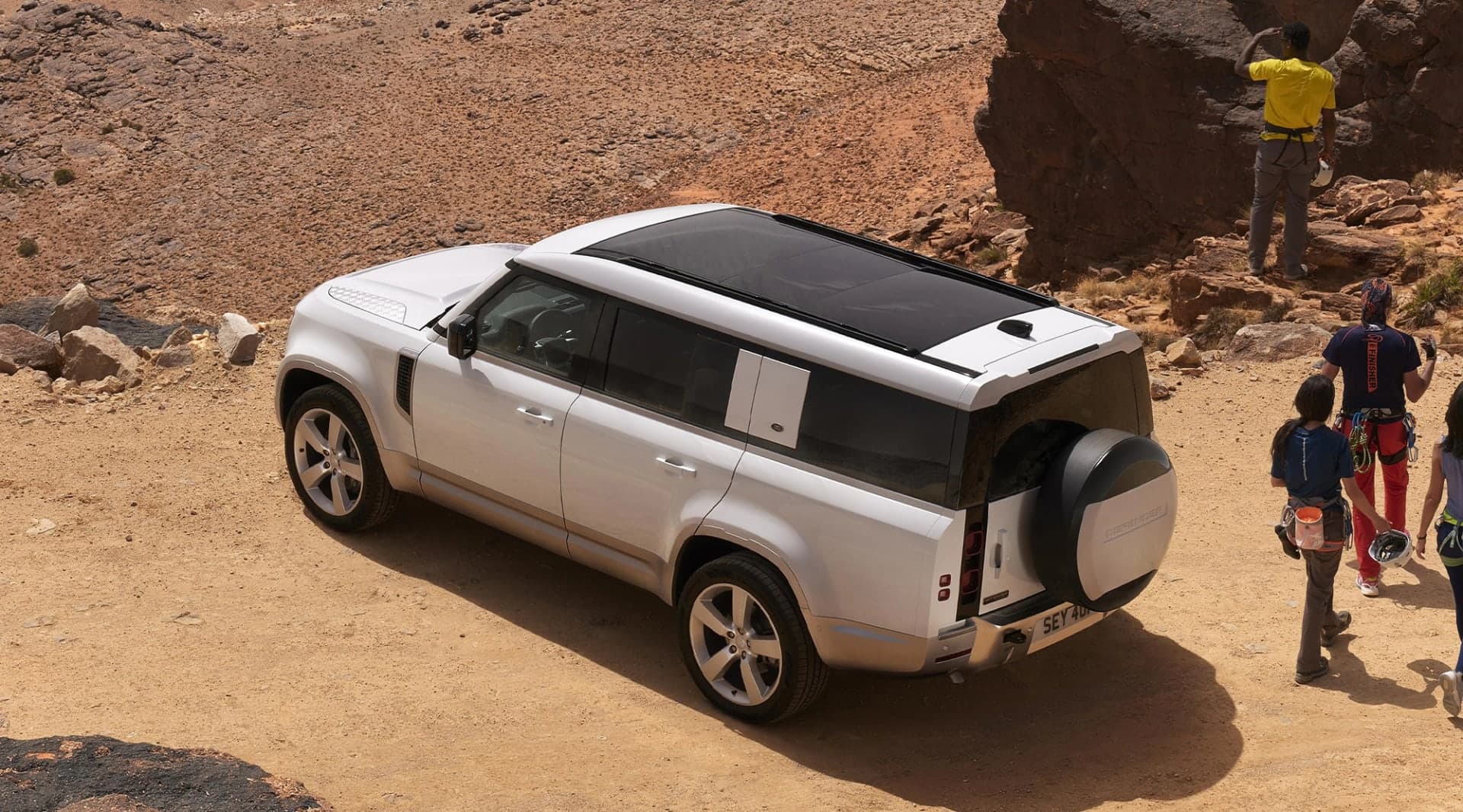
JLR is reported to have pushed the next-generation Defender back by around two years. Because the fully electric version only arrives with that new car, the battery Defender now lands in the 2030s rather than towards the end of this decade. The reason given internally is not cold feet about electricity. It is that the current Defender is selling roughly 110,000 units a year and nobody wants to interrupt it.
Why the platform says no
The Defender's D7x architecture was signed off before the current car launched in 2019 and built around a stiff aluminium structure designed for combustion and mild hybrid power. There is no clean way to slide a usable battery underneath it, which is why an electric Defender was always tied to the next generation rather than to a mid-life update. Delay the car and you delay the powertrain along with it.
A third of the company
That 110,000 figure is the part worth sitting with. It is close to a third of JLR's global volume from a single nameplate, sold at prices that flatter the balance sheet. Chief executive P.B. Balaji arrived from Tata with a cost-cutting brief, American appetite for large EVs has cooled, Defenders built in Slovakia now carry a 15% US import tariff, and the company has even explored building the car in America with Stellantis. Spending billions to replace your best seller is a hard case to make in that room.
The small one still lands
The compact Defender, the one everyone insists on calling the baby Defender, keeps its slot for around 2027 on JLR's EMA platform. It has quietly changed shape, though. What was meant to be an EV-only model is now being engineered to accept hybrid power as well. Read the two decisions together and JLR's message is consistent enough: electric when the customer asks for it, not before.
What it means for 2030
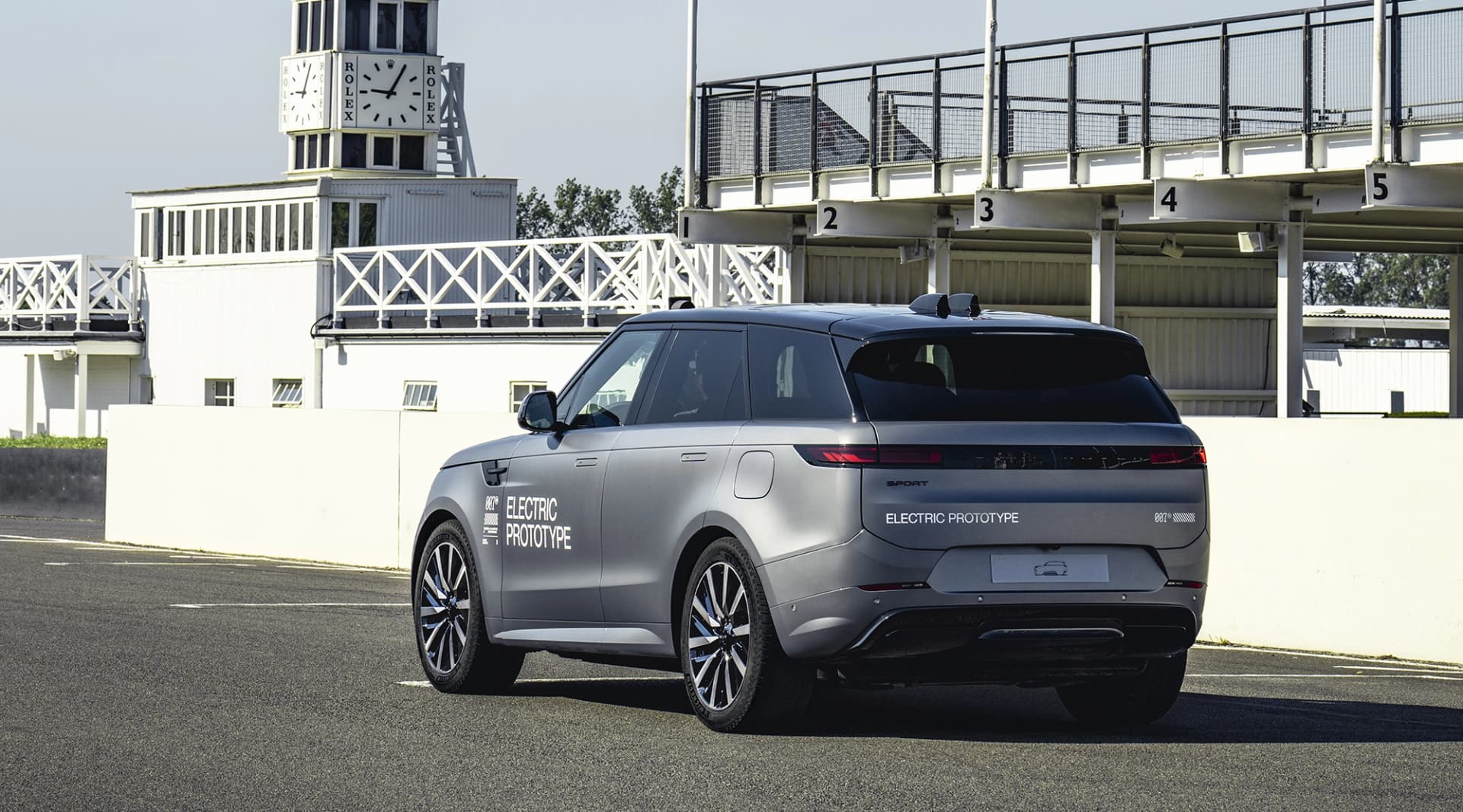
JLR still says each of its brands will offer a fully electric model by 2030, and that promise is now doing a lot of work. The Range Rover Sport Electric has been shown, but the Range Rover Electric keeps sliding, Jaguar's reinvention has yet to put a car in a customer's hands, and the Defender, the brand with the most heat around it, has just been moved to the back of the queue.
The bit nobody has confirmed
None of this has come from JLR itself. The two-year figure was reported by The Times from people briefed internally and picked up across the industry, and the company has never put a public date on the next Defender at all. Treat the early 2030s as a direction of travel rather than a launch window. What is not in doubt is that the electric Defender is further away this week than it was last week.
AutoNext Take
Waiting is the right commercial call and a slightly embarrassing one. Land Rover spent years telling us an electric Defender was coming, then discovered that the version with a diesel in the nose is the most valuable thing it owns. That is a good problem to have. It also means the brand best placed in Europe to sell an electric off-roader has just given itself another five years of not selling one.
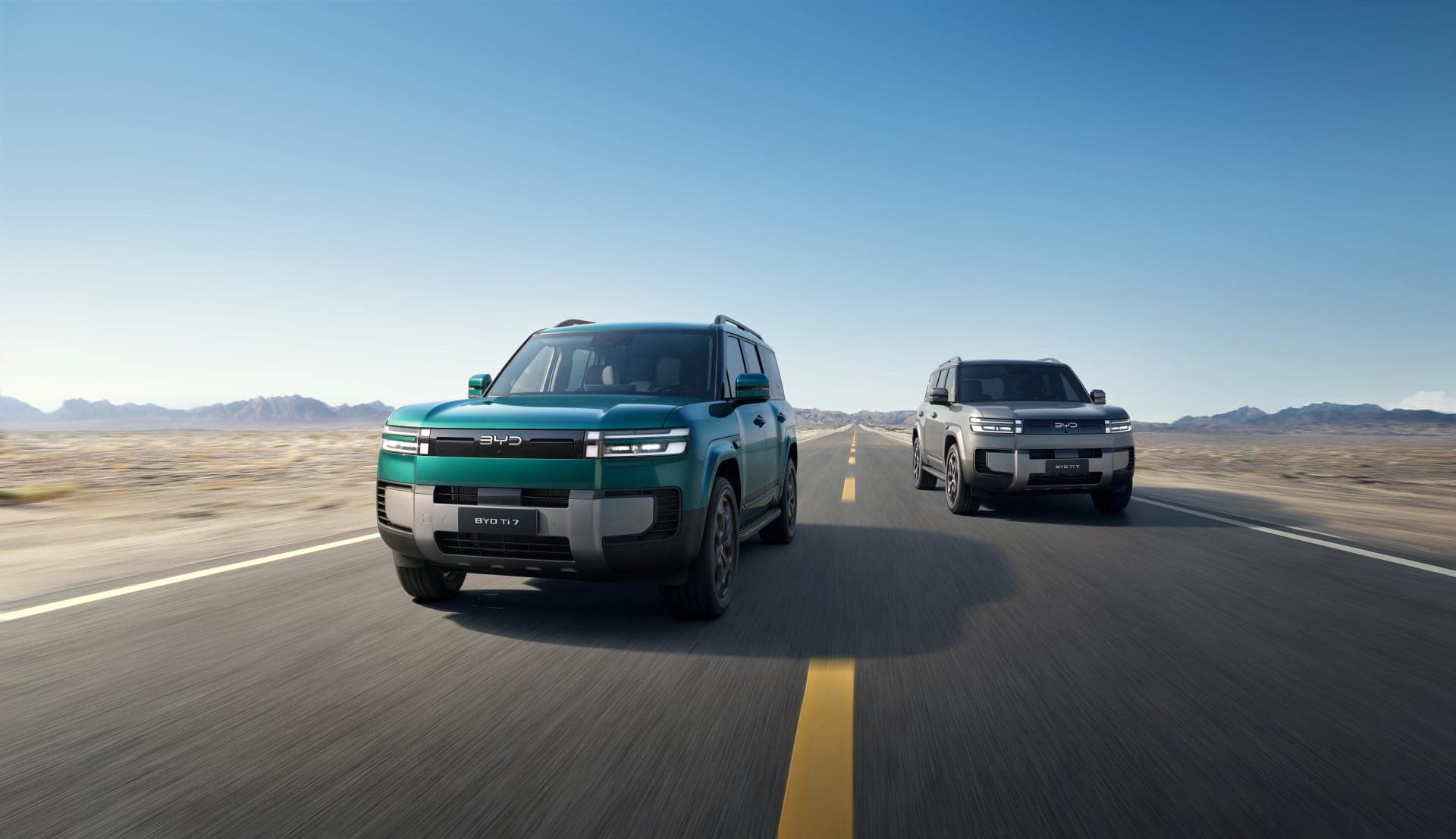
The risk is not that Defender owners defect tomorrow. It is that BYD, Denza and the rest of the new arrivals spend those five years learning how to build a boxy 4x4 that people actually want, while Land Rover perfects the one it already sells. Get this wrong and the Defender ends up where the original was by 1990: brilliant, beloved, and quietly overtaken.