Lando Norris hired Prema's departed boss to run LN4 Fusion
A world champion just bought the bottom of the ladder he climbed
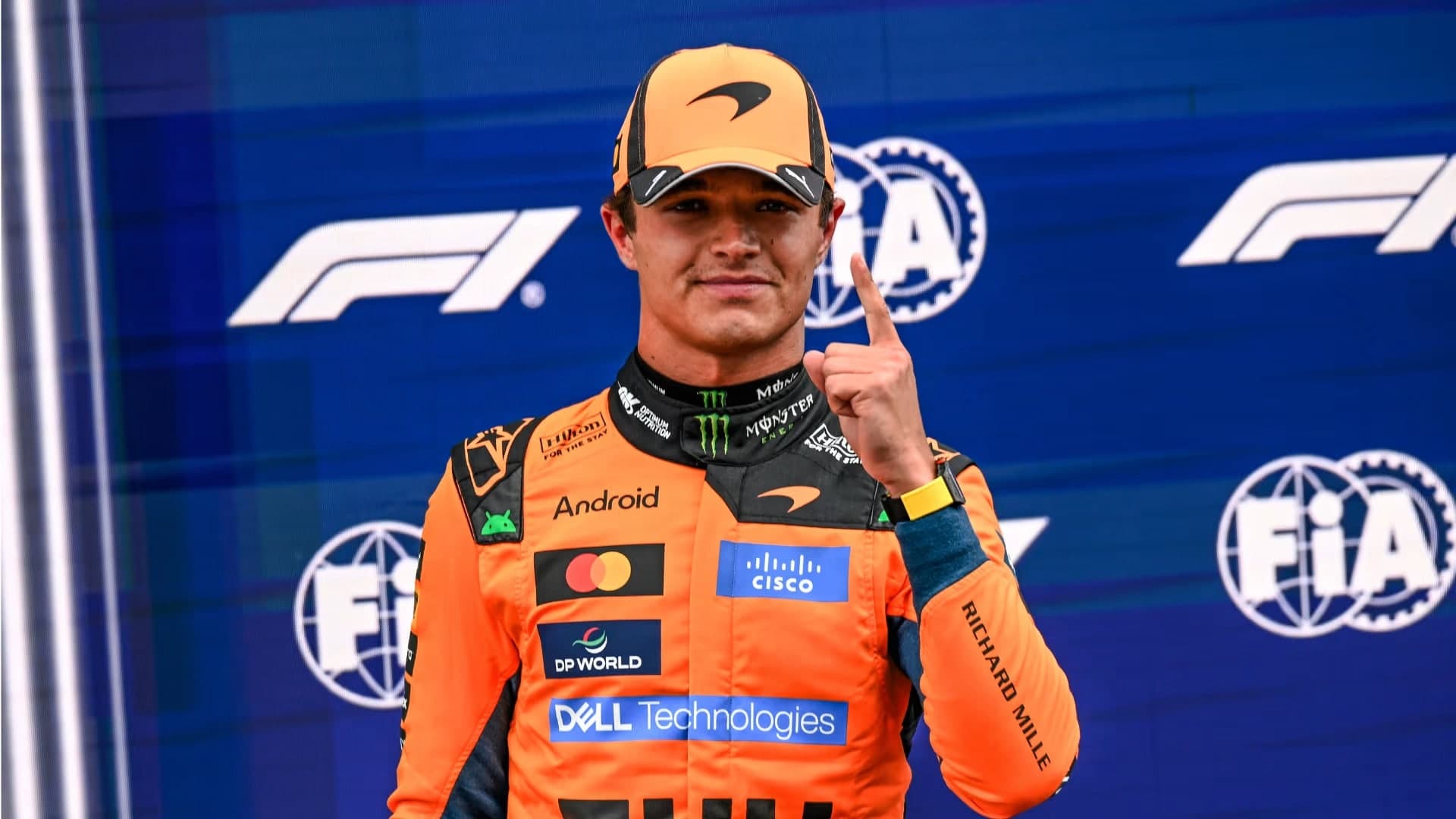
Lando Norris has spent his own money on the least glamorous part of motorsport. LN4 Fusion is his junior single-seater team, announced near Monza on Wednesday, and alongside it sits a driver programme he funds himself. The team gives him a business. The programme is the more revealing half, because it targets the exact obstacle Norris never had to face.
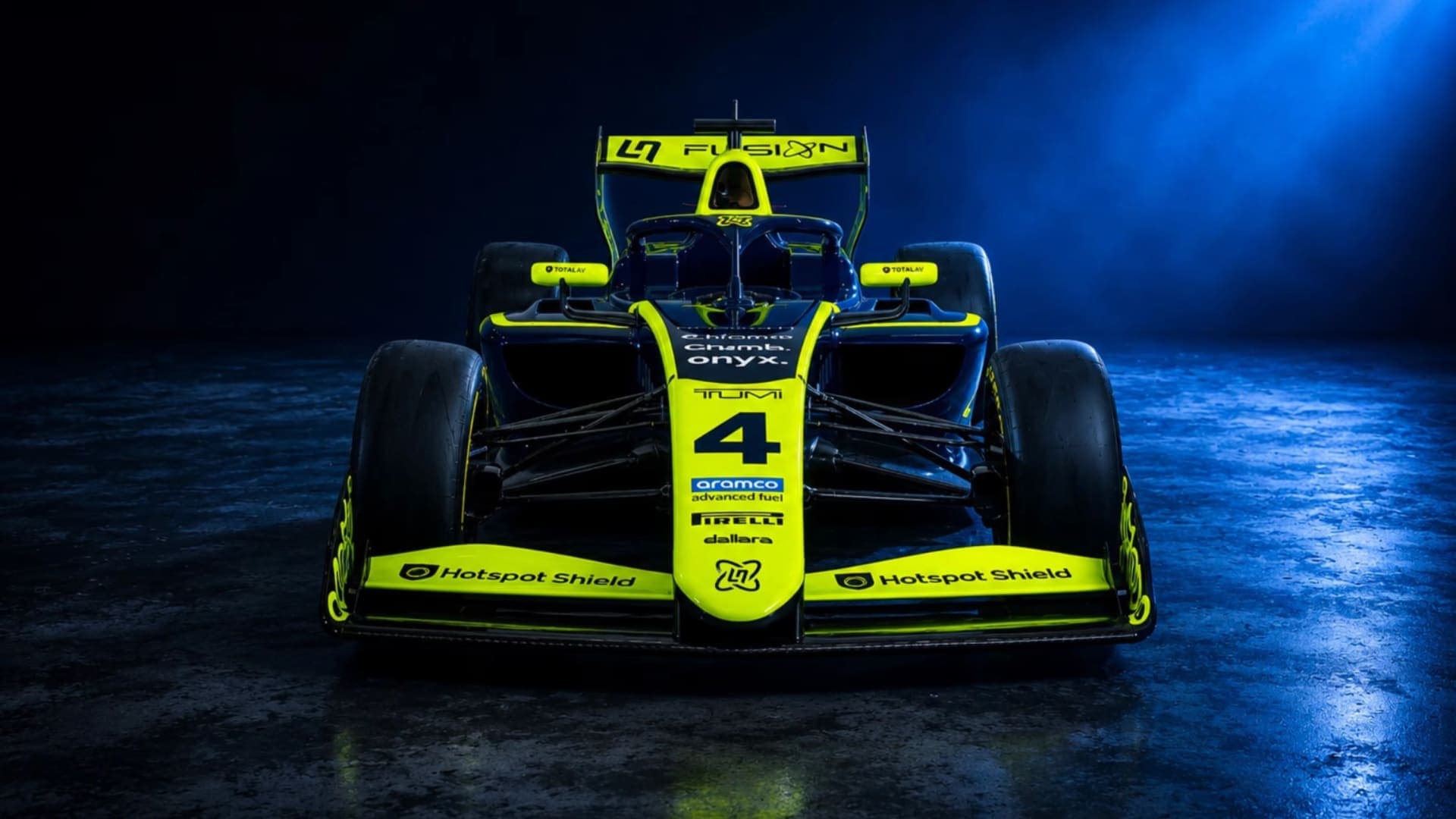
LN4 Fusion enters Italian F4, FRECA and Formula 3 in 2027
The team will run in the Italian Formula 4 championship, the FIA Formula Regional European Championship and Formula 3 next season, and it reached that top rung by buying in rather than queuing up. LN4 Fusion acquired selected assets of AIX Racing, whose Formula 3 entry is secured through the end of the 2027 season, and has applied for a Formula 2 slot on top. A British Formula 4 test programme is already running. The European operation is based in Veneto in northern Italy, with a UK arm in Cambridgeshire under long-time Fusion Motorsport boss Dan Hazlewood.
René Rosin left Prema in January, and Veneto is where he lands
The hire that matters is René Rosin as team principal. His family founded Prema in 1983 and built it into the most decorated junior operation in the sport, with more than seventy drivers' and teams' titles, then left it in January 2026 without a public explanation. Guillaume Capietto, Prema's former technical chief, joins as racing director. Dan Richards, who leads the investment group behind the project, is chief executive. Norris has not built a team from nothing: he has reassembled the people who ran the benchmark one, and put them back in the same region of Italy.
The LN4 Legacy Programme is funded by Norris and led by Julian Rouse
The second project is a fully funded driver development programme operated by ADD Management, Norris's own management company, and led by Julian Rouse, previously sporting director at Alpine. It picks up drivers at grassroots karting level and pays for the climb, covering coaching, mentoring and career guidance as well as seats. It is deliberately independent of the race team, which matters: a programme tied to one team can only place its drivers in that team's cars, and the ladder has too few seats for that to work.
Winning Formula 3 pays 300,000 euros. A Formula 2 season costs far more
Formula 3 introduced a one-million-euro prize fund in 2025, split across the top five in the championship: 300,000 euros for the winner, then 250,000, 200,000, 150,000 and 100,000. The money is explicitly meant to help those drivers into Formula 2 the following year, and series boss Bruno Michel has said plainly that it will not finance a full season there. That is the arithmetic of the junior ladder in one line. Beat thirty rivals over a season, collect the biggest cheque the championship hands out, and you still arrive at the next rung needing a backer. Every driver who fails that test leaves the sport, whatever their lap times said.
Norris is contracted to McLaren until 2030, and Domenicali approves
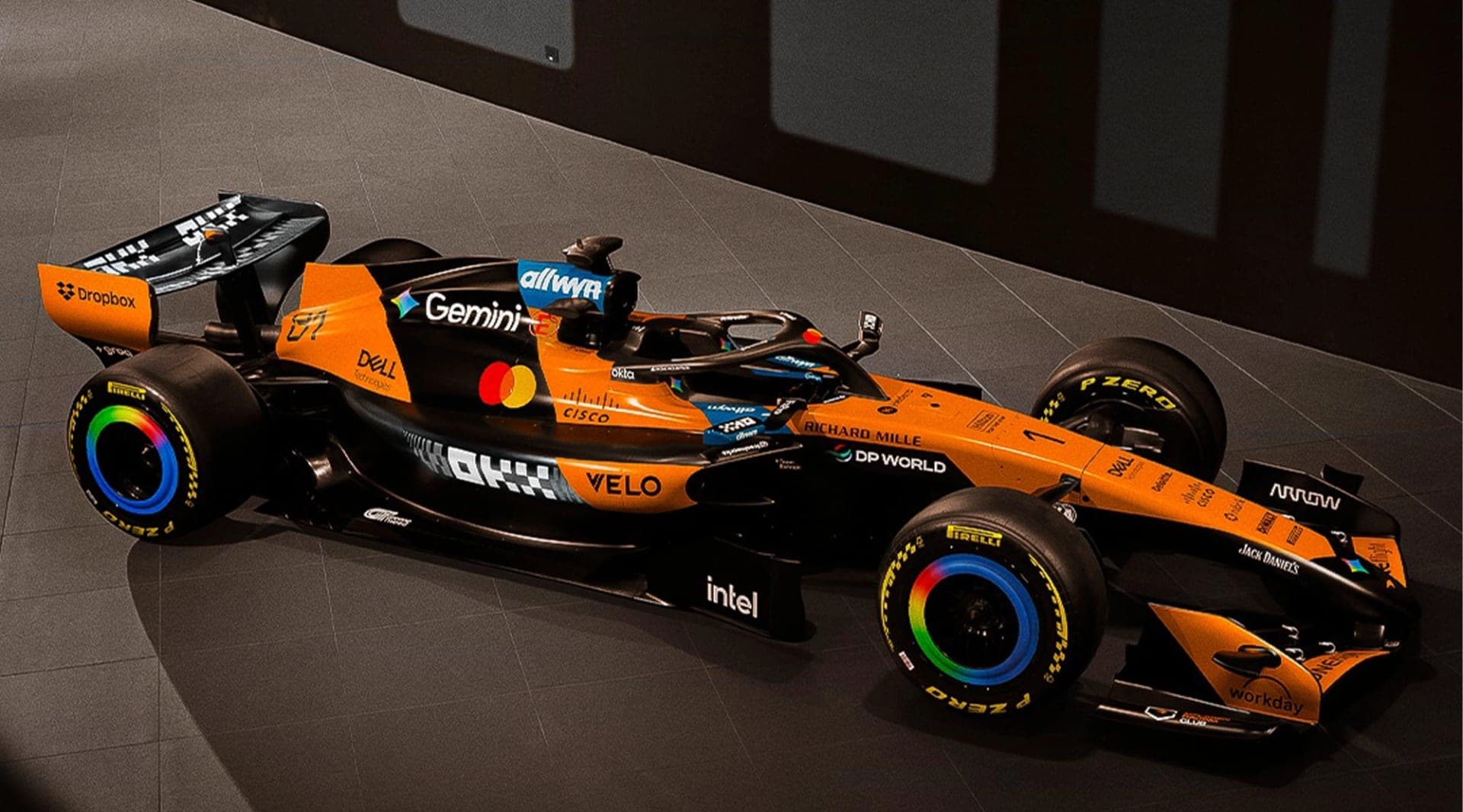
Norris is 26, won his first world title last season and has since signed a contract extension that keeps him at McLaren until at least 2030, which is long enough to justify building something that will not produce a Formula 2 driver for years. Formula 1 chief executive Stefano Domenicali called the investment a statement about how crucial the Formula 3 and Formula 2 pyramid is to the sport's future, which is the kind of welcome a series gives a project it wants to see repeated. The announcement landed days before the Italian Grand Prix, where his McLaren will run its rotating H-Wing rear wing for the first time.
AutoNext Take
The claim to test is simple and it has a date on it. If the LN4 Legacy Programme works, a driver with no family money behind them reaches Formula 2 wearing its colours, and we will know within four seasons because that is roughly how long Italian F4 to Formula 2 takes. If it does not work, LN4 Fusion will look like every other junior team by 2030, its seats filled by whoever brings the budget, with a scholarship attached for the publicity. The structure Norris has chosen suggests he knows the difference: the programme sits outside the team on purpose.
What gives the thing weight is that Norris is the wrong person to be fixing this, and clearly knows it. His own climb was financed by his father, a pensions entrepreneur who stepped back from his business to manage it, and Norris has always said he was lucky rather than self-made. Setting up a fund for drivers without that is an admission about how he got here, and it is a more useful admission than another champion telling young drivers to work harder. The 300,000 euros Formula 3 gives its champion is the measure of how far the sport's own generosity reaches. Norris is betting he can reach further with his own.