McLaren's rotating H-Wing arrives at Monza, six months after Ferrari's Macarena
McLaren's H-Wing races first at Monza, the year's lowest-downforce circuit
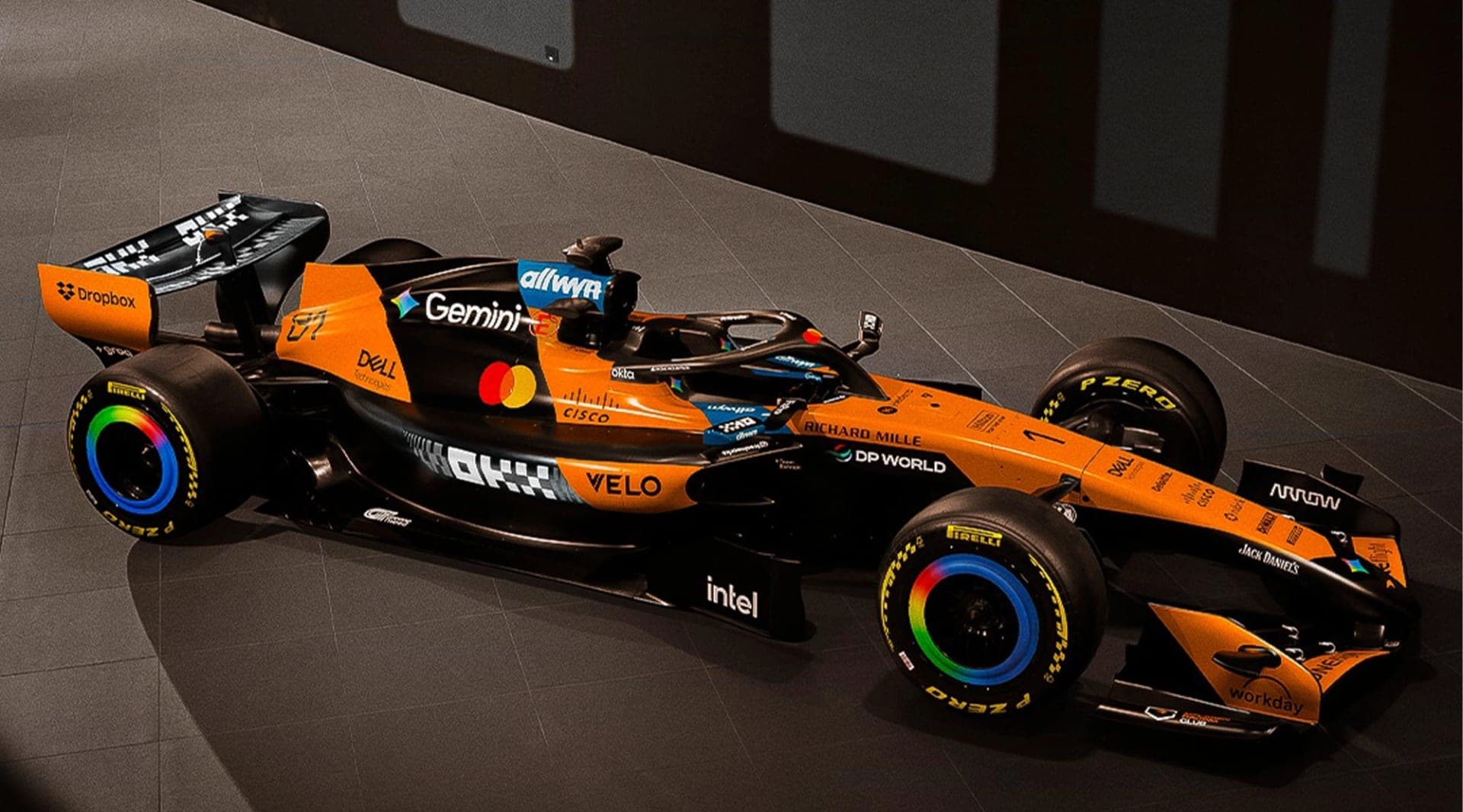
McLaren will run its rotating rear wing on both cars at this weekend's Italian Grand Prix, and it has finally given the device a name: the H-Wing. It is the team's answer to the flipping rear wing Ferrari introduced in March, an idea McLaren has admitted it was slow to chase. That the answer arrives at Monza, the circuit that needs downforce least, is not a coincidence.
The H-Wing flips 180 degrees between corner mode and straight mode
The H-Wing rotates the upper rear wing element through 180 degrees, switching it between a cornering setting and a low-drag straight-line setting. McLaren brought a prototype to the Austrian Grand Prix but never ran it, after finding a problem with the assembly in the garage and sending it back to Woking. A revised version ran in first practice in Hungary, and technical director Neil Houldey has now signed it off for both MCL40s at Monza, alongside a new low-drag rear wing specification and a set of smaller aerodynamic options the team will evaluate before qualifying.
Ferrari got there in March, and Fred Vasseur called it the Macarena
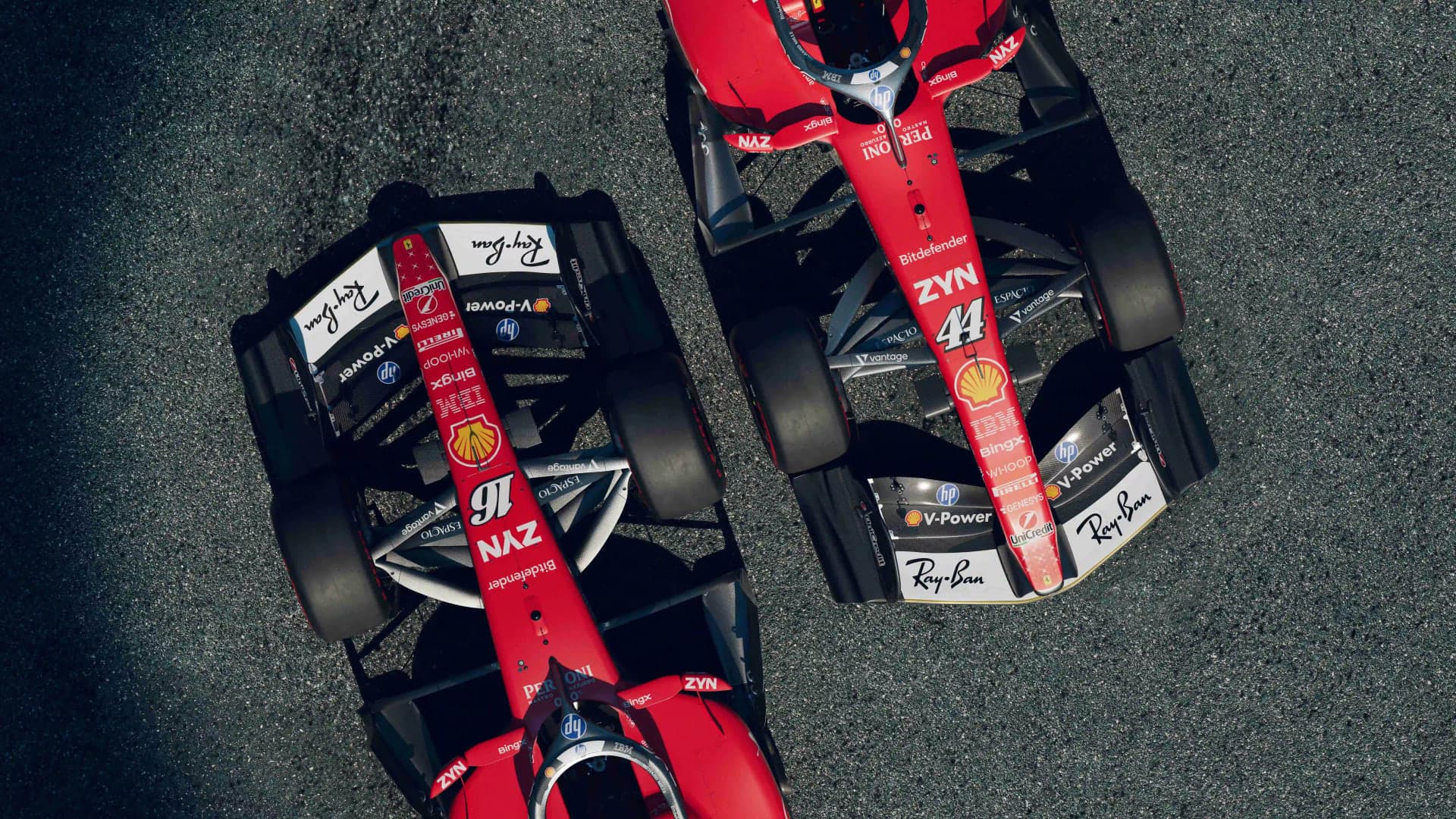
Ferrari developed the concept over the winter and had it on the car for the Chinese Grand Prix in March, where it was fitted and then taken off again after practice. Team principal Fred Vasseur christened it the Macarena and the joke stuck across the paddock. Red Bull arrived at almost the same solution at almost the same time, which is the part that should have worried everyone else: two teams read the new 2026 aerodynamic rules the same way, independently, and it took a third until September to match them. Ferrari reaches its home race with its second engine upgrade of the season and a Schumacher tribute livery on both cars.
The FIA ran a Failure Mode and Effects Analysis after two Verstappen crashes
The concept almost did not survive the summer. After Max Verstappen crashed twice in quick succession, in Austria and in Britain, the FIA asked Ferrari and Red Bull for more technical information and carried out a formal Failure Mode and Effects Analysis on the mechanism, examining the mandated closing time of the wing and how the car behaves in the moment after it activates. Red Bull had suffered two failures on Verstappen's car and had already removed its version in July. Ferrari reported none. In August the FIA cleared the concept rather than banning it, and told Red Bull to do more work of its own.
Neil Houldey says McLaren was disappointed not to copy Ferrari faster
Houldey has been unusually plain about the delay. He said McLaren was disappointed not to pick the idea up as quickly as Ferrari did and then Red Bull, and that the team recognised the opportunity as soon as it saw the wing but sat with it for a while before acting. The reason is ordinary rather than damning: the rotating wing was not the biggest number on the upgrade list, and more conventional parts promised more lap time sooner. That is a defensible call in a season where McLaren has already signed Lando Norris to 2030 and expects to be fighting for titles for years. It is an expensive one if the straight-line gain is real.
In 2010 the F-duct was the one part McLaren took off for Monza
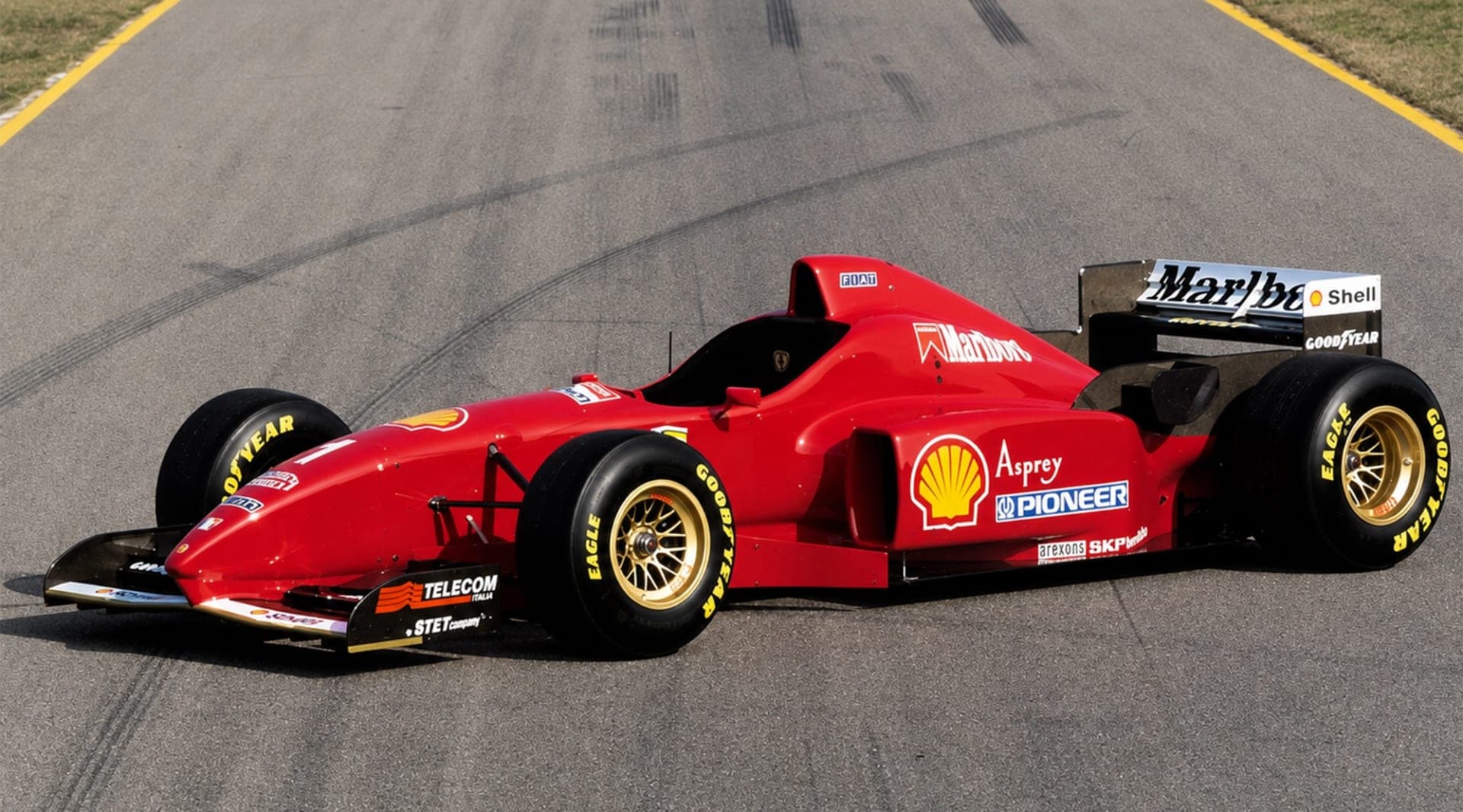
The name is the giveaway. The H in H-Wing is the H in the Etihad logo on the back of the MCL40, sitting on the centreline where the straight-mode actuator is fitted. McLaren has done this before. The 2010 F-duct was named after the F in the Vodafone logo beside the cockpit inlet, a hole the driver covered with a knee or an elbow to stall the rear wing down the straights. It was voted out on cost and safety grounds and replaced by DRS for 2011. It was also the one part McLaren removed for Monza that year, because the lowest-downforce circuit on the calendar already runs a bespoke low-drag package that leaves an F-duct nothing left to stall. The habit runs deeper than the naming: McLaren's engineers keep circling the same problem, how to carry speed without carrying drag, whether the answer is a stalled wing, a rotating one or the hybrid anti-lag system it patented for road cars.
AutoNext Take
The inversion is the interesting part. Sixteen years ago McLaren's clever drag-cutting trick was the one piece it left in the garage for Monza, because there was nothing left to stall once the low-drag wing went on. This year its clever drag-cutting trick is the reason it turned up early. That is a genuine difference in what the device does: the F-duct killed a wing that was still bolted on, while the H-Wing turns the wing over and makes it a different wing. One needed downforce to destroy, the other creates the low-drag shape itself, which is why Monza suits it and suited the F-duct not at all.
The test happens on Saturday, and it is a simple one. If McLaren's speed through the Monza speed traps sits where it sat in Hungary relative to Ferrari, then half a season of development bought a name and a photograph. If it moves, McLaren has closed the one gap it publicly admitted to, at the circuit where drag costs the most, and Ferrari's six-month head start on the biggest aerodynamic idea of 2026 will have bought Maranello almost nothing.