Liquid Hydrogen Comes to Le Mans with the Toyota TR LH2 Racing Prototype
Toyota is showing that hydrogen combustion is becoming a serious motorsport development path.
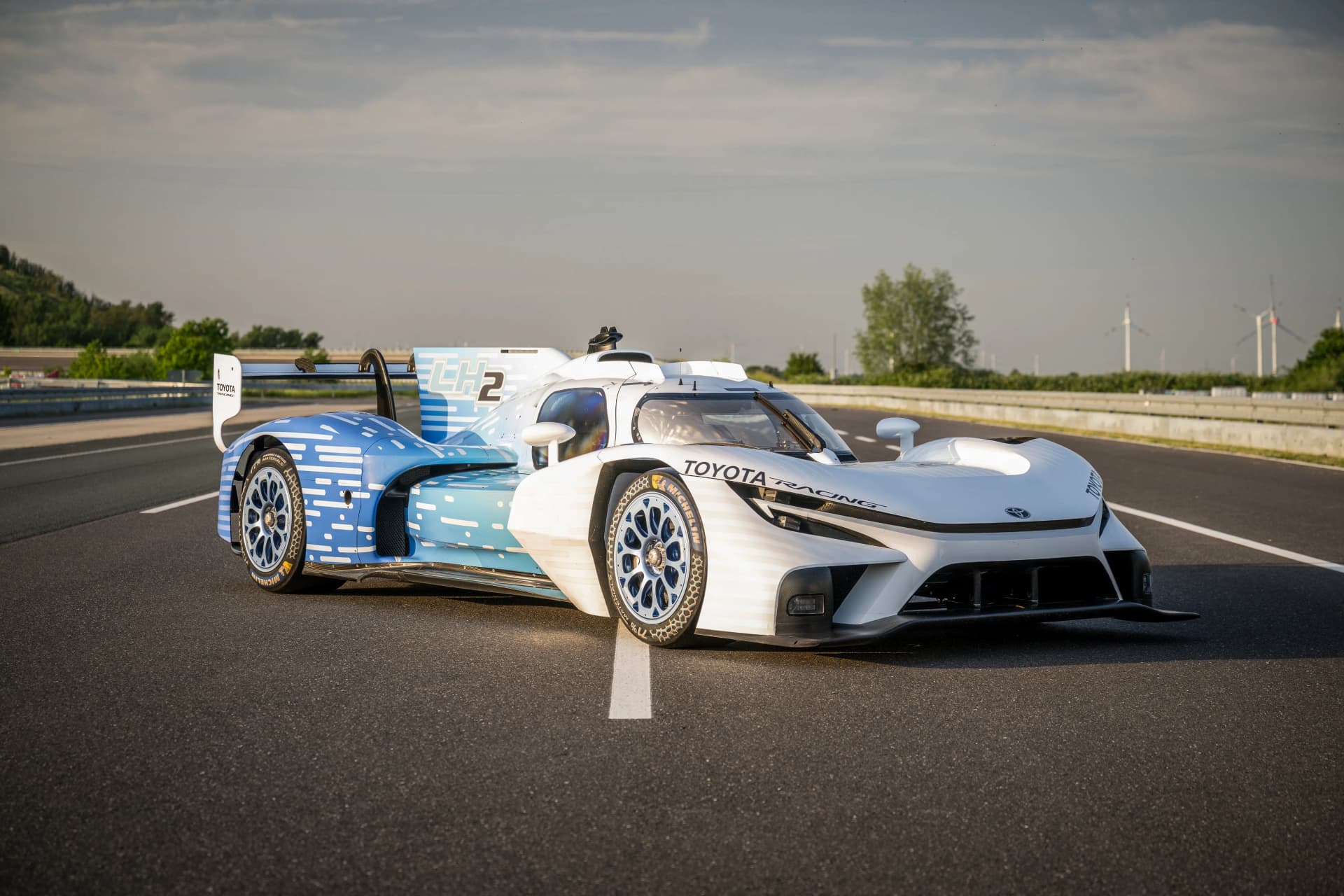
Toyota is bringing liquid hydrogen to Le Mans. Not as a concept sitting quietly under show lights. Not as a future promise buried in a presentation. But on track, at the Circuit de la Sarthe, with a real racing prototype and the sound of a hydrogen combustion engine echoing around Le Mans.
The Toyota TR LH2 Racing Prototype will complete public demonstration laps during the 94th 24 Hours of Le Mans, running on Thursday 11 June at 12:50 and again on Saturday 13 June at 12:45. It will not race in the 24 Hours. But in some ways, that does not make it less important.
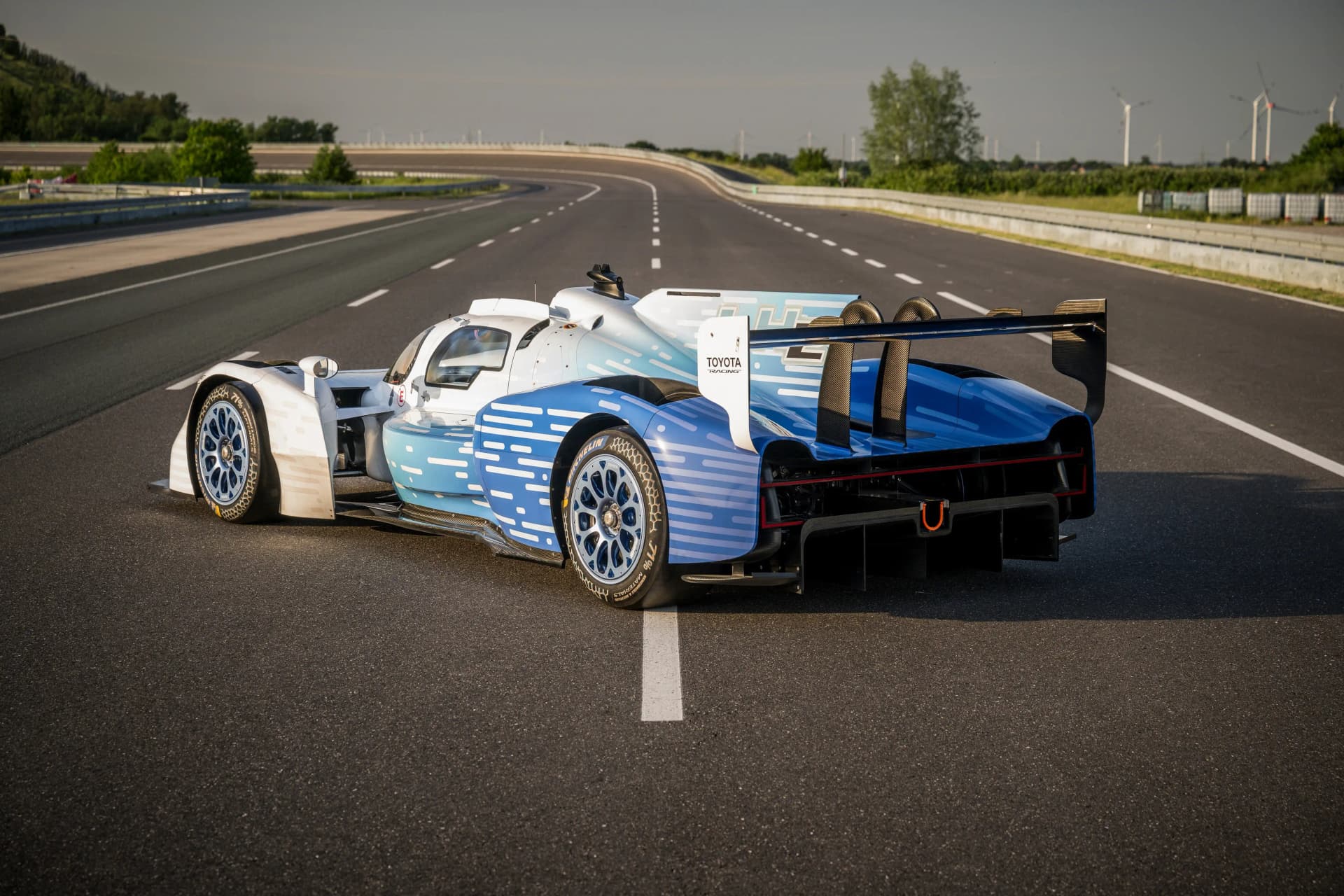
A hydrogen prototype based on Toyota’s Le Mans Hypercar
The TR LH2 Racing Prototype is based on the same chassis as Toyota’s TR010 HYBRID Hypercar, which will compete in the Le Mans 24 Hours on 13-14 June. Toyota is not building a symbolic demo car with racing stickers. It is using a proper endurance racing base to explore whether hydrogen combustion can eventually fit into the world of high-performance motorsport.
The car runs on liquid hydrogen, which is burned in an internal combustion engine. That is a very different approach from hydrogen fuel-cell technology, where hydrogen is used to generate electricity.
Liquid hydrogen, not just hydrogen hype
Hydrogen has been discussed in motorsport for years, but Toyota is one of the few manufacturers actually pushing it through competition-style development. The journey started with the ORC ROOKIE GR Corolla H2 Concept in Japan’s Super Taikyu series, first using gaseous hydrogen from 2021, before moving to liquid hydrogen from 2023.
Toyota then brought hydrogen combustion into rally demonstrations, including the GR Yaris H2 at Ypres Rally in 2022, followed by the GR Yaris Rally2 H2 Concept at Rally Finland in 2025 and Rallye Monte-Carlo this year.
Le Mans has already played a role too. In 2023, the ORC ROOKIE GR Corolla H2 Concept completed a demonstration lap at the Circuit de la Sarthe, while Toyota also presented the GR H2 Racing Concept as a preview of a possible future hydrogen category. Last year, the liquid hydrogen-powered GR LH2 Racing Concept moved the idea forward.
Why Le Mans is the right stage
Le Mans has always been more than a race. It is a laboratory. Diesel won here. Hybrid technology became dominant here. Energy management became as important as outright speed here. If hydrogen combustion is ever going to prove itself in serious motorsport, Le Mans is the logical place to start.
The 13.626 km Circuit de la Sarthe is brutally demanding. Long straights, heavy braking zones, high-speed sections, night running, temperature swings and endurance pressure all make it one of the toughest environments in racing.
The sound matters
One of the most interesting parts of Toyota’s hydrogen combustion work is emotional. Battery-electric racing has its advantages, but it struggles to replace the sound, sensation and theatre of combustion. For many fans, that matters. Motorsport is not only about efficiency. It is about intensity.
Hydrogen combustion offers a potential bridge. It could reduce carbon emissions while preserving elements of the racing experience people still love: engine sound, mechanical character and refuelling strategy.
Hydrogen Village: more than a demo lap
Before its public runs, the TR LH2 Racing Prototype will be displayed in the Hydrogen Village at Le Mans, which opens on Wednesday 10 June. The exhibition focuses on hydrogen technology and includes vehicles and information showing Toyota’s commitment to a carbon-neutral society.
That broader context is important. Toyota has long argued that carbon neutrality should not depend on one single solution. Battery-electric cars will be part of the future, but so will hybrids, plug-in hybrids, synthetic fuels and potentially hydrogen. The TR LH2 Racing Prototype fits perfectly into that philosophy.
AutoNext Take
We love that Toyota is doing this. Not because liquid hydrogen is guaranteed to become the future of Le Mans. It might not. The technical challenges are huge, and the infrastructure question is even bigger. But motorsport needs manufacturers willing to test difficult ideas in public.
The important part is not just that it runs on hydrogen. It is that it keeps the combustion experience alive while trying to move toward lower-carbon racing. That is a fascinating direction, especially for endurance motorsport, where sound, strategy, refuelling and mechanical drama are part of the identity. Will hydrogen combustion win Le Mans one day? Too early to say.