Lynk & Co “Time to Shine”: GT Concept that signals more than just design ambition
Bold move, but identity risk is real.
For years, Lynk & Co has lived in a carefully defined space: digital-first, subscription-driven, slightly unconventional, but rarely emotional. A brand built more on mobility concepts and community than on pure automotive desire.
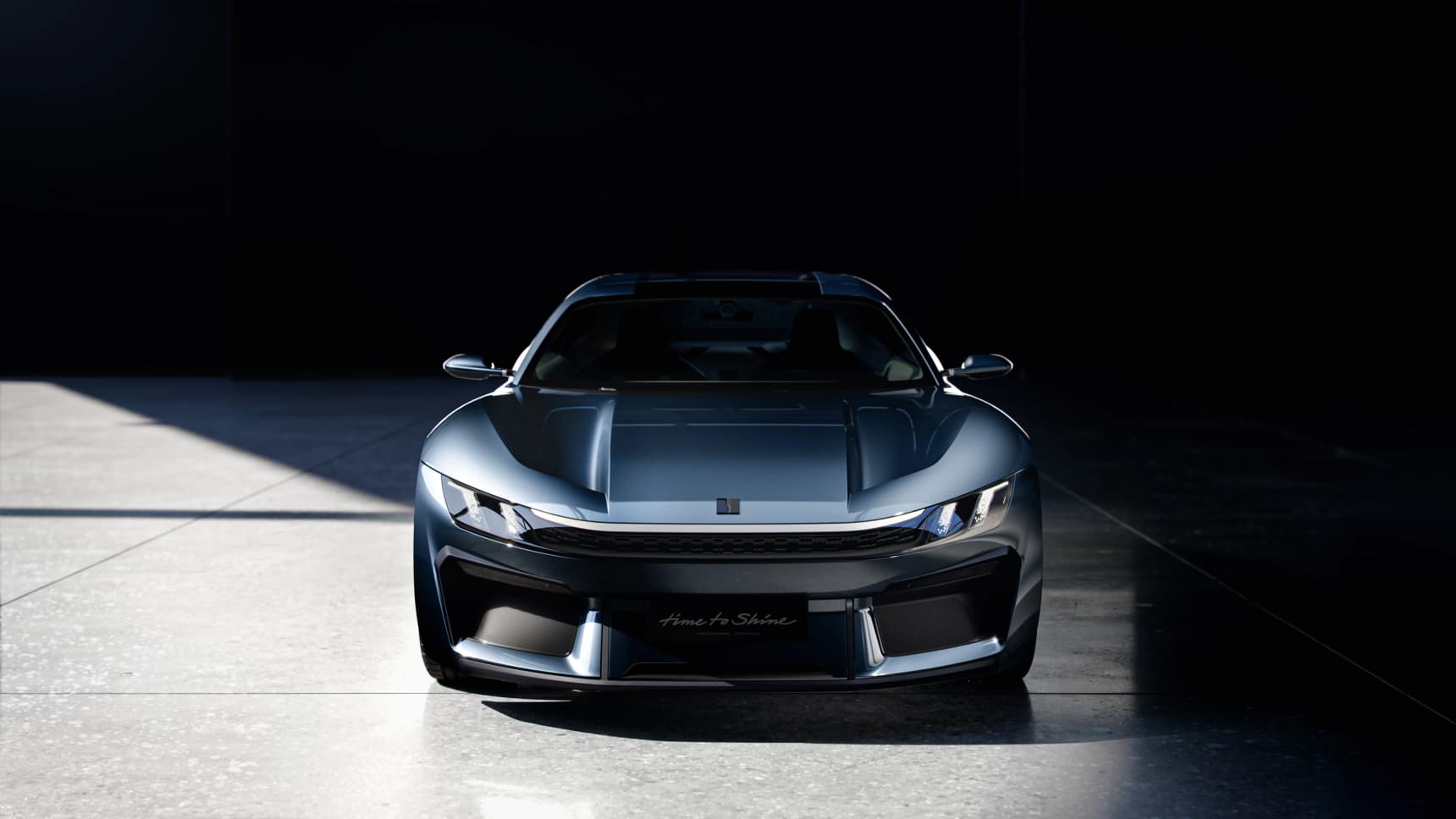
That changes now. At the Beijing Auto Show 2026, Lynk & Co unveiled its first-ever GT concept, boldly named “Time to Shine” and while the name might raise eyebrows, the intention behind it is unmistakably serious.
From rational mobility to emotional performance
The “Time to Shine” concept represents a significant shift in how Lynk & Co wants to be perceived. Where previous models focused on accessibility, connectivity and urban use cases, this GT concept leans heavily into emotion, performance and visual impact, a space traditionally reserved for more established premium players.
With proportions that feel closer to an Italian grand tourer than a typical Geely product (low, wide, and purpose-built) the car immediately signals that Lynk & Co is no longer content with being the “alternative choice.” It wants to be desired.
Design: shaped by light, but driven by intention
Visually, the concept stands apart from anything Lynk & Co has done before. The design philosophy, described as “shaped by light,” plays with reflections and movement, giving the body a fluid, almost liquid-metal appearance, particularly in its Apex Blue finish, while Spark Yellow accents subtly hint at the brand’s motorsport DNA.
At 4,780 mm long, 2,000 mm wide and just 1,330 mm tall, the proportions are unmistakably GT: low-slung, stretched, and designed to communicate speed even at a standstill.
But beyond aesthetics, the real story lies in intent: This is Lynk & Co testing how far it can push its identity.
Interior: where Scandinavian restraint meets performance theatre
Inside, the concept walks a fine line between minimalism and drama. The 2+2 layout creates a sense of openness, while materials like Digital Shimmer leather and Textreme® carbon fibre introduce a tactile, almost architectural quality. It feels less like a traditional cockpit and more like a curated environment.
And then there’s the detail that defines the entire experience: A physical “+” button on the centre console. Press it, and the car transforms.
The suspension drops by 15 mm, aerodynamic elements extend the body by 100 mm, a rear wing deploys, and (perhaps most interestingly) digital displays disappear, removing distractions and forcing the driver back into a purely physical relationship with the machine.
Performance: headline figures, but that’s not the point
Lynk & Co claims a 0–100 km/h sprint in 2 seconds, powered by a rear-wheel-drive setup and supported by an AI-driven digital chassis. Impressive? Yes. But also secondary.
Because like many concept cars, the numbers are less about validation and more about signalling ambition. This isn’t a production-ready promise. It’s a direction.
The bigger picture, Geely’s portfolio is shifting fast
What makes this concept particularly interesting is how it fits within the broader Geely ecosystem. We’ve recently seen:
Zeekr pushing aggressively into premium performance and luxury
Volvo doubling down on refined, high-efficiency electric SUVs like the EX60
Lynk & Co now stepping into emotional, design-led territory
This creates a clear internal tension and opportunity. Because while Zeekr focuses on high-end execution and Volvo on trust and safety, Lynk & Co is positioning itself somewhere in between: More expressive. More experimental. Potentially more unpredictable.
AutoNext Take
Here’s the honest take. The “Time to Shine” concept is impressive. But it also raises an important question: What exactly is Lynk & Co becoming?
Because in trying to move upmarket and tap into emotional performance, the brand risks drifting into territory already occupied by its own sister brands, particularly Zeekr. And that’s where things get tricky.
If this direction is followed through correctly, Lynk & Co could evolve into something genuinely unique: a brand that blends Scandinavian design, digital-first thinking, and emotional driving experiences. But if not, it risks becoming:
neither as premium as Zeekr
nor as clearly defined as before
In other words: caught in between.