Mercedes told owners to park outside, a court called that a defect
The cars never caught fire, and that turned out not to matter
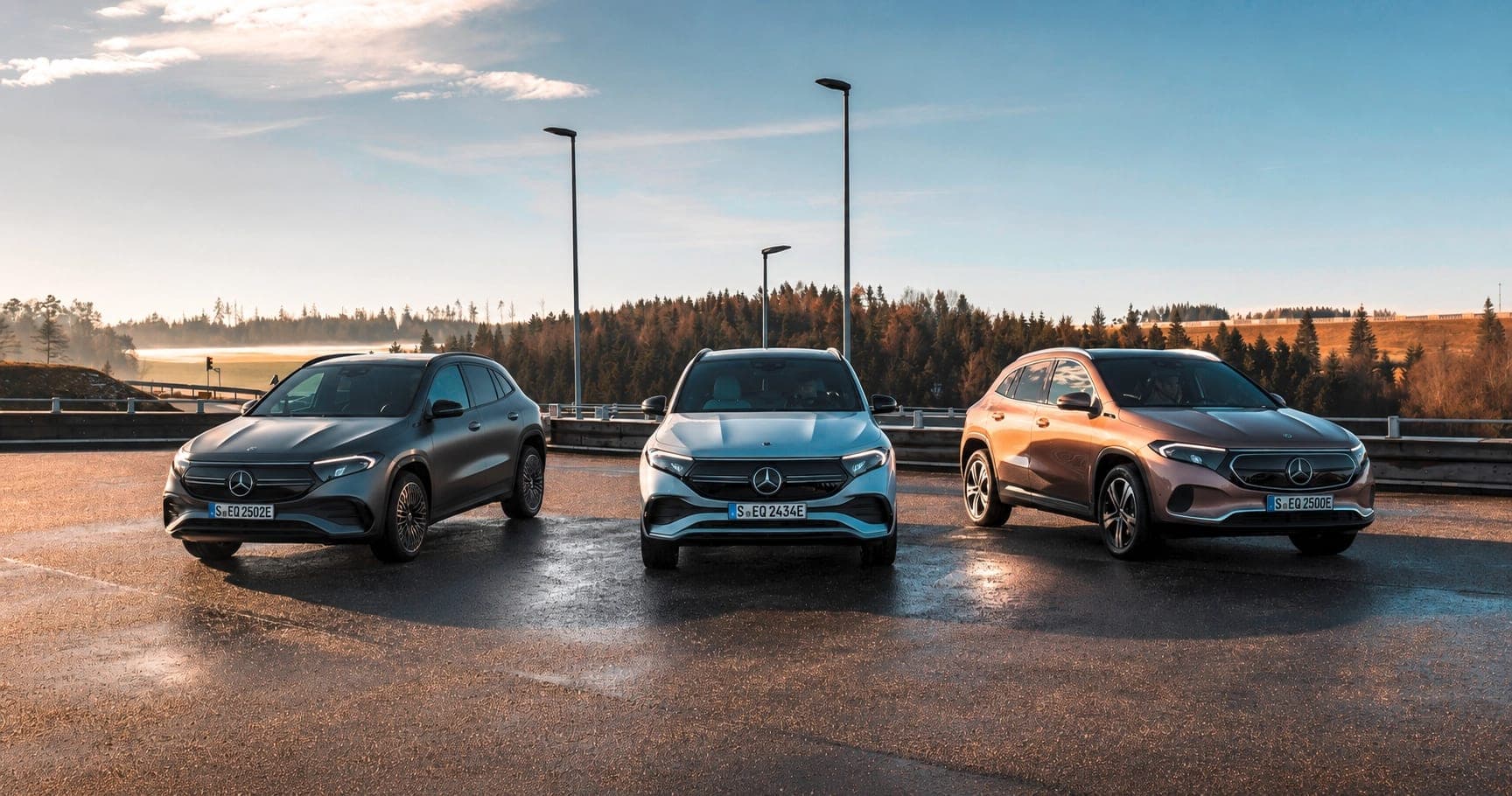
On 30 July the same chamber of the Regional Court in Stuttgart handed down two judgments against Mercedes-Benz, and the detail has only now reached the wider press. In the first, an EQA 250+ bought for €62,293 and driven 42,147 km goes back to the manufacturer against €51,791, with a further €729 for the extended warranty and €2,638 in legal costs.
The second went further. That EQA had cost €58,745, of which €45,745 sat on a loan from Mercedes-Benz Bank. The court did not merely unwind the sale. It released the buyer from what was left of the finance agreement as well, and awarded him €23,797 on top. Neither car had ever caught fire.
The recall that needed a second recall
It starts in February 2025, when Germany's KBA ordered a recall covering the EQA 250+ and EQB 250+. Both carry a 70.5 kWh pack in the floor built with cells from the Chinese supplier Farasis Energy, and under certain conditions those cells can develop an internal short circuit. The action covers 51,729 cars worldwide, 4,677 of them in Germany, built between 20 February 2021 and 30 July 2024.
Mercedes answered with software. A battery management update was meant to keep the cells out of the states where a short circuit could begin. A year later, in February 2026, a second recall conceded that it had not worked and that the packs would have to come out and be replaced.
A year of parking on the street
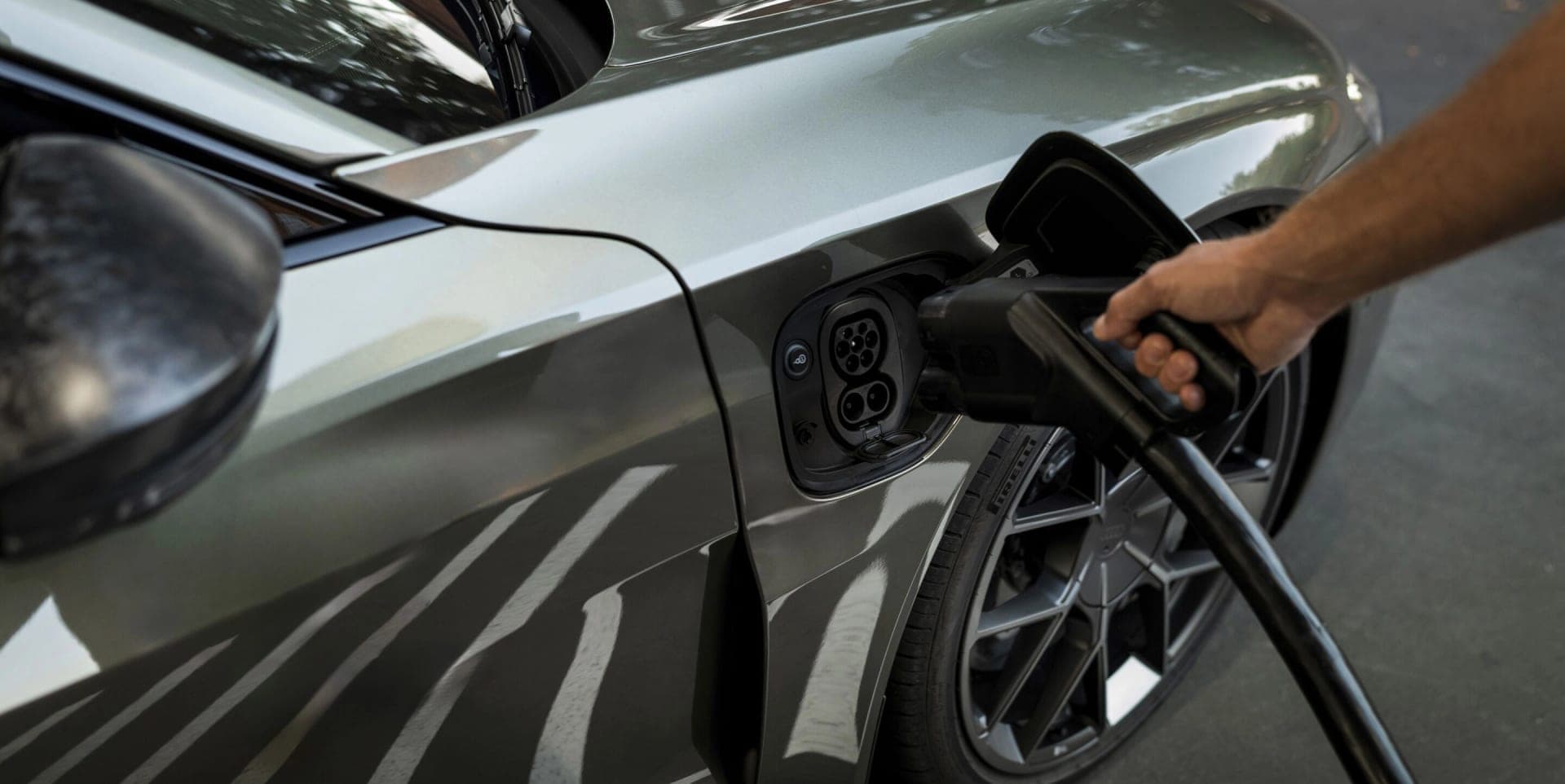
In between, owners were told to charge to no more than 80 percent and to park outdoors, away from buildings. Then they waited, because there were no replacement batteries to fit. That is the detail the Stuttgart judges seized on: a car you may not put in your own garage, may not fill, and cannot get repaired is a car whose ordinary use is noticeably impaired.
Mercedes is not the only carmaker asking owners to live around a fire risk while it finds a fix. Stellantis recalled 700,000 vehicles worldwide over one earlier this year, including 22,000 in Belgium. The difference is that a battery pack cannot be swapped out of a parts van in an afternoon.
Why suspicion was enough
The reasoning is what other owners will read closely. The court held that a suspicion grounded in concrete facts can itself amount to a material defect, provided the buyer has no reasonable way to clear it and normal use of the car is noticeably compromised. Nobody had to demonstrate that these particular cars would have burned. No owner can open a pack and inspect his own cells.
The evidence for the danger was Mercedes' own conduct. The charge cap, the parking instruction and the eventual decision to replace every affected pack all read, in court, as the manufacturer confirming the problem. It is not the first time a buyer has taken a carmaker to court and won, but both judgments are attached to a recall with tens of thousands of cars in it. Neither is final, and Mercedes can appeal.
What a buyer actually gets back
Not the full purchase price. In the financed case the court deducted €2,468 in usage compensation for the 21,864 km already covered, because you are refunded for the car and not for the driving. That produces an uncomfortable incentive: every kilometre you cover while waiting for a battery shrinks the cheque, so owners are quietly penalised for using a car they have been told to keep on the street.
It would also be comfortable to file all this as a quirk of German law. It is not. Directive (EU) 2019/771, written into every member state's consumer code, gives buyers the same ladder: repair or replacement first, then a price reduction or the right to cancel if that repair is not carried out within a reasonable time or without significant inconvenience. The detail most owners miss is that the right runs against the seller whose name is on the invoice, not against the manufacturer's recall department.
AutoNext Take
There is something almost unfair about these rulings, and that is exactly why they matter. Mercedes did the responsible thing. It found a cell defect, told owners to stop charging to full, told them to park in the open, and then committed to replacing every pack it had sold with those cells. A carmaker that had quietly said nothing would have handed its customers no evidence at all. Caution became the proof.
The second judgment is the one the industry should read twice. Mercedes-Benz sold the car, Mercedes-Benz Bank lent the money against it, and a single afternoon in Stuttgart unwound both halves of that arrangement. Captive finance is how most Europeans now get into an electric car, which means the loan book is exposed to the battery in a way nobody priced in. Meanwhile used EV batteries are turning out to be remarkably durable, so this is a spares problem rather than a technology one. Sell someone a car they cannot park at home for a year, and the courts will hand back the finance agreement along with it.