MINI at 25, the brand that turned go-kart feeling into a global identity
Some cars are built to move people. Others are built to define generations.
MINI somehow managed to do both. In 2026, the brand celebrates 25 years of its modern era under BMW Group, a quarter century that transformed a small British icon into a global lifestyle brand, without ever losing the essence that made it special in the first place.
From necessity to icon
To understand MINI today, you need to go back to 1959. Born out of fuel shortages and space constraints, Sir Alec Issigonis designed the original Mini as a solution: compact, efficient, and brilliantly engineered. Front-wheel drive, minimal footprint, maximum usability. It wasn’t just clever; it was revolutionary.
But something unexpected happened. The Mini didn’t just solve a problem. It became culture. From Monte Carlo Rally victories in the 1960s to its presence in fashion, music, and film, the Mini quickly transcended its utilitarian roots. It became personality on wheels.
2001: The rebirth that could have gone wrong
Fast forward to April 26, 2001. That’s the day the first modern MINI rolled off the production line in Oxford, under BMW Group ownership. And let’s be honest, this could have ended badly.
Reinventing an icon is one of the hardest things in the automotive world. Get it wrong, and you destroy decades of emotional equity. But BMW didn’t just modernize MINI. They reinterpreted it.
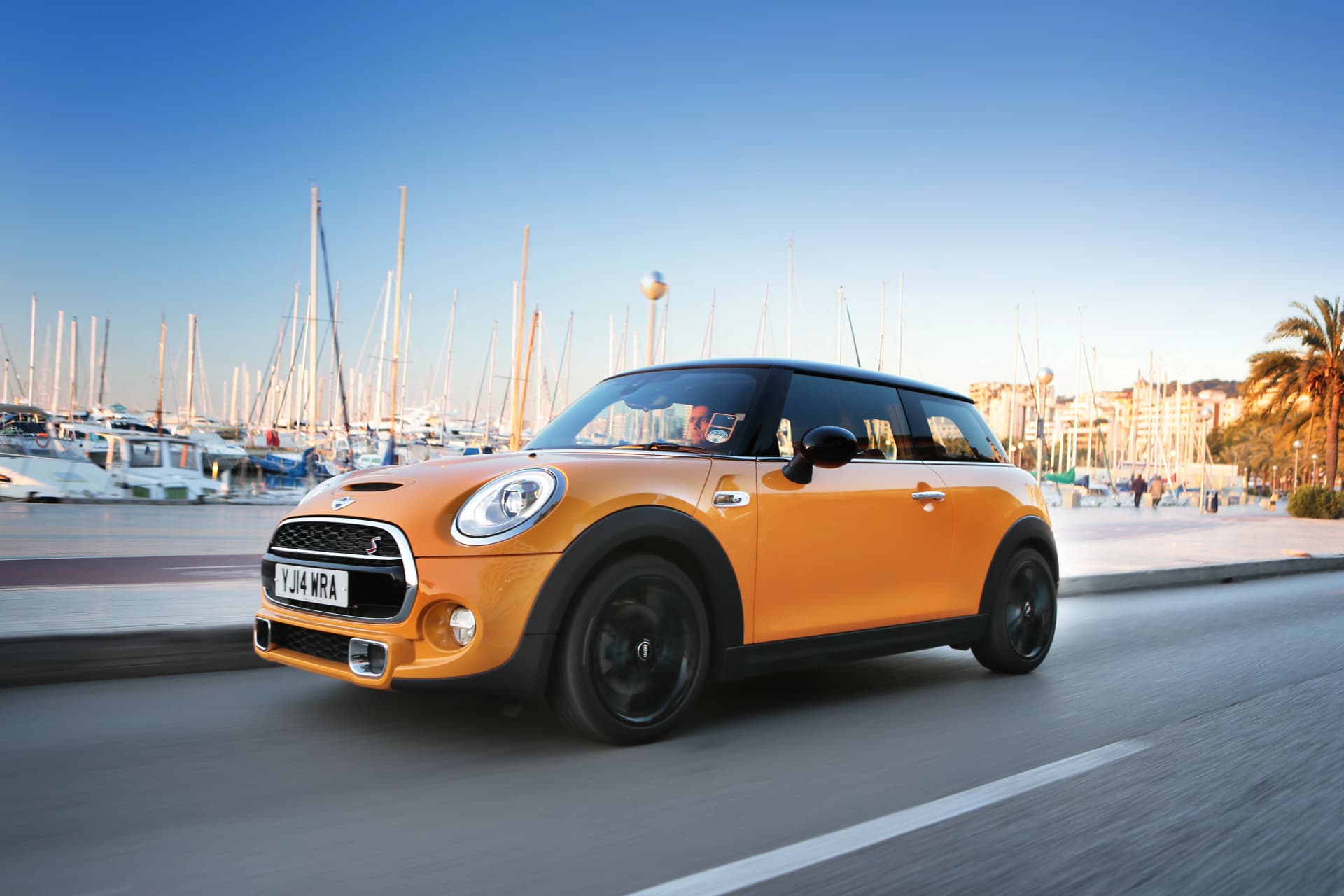
The design stayed instantly recognizable. The “go-kart feeling” became a core philosophy. And premium quality was injected into a segment that rarely saw it. The result? A brand that didn’t feel retro but relevant.
25 years later: bigger, broader, electrified
Today’s MINI lineup is the most diverse it has ever been. From the classic 3-door to the Countryman, from lifestyle-focused editions to performance-driven John Cooper Works models, MINI has stretched far beyond its original city-car concept. And then there’s electrification.
In 2025, more than one-third of all MINI deliveries were fully electric, with markets like the Netherlands and Sweden already pushing beyond 50%. That’s not experimentation anymore. That’s transition. It’s also where things get interesting.
Because MINI’s DNA has always been about lightweight agility and driving feel. Translating that into an electric world isn’t straightforward but it’s exactly the challenge the brand is now facing head-on.
Built in Britain, scaled globally
Behind the scenes, MINI’s success is still deeply rooted in the UK. The Oxford plant remains the heart of production, building around 800 cars per day, with a new MINI rolling off the line every 78 seconds. Combined with Swindon and Hams Hall, it forms one of the most important automotive ecosystems in the region.
More than 4.6 million modern MINIs have been built in Britain since 2001. That’s not just scale. That’s consistency.
More than a car: a statement
What MINI understood early on (and still executes extremely well) is that its cars are not just transportation. They’re identity.
Customization has always been a cornerstone of the brand, from iconic bonnet stripes to multi-tone roofs and special editions like the Paul Smith Edition. Every MINI feels personal, even before you drive it.
AutoNext Take
We’ll say it straight: MINI is one of the few brands that actually pulled off a successful reinvention. And that’s rare. Because most legacy brands either cling too hard to the past or abandon it completely. MINI found a balance and built an entire business on it.
That said, the next 25 years will be harder. Electrification is forcing every brand into the same technological framework. Platforms, batteries, software… the risk is that differentiation disappears.
For MINI, the challenge is simple but brutal: how do you keep “go-kart feeling” alive when everything becomes heavier, quieter, and more digital? If they get that right, MINI doesn’t just survive the electric era. It leads it.
If they don’t, it risks becoming just another design exercise in a crowded EV market. For now, though? 25 years in, they’ve earned the benefit of the doubt.