Nissan halved its development time with AI, and the new Skyline is the proof
An icon returns, but the bigger story is how quickly Nissan built it
Nissan has nearly halved the time it takes to develop a new car, and the returning Skyline is the first real evidence. The previous-generation car took 55 months to bring to life. The new one took 26. For a company that was losing more than a billion dollars a quarter not long ago, that kind of speed is not a luxury. It is survival.
How Nissan did it
CEO Ivan Espinosa, who took the helm in 2025, credits AI and digital tools across the whole process. "AI capabilities and utilization of new tools, more digital tools in the design phase, in the testing phase, in the manufacturing phase," is how he described the change. Simulation technology replaces some physical prototyping, and the company is leaning on its Dongfeng joint venture in China, which developed an electric car in just 24 months. The new Skyline's 26-month timeline is the first Nissan-badged product of that method.
Why China is the benchmark
Espinosa was blunt about where the pressure is coming from. "China is as of now setting the industry standards of the future in terms of technology, in terms of cost competitiveness and in terms of development time," he said. Chinese manufacturers routinely work to 18-month development cycles, less than a third of Nissan's old pace. Nissan is now targeting a maximum of 30 months for all future vehicles, with the Skyline already comfortably inside that. The shift comes despite an 18 percent cut to the R&D budget this year, which makes the efficiency gains even more pointed.
What the new Skyline actually is
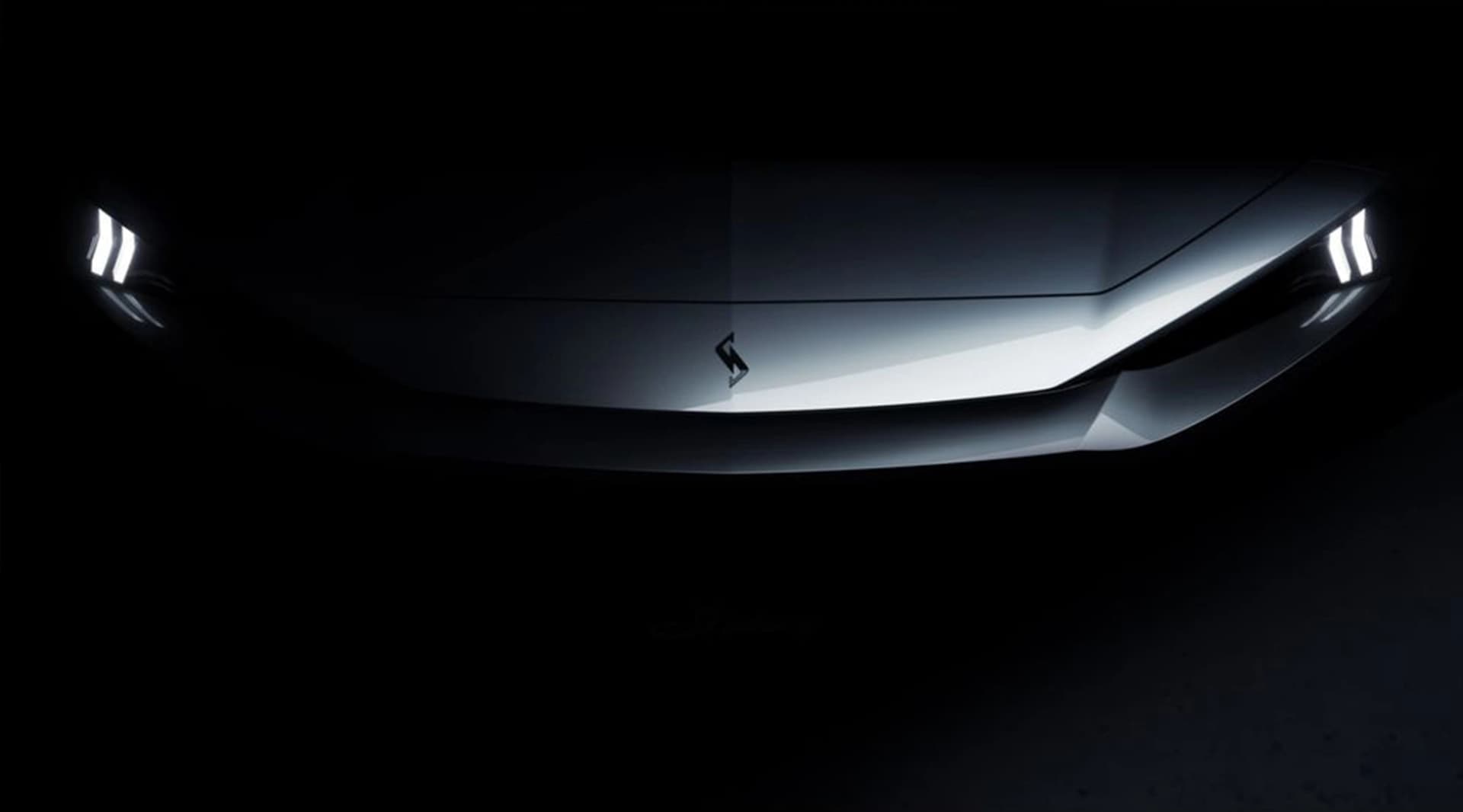
The 14th-generation Skyline, internally the V38, is a sedan built on parts from the current V37 platform, which is part of how the timeline was compressed. It uses a 3.0-litre twin-turbo V6, and a manual gearbox is reportedly on the options list. For reference, the Nismo version of the current car makes around 420 hp and 500 Nm. The design brings back circular tail lights inspired by the classic R30 and R31 Skylines, a deliberate nod to the badge's heritage. Infiniti will get a related performance V6 sedan on the same platform.
Nissan classes the Skyline as a "Heartbeat" model: a car that matters to how people feel about the brand rather than one expected to sell in big numbers. It is due to be revealed in late 2026 as a 2027 model, primarily for the Japanese market in right-hand drive.
AutoNext Take
Cutting development time from 55 months to 26 is the single most important thing Nissan has announced in years, far more significant than any one model. The legacy car industry's biggest weakness against Chinese rivals is not design or technology, it is the glacial pace at which it turns an idea into a showroom car, and Nissan has just shown it can move at nearly double its old speed. That the proof of concept happens to be a Skyline, an emotional, heritage-rich enthusiast car, is the perfect way to make a dry process story land. If Nissan can build cars people love this fast, it has a real future. That is a big if, but it is no longer an impossible one.