Pagani Zonda Cervino: the Zonda refuses to die, and somehow still gets better
Some cars get replaced. The Pagani Zonda gets reborn. Again.
At Fuori Concorso, Pagani is presenting the Zonda Cervino, a one-off creation that shows exactly why the Zonda remains one of the most fascinating hypercars ever built. More than two decades after the original Zonda helped define Pagani as a brand, the model is still not finished. It is still evolving, still being reimagined, and still becoming more valuable as an object of desire.
From existing chassis to one-off artwork
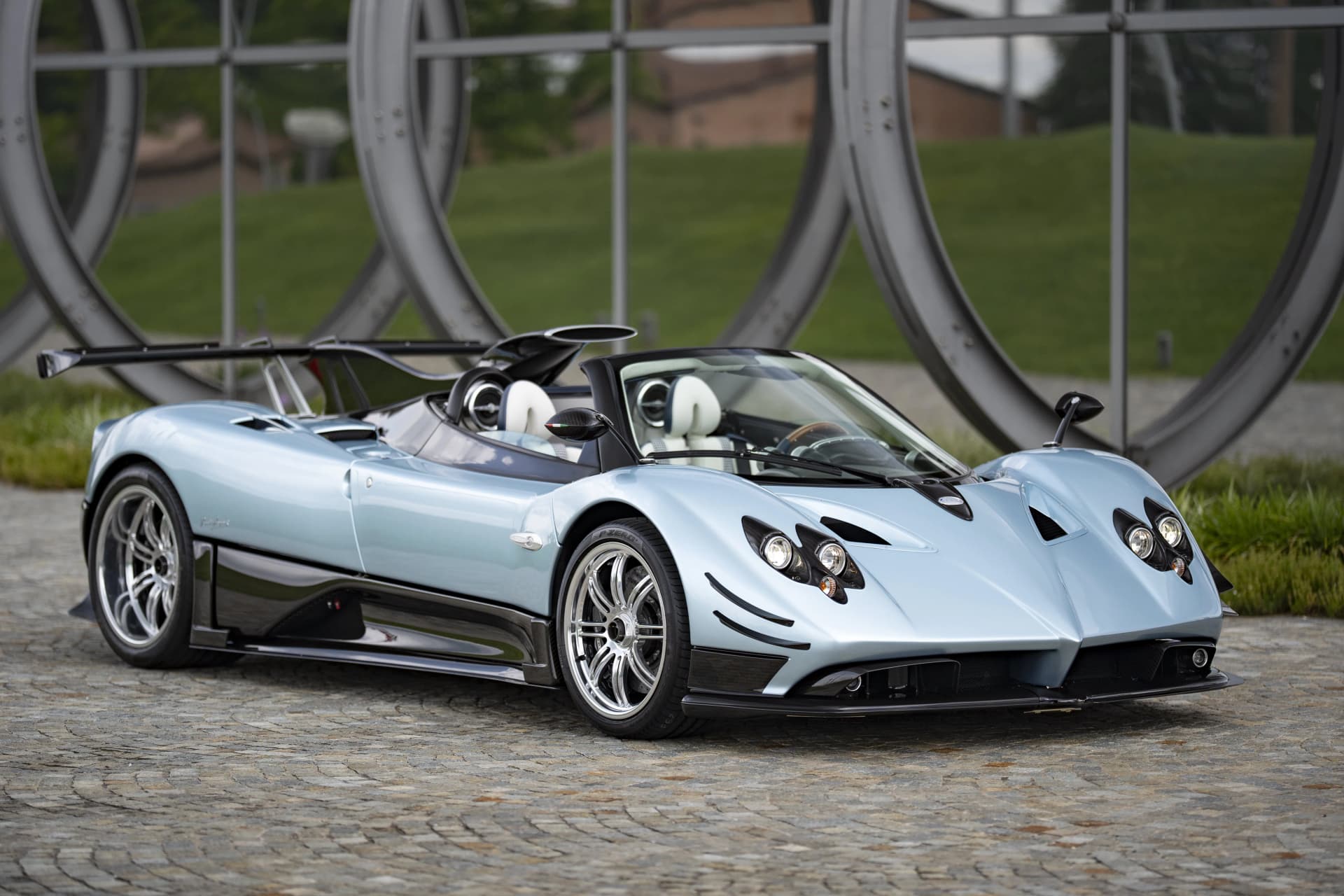
The Zonda Cervino is believed to be based on the Zonda Oliver Evolution Roadster, itself already one of the more extreme and recognisable modern Zonda creations. Reports ahead of Fuori Concorso indicate that the Cervino is a reworked version of that car, now finished in a new two-tone combination of metallic blue and exposed carbon fibre.
Most brands create a model, sell it, replace it, and move on. Pagani treats certain cars almost like living objects. Through programmes such as Rinascimento and Unico, older cars can be preserved, reimagined or completely transformed, depending on the owner’s wishes and the historical importance of the chassis.
A cleaner, more alpine identity
The name Cervino immediately points toward the mountains. In Italian, Cervino refers to the Matterhorn, one of Europe’s most iconic alpine peaks. That inspiration makes sense when you look at the theme of the car: purity, sharpness, exposed material and a more sculptural identity.
Compared with the Oliver Evolution Roadster, the Cervino appears to move away from some of the more aggressive Zonda R-inspired details. The previous rear wing has reportedly been replaced by a less extreme spoiler, while the Zonda R-style rear lights have made way for more conventional round units.
Unico is where Pagani becomes different
This is where Pagani separates itself from most hypercar brands. Pagani Unico is not just about making a car rare. Every Pagani is rare. The real point is co-creation. The customer becomes part of the authorship. The Atelier does not simply ask which colour the owner wants; it builds an identity around the owner’s vision.
That can sound like marketing language. But with Pagani, it is believable because the cars have always felt closer to sculpture than mass production. The materials, exposed mechanisms, visible engineering and obsessive detailing all support that idea. The Cervino is therefore less a “new version” and more a personal chapter in the Zonda story.
A dialogue between eras
Pagani is also showing the Cervino in a wider context, alongside the idea of preserving and transforming its own history. The brand’s Rinascimento programme honours the past by restoring and preserving cars to their original essence. The Unico programme looks in the opposite direction, using an existing chassis to create something entirely personal and technically evolved.
That dual approach is clever. It allows Pagani to protect its history without freezing it. And in the Zonda’s case, that is especially powerful. The Zonda is no longer just a model. It has become a platform for memory, obsession and reinvention.
AutoNext Take
For most manufacturers, keeping a 25-year-old model alive would feel desperate. For Pagani, it somehow feels natural. The Zonda has become less of a product and more of a mythology. Every new one-off adds another chapter, another personality, another reason collectors keep treating the car as something almost untouchable.
The Cervino shows that the Zonda still has room to evolve without becoming irrelevant. It can be modernised without becoming digital. It can become more refined without losing its madness. It can be re-bodied, reimagined and re-authored, yet still remain emotionally connected to the original car that made Pagani famous.