Porsche's new Burmester stereo hides a chip with bigger ambitions
The most important part of the next Porsche is something you will never see
Porsche has just announced a new high-end audio system, and on paper that sounds like the least exciting news the brand could make. Look closer and it is one of the more interesting things Stuttgart has done in a while. Hidden inside the amplifier is a gallium nitride chip, and Porsche is treating your stereo as the first step toward rethinking the power electronics in its electric cars.
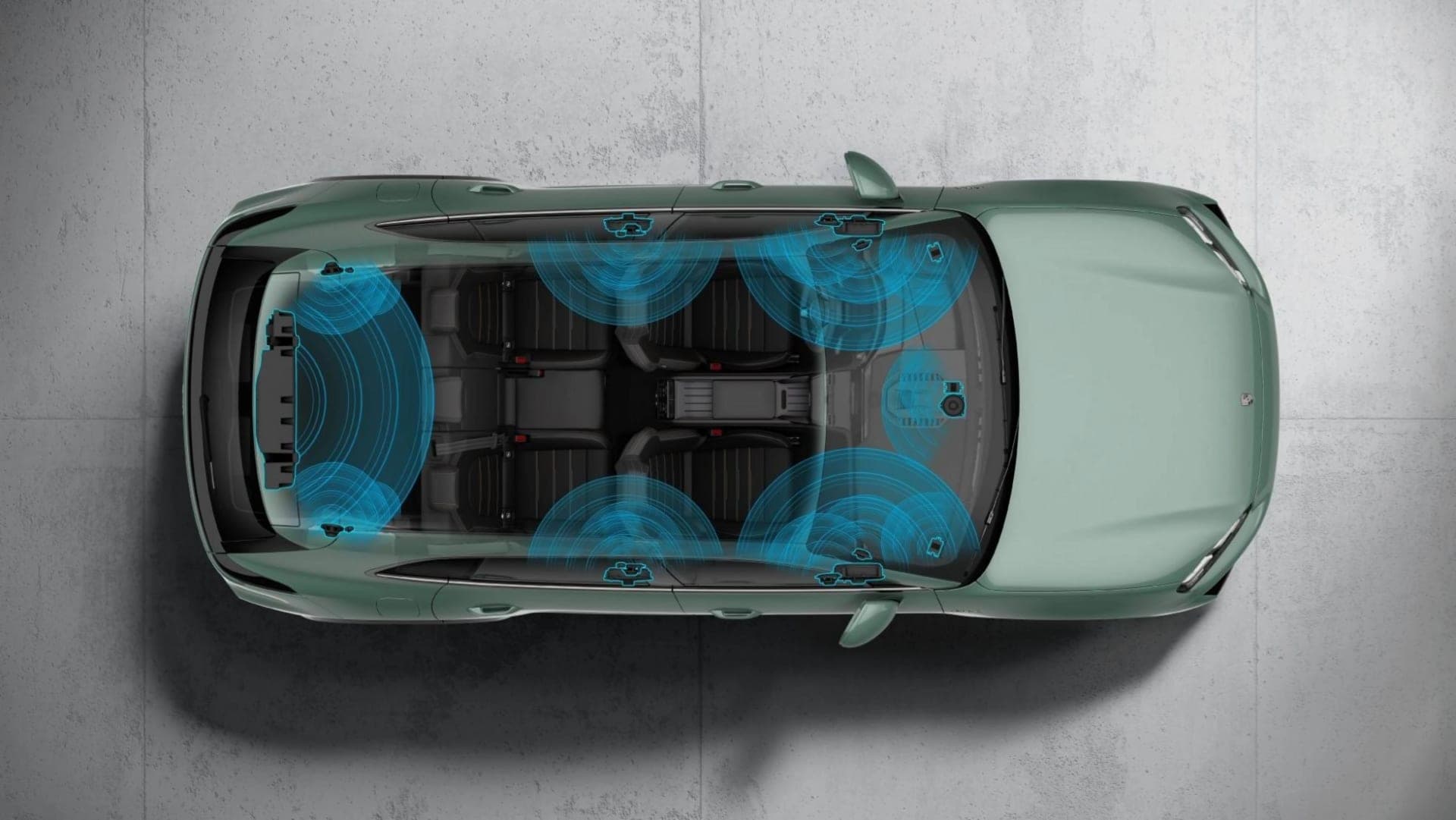
The company says it has built the world's first production-ready high-end car audio system based on gallium nitride, or GaN. It arrives in the Burmester 3D High-End Surround Sound System, which enters series production in 2027. The speakers are the headline. The chip is the real story.
What gallium nitride actually does
Gallium nitride is a semiconductor that does the same job as the silicon in today's electronics, only better. It switches at much higher frequencies with far lower losses, so it wastes less energy as heat. That single trait has a chain of benefits: less heat means less cooling, less cooling means smaller and lighter hardware, and smaller hardware means you can do more in less space.
In the Burmester system the gains are concrete. The heat sink shrinks by around 20 percent in weight, the capacitors and inductors get smaller, and the whole amplifier becomes more compact while a 400-watt subwoofer channel gets stronger. Porsche even points to a green side effect: less aluminium in the heat sink means a lower carbon footprint per car. Porsche developed the system with the University of Stuttgart's Institute for Robust Power Semiconductor Systems, alongside an international chip maker and an audio partner, with the work starting back in 2023 and several patents already filed.
Why a subwoofer is the perfect Trojan horse
Starting with audio is smart. A stereo amplifier is a low-risk, self-contained place to prove a new technology works reliably in a car, survives heat and vibration, and can be built at series-production quality. Get it right there, and you have a proven building block you can scale up. This is where things get interesting, because the same physics that helps a subwoofer is exactly what an electric car craves.
An EV is, at heart, a series of power conversions: battery to motor, charger to battery, high voltage to low voltage. Every one of those steps loses a little energy as heat, and every gram of cooling and casing is weight that eats into range and agility. A semiconductor that runs cooler, lighter and more efficiently is close to a cheat code for the kind of electric sports cars Porsche wants to build.
The real prize is under an electric Porsche
Porsche is not hiding this ambition. It says it is already investigating GaN for power conversion in high-voltage systems, and it points straight at electric sports cars. "The potential is huge, and this is just the beginning. GaN is ideal wherever power is converted," says Dr. Lars Heuken of Porsche's strategic semiconductor management. That is a clear signal that the audio debut is a first move, not the finish line.
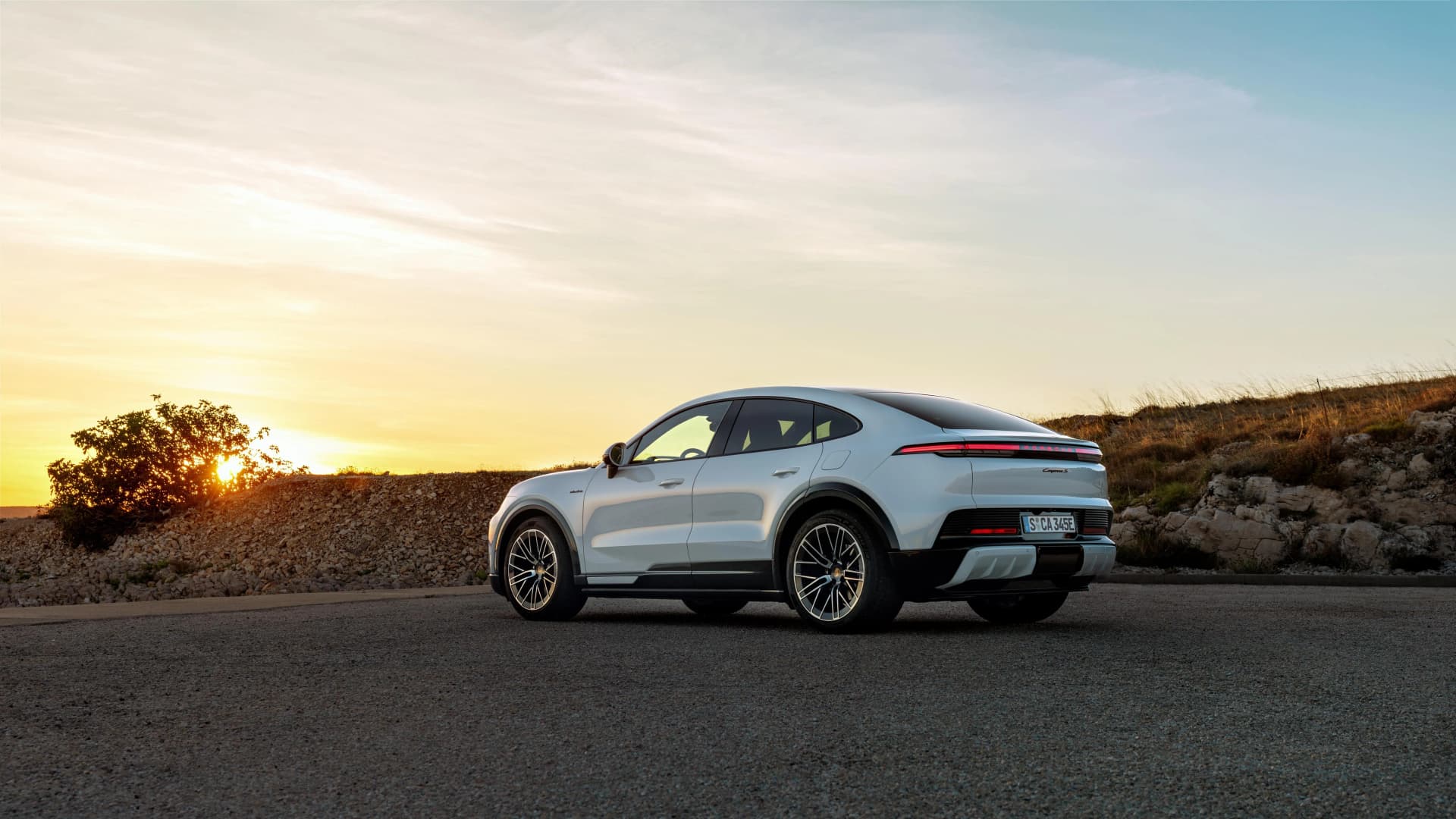
It fits a pattern we have watched closely. Porsche keeps treating its electric sports cars as a technology showcase, whether that is the 1,156 hp electric Cayenne or the software tricks it is baking into the next Taycan. Squeezing more range and less weight out of the power electronics is the least glamorous version of that story, and probably the most important.
Still a study, not a spec sheet
A note of caution is fair. For now, the only confirmed use of GaN in a Porsche is that 2027 audio system, and the brand has not even named which model gets it first. The high-voltage work remains exploratory, with no production EV application announced. This is Porsche laying groundwork in public, not promising a finished result.
AutoNext Take
The clever bit here is the strategy, not the stereo. By hardening gallium nitride in a premium audio system first, Porsche gets to learn the technology at low risk and still put a real product in customers' hands in 2027, all while the true goal, lighter and more efficient EV power electronics, matures in the background.
If it works, buyers will never notice the chip that made their next electric Porsche a little lighter, a little more efficient and a little longer-legged. That is exactly how the best engineering tends to arrive: quietly, and through the side door marked hi-fi.