Porsche confirms the electric 718 is happening, but still won't say if petrol survives
New CEO Michael Leiters ended months of speculation about the electric Boxster and Cayman, calling it the smarter economic bet. He said nothing at all about whether a combustion 718 still exists alongside it
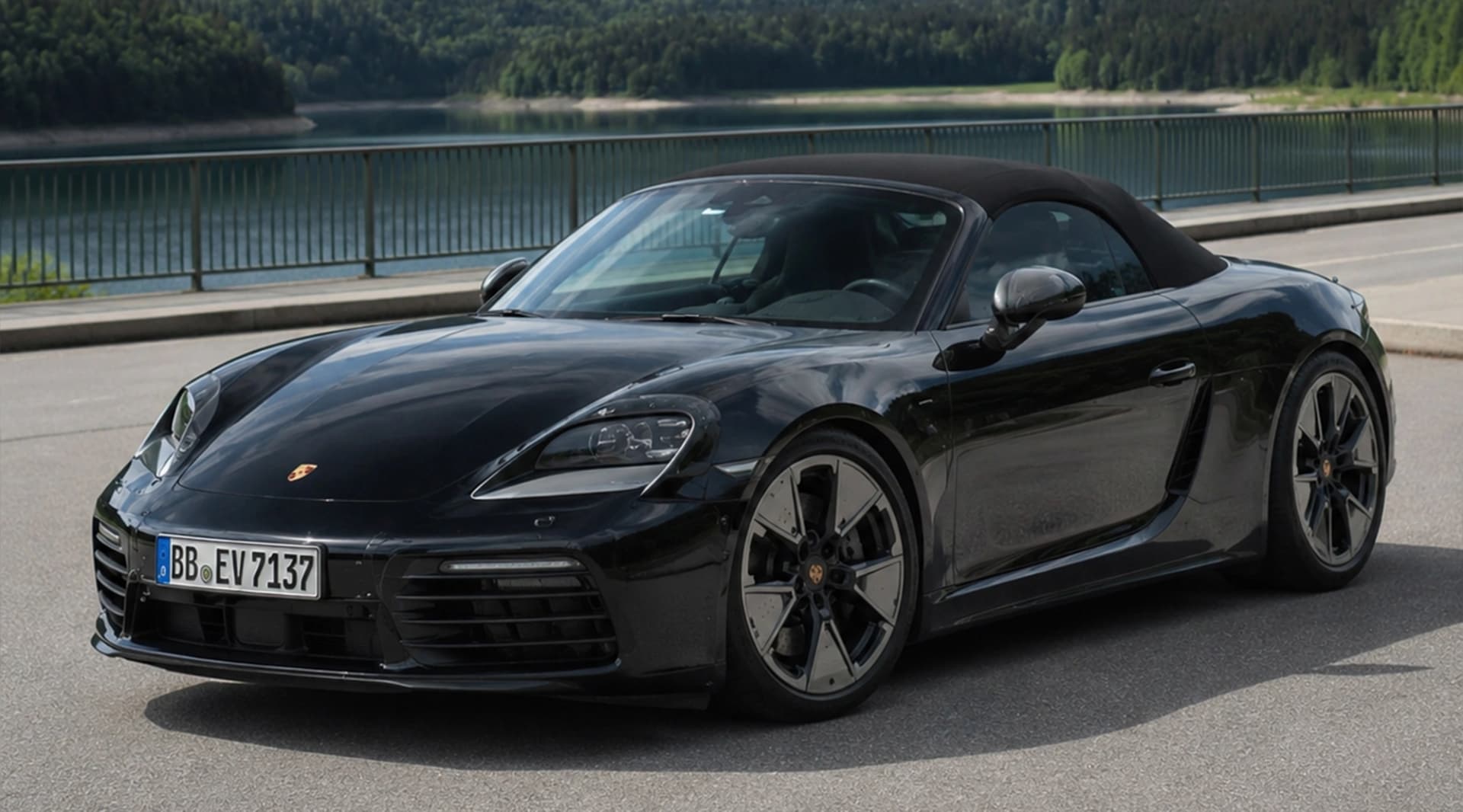
Porsche's new chief executive, Michael Leiters, used a recent round of interviews to confirm that the electric 718 Boxster and Cayman are moving ahead, ending months of reporting that suggested the project could be cancelled entirely. "With the electric 718, we have come to the conclusion that we will build the model, because it is the best solution economically and will be a fantastic car," Leiters said. He did not address the fate of a combustion version in the same comments, leaving that question exactly as unresolved as it has been for the better part of a year.
A platform that has changed direction at least four times
The 718's path has been genuinely volatile. It was originally planned as an EV-only replacement, then shifted to a parallel plan offering both petrol and electric variants, including so-called "top ICE derivatives." Reports in December 2025 suggested Porsche was reverse-engineering the electric platform to fit a combustion engine into it. In February 2026, Bloomberg reported that Leiters himself had considered scrapping the petrol version over delays and cost. Then in July 2026, the German newspaper Bild reported that Volkswagen Group was weighing discontinuing the petrol 718 entirely, as part of a wider cut affecting ten group vehicles. The outgoing 982-generation 718 already ended production in October 2025, so whatever comes next will be the only 718 Porsche has to sell for a while.
AutoNext covered an earlier chapter of this exact saga in May, when spy shots suggested the electric 718 story was far from over.
Why a petrol version, if it survives, is still years away
Even if Volkswagen Group ultimately keeps a combustion 718 alive, it is unlikely to arrive soon. A model reworked this fundamentally needs development lead times measured in years, and given how recently the platform's direction actually settled, serious work on any petrol variant would have only started very early in the process, if a committed programme exists at all yet. The most logical engine, if one does arrive, is the T-Hybrid unit already used in the current 911 GTS and Panamera, a single-turbo six-cylinder hybrid that integrates its electric motor inside the transmission housing rather than relying on a separate belt-driven starter-generator and the usual auxiliary drive components. That compactness matters more here than it would on a conventional layout, since it leaves genuinely more room to work with on a platform originally engineered around a battery and electric motors rather than a combustion engine.
What Leiters actually confirmed, and what he carefully did not
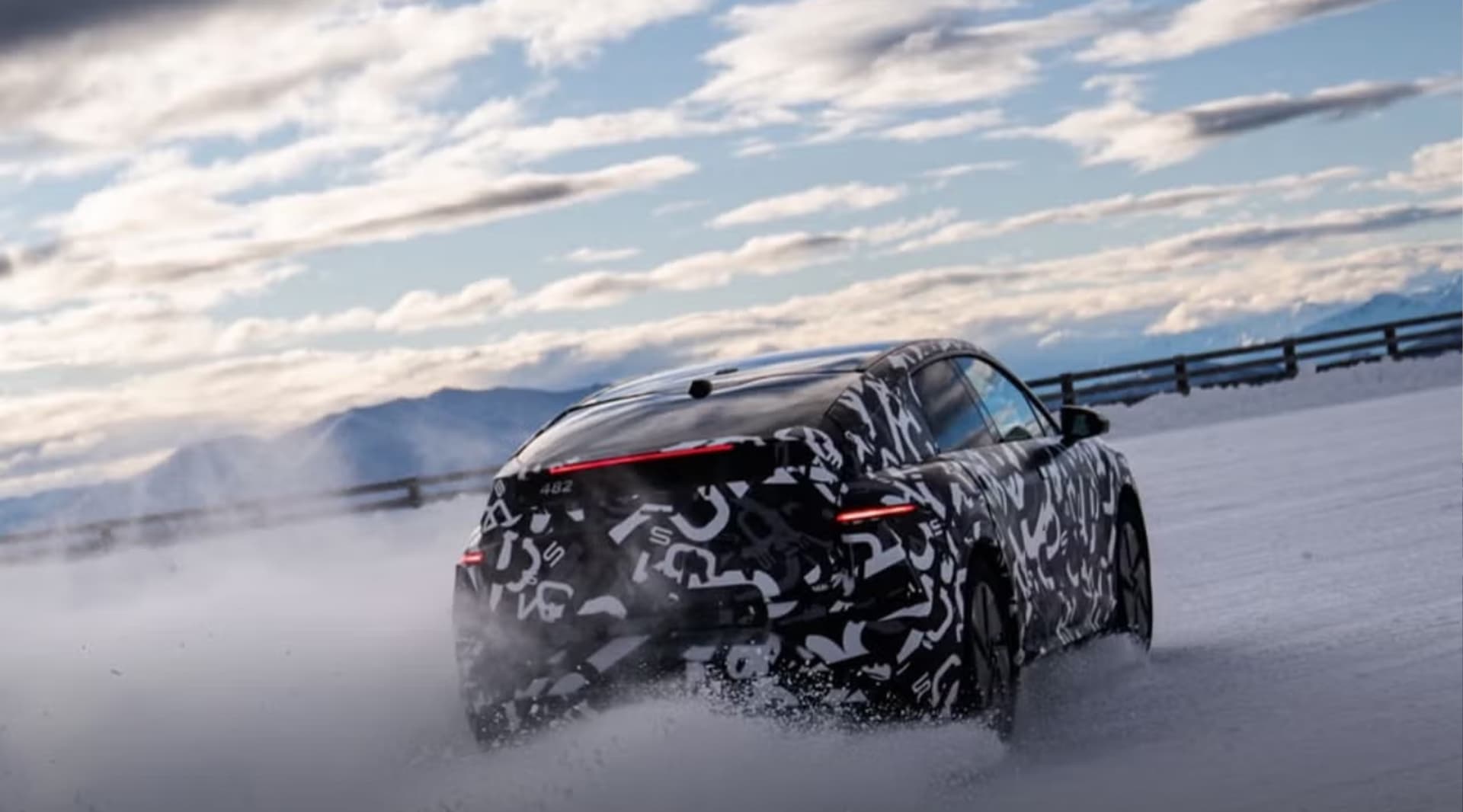
Leiters confirmed the electric version on straightforward economic grounds, and it is reported to share its underlying platform with an upcoming electric Audi TT. He gave no launch date, saying only that more detail on the lineup would come this autumn. He said nothing about the petrol variant in these same remarks, which, after a year of public reversals, is itself a kind of answer. If petrol survival had actually been settled, it would have been the easier line to deliver alongside the EV confirmation, not the one left out entirely.
The Taycan, and Porsche's actual EV numbers
Leiters also ruled out discontinuing the Taycan in the near term. "We do not plan to discontinue the Taycan in the short term. We have invested a lot in the model and want to observe how demand develops," he said, adding that Porsche would trim variant complexity within the lineup rather than the model itself. The context matters here: Porsche sold around 280,000 vehicles in 2025, with only 22.2 percent fully electric and 12.1 percent plug-in hybrid, though European sales performed noticeably better at 33 percent fully electric. Leiters has also pushed publicly for regulatory flexibility on e-fuels, citing slower-than-expected EV adoption across Europe.
That EV share sits inside a broader sales picture AutoNext has tracked closely, with Porsche's overall deliveries continuing to slide across recent quarters.
A flagship above the 911 is also reportedly on the table
Separately, Leiters is said to be exploring a flagship sports car positioned above the 911, floated as one of several future opportunities for the US market rather than a confirmed programme. It is a smaller thread in the same round of interviews, but a telling one: even while defending an electric sports car nobody has fully committed to buying yet, Porsche is already talking about building something further upmarket.
AutoNext Take
Confirming the electric 718 while staying completely silent on petrol is not an oversight from an executive who has clearly learned to choose his words after a year of public reversals. It reads like a deliberate decision to commit only to what he can actually deliver right now, which is a defensible way to manage a story that has already whipsawed enthusiasts through EV-only, parallel petrol-and-electric, petrol-only, and back again.
The more telling detail here might be the sales numbers, not the announcement itself. A company still selling fewer than a quarter of its cars as full EVs, in a segment where a buyer's loyalty to an engine note is close to the entire product, explains exactly why Porsche keeps hedging on this one nameplate rather than committing outright either way. Until Leiters actually says the word petrol in relation to the 718, the honest reading is that nobody, quite possibly including Porsche itself, has fully decided yet.