Porsche will sell manual 911s until the law makes it stop, and it just proved it
The manual gearbox is not dying of natural causes, and Porsche wants you to know who to blame.
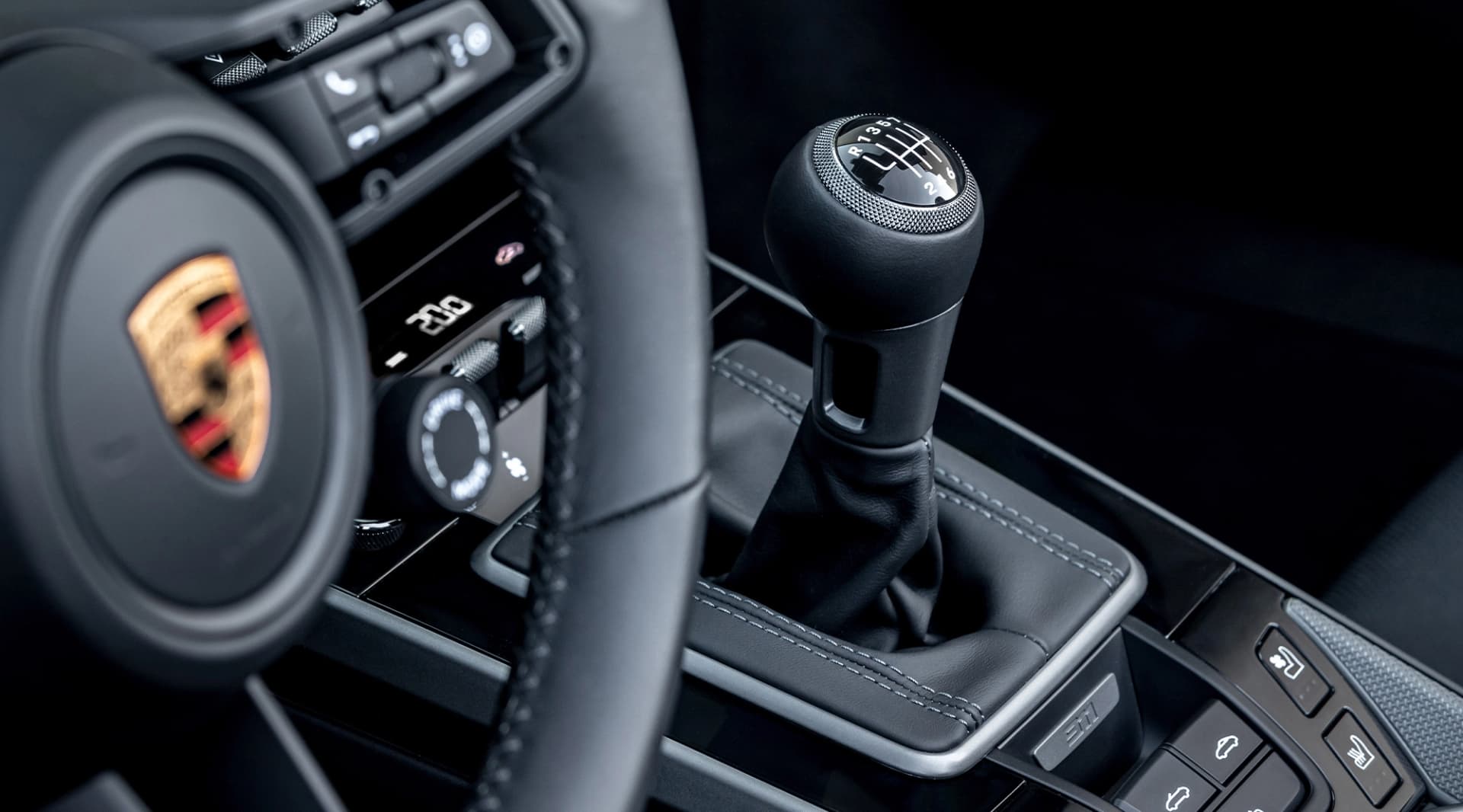
Porsche has given the clearest commitment yet to the manual gearbox, promising to keep selling three-pedal cars until legislation makes it impossible. Speaking at Monterey Car Week, Porsche Cars North America CEO Timo Resch said the brand would offer manuals “as long as we are legally allowed to, and as long as there's customer demand,” and that Porsche expects that demand to last well into the next decade. It is not just talk, either, because the manual has just returned to one of the 911s that mattered most.

What Porsche actually said
Resch's phrasing is deliberate. By tying the manual's survival to what is “legally allowed,” Porsche is framing the gearbox as something it wants to keep and that only outside forces can take away. That is a subtle but pointed message to enthusiasts: the manual is not being quietly dropped for cost or fashion, it is being defended, and if it disappears it will be because a regulator ended it rather than because Porsche lost interest. For a brand that has built much of its identity on driver engagement, that is a stance worth making loudly.
The proof is a returning manual Carrera S
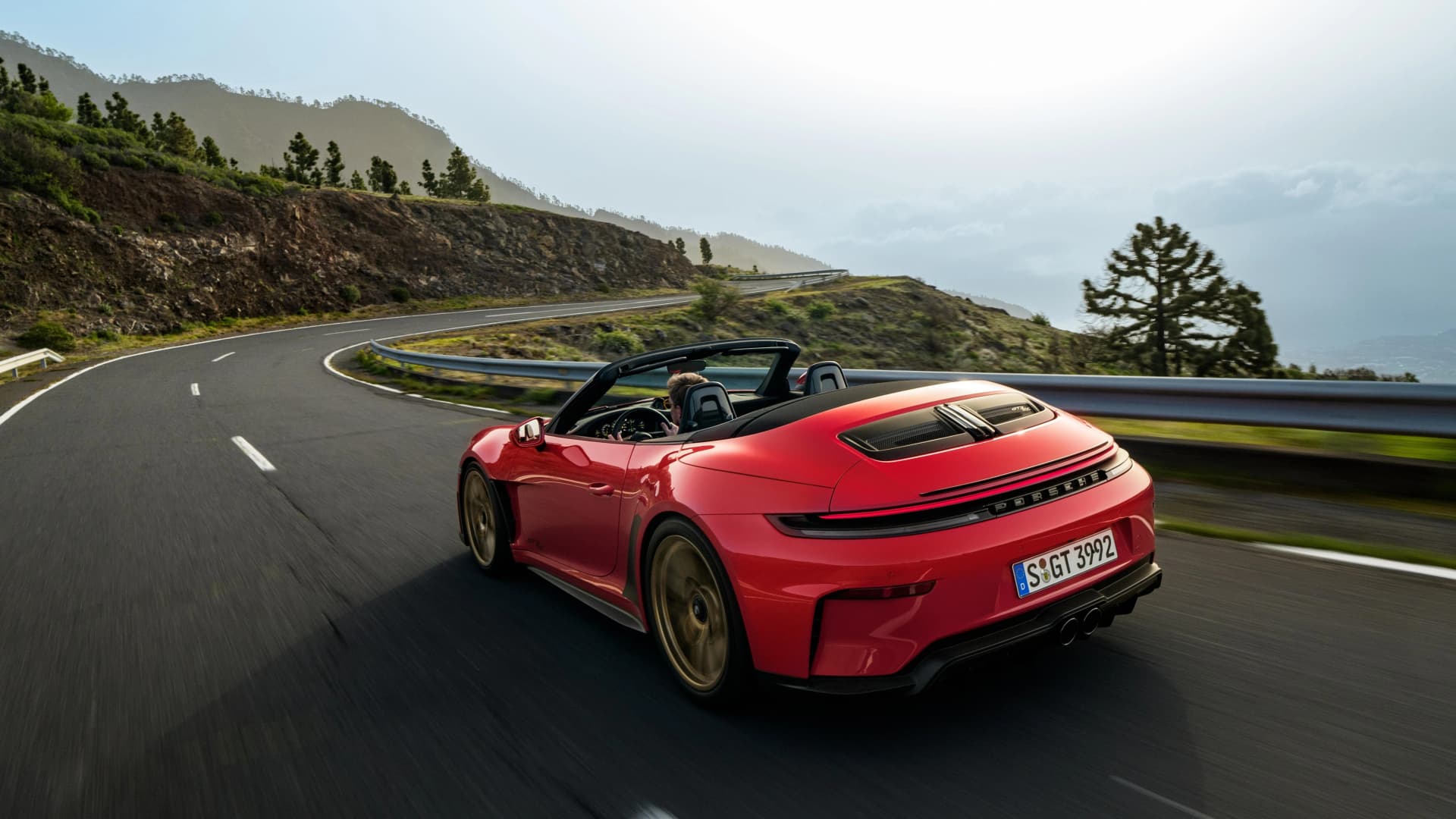
Words are easy, so the timing matters. Porsche made this commitment just after confirming a six-speed manual for the 2027 911 Carrera S, a North America market option paired to the car's twin-turbo flat-six of around 480 hp. That brings the manual 911 line-up to seven configurations, spanning the Carrera S coupe and cabriolet, the Carrera T coupe and cabriolet, and the GT3 in coupe and Touring forms. Demand is real, not sentimental: around 80 percent of GT3 Touring buyers choose to row their own gears. This is a company reading its most engaged customers correctly.
The threat is real, and closer than you think
The “until it is outlawed” framing is not scaremongering. The manual has already run into regulation in the United States, where the GT3 was briefly unavailable in some states over technical compliance rules before the issue was resolved. More broadly, the growing list of mandatory driver-assistance systems is written with automatics in mind, and every new safety and emissions requirement makes a three-pedal car harder and costlier to homologate. The manual is not banned, but the regulatory net is tightening around it, one rule at a time.
But Porsche is squeezing the manual too
Here is the part the headline commitment glosses over. Porsche's own technology is closing doors the law has not touched yet. The 911 GTS and its T-Hybrid system are fundamentally incompatible with a manual, because one electric motor sits inside the PDK gearbox and another on the turbocharger, so the hybrid ships only with the eight-speed automatic. As Porsche electrifies more of the range to meet those same emissions rules, the manual quietly becomes impossible on more models, regardless of what any government does. The threat to the manual is not only legislative. It is partly Porsche's own roadmap.
AutoNext Take
Give Porsche real credit here. Plenty of manufacturers have dropped the manual with a shrug and a line about take rates, and Porsche is instead engineering to keep it, backing the words with a returning Carrera S manual and a GT3 that most buyers still order with a stick. That is a genuine commitment to the way its cars are meant to be driven, and it is exactly the sort of thing that keeps the purist end of the 911 range special.
The honest reading, though, is that the manual faces two threats and Porsche is only pointing at one of them. Regulators are a real danger, but so is Porsche's own march toward hybrids and EVs, which has already made the manual impossible on the T-Hybrid GTS. The manual will survive exactly as long as Porsche keeps deliberately engineering cars that can take one, the way it does with the GT3, and no longer. So enjoy it while it lasts, and take heart that when even hypercar makers are still building manuals, the appetite is clearly not going anywhere. The will to keep building them is the part worth watching.