Porsche sells its consultancy to Tata, then signs up as a customer
Porsche has just sold the company it used to send in when everyone else's software went wrong
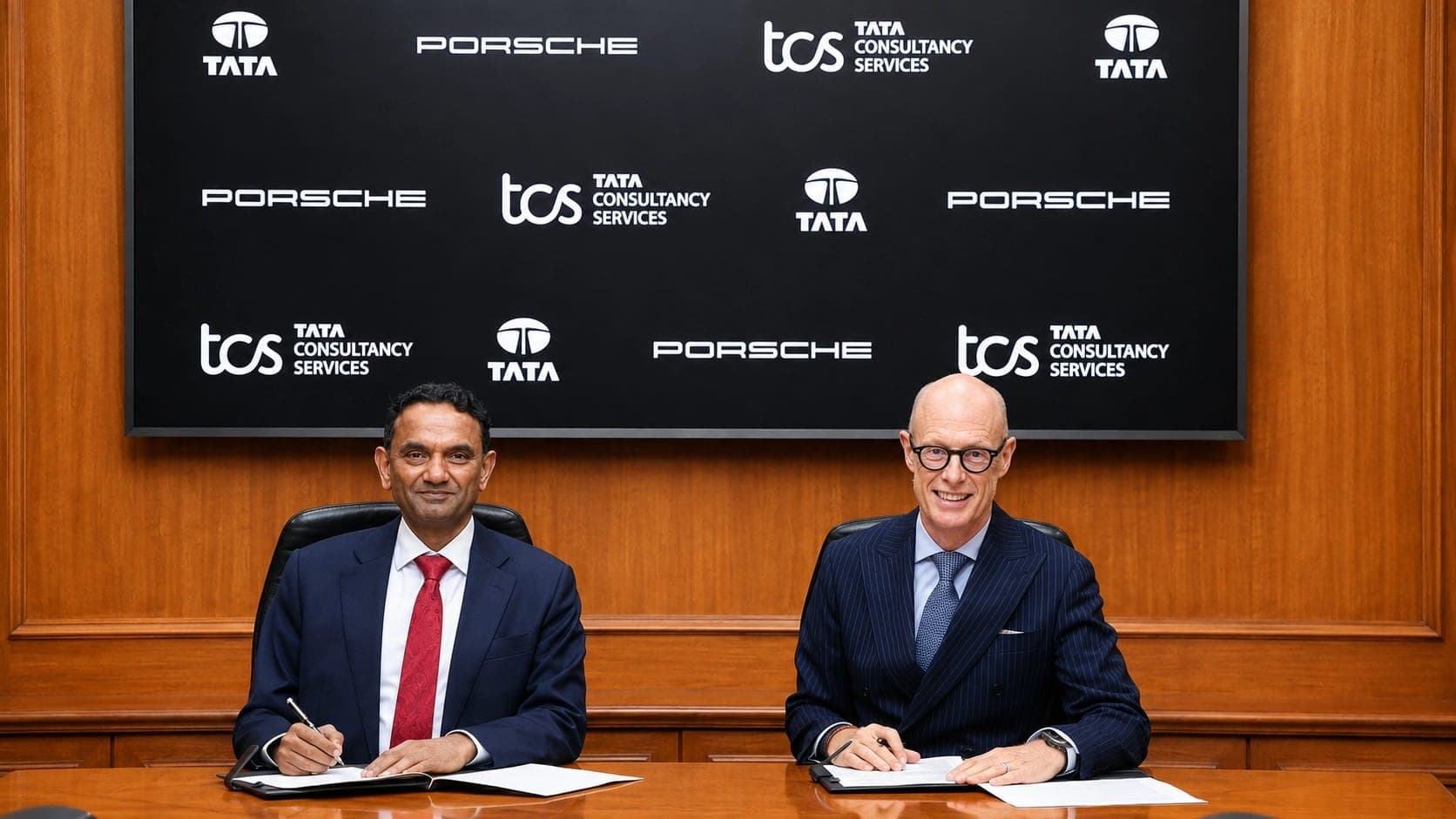
Porsche is selling MHP, the management and IT consultancy it has owned for years, to Tata Consultancy Services. In the same announcement it signed a strategic partnership with TCS to push artificial intelligence through its engineering, manufacturing, operations and customer experience. Read those two things together and the direction is obvious. Porsche is not retreating from software, it is retreating from owning the people who write it.
What MHP actually is
MHP is no side project. Based in Ludwigsburg just north of Stuttgart, it employs more than 4,500 people worldwide and has been consulting for over 30 years, well beyond the car industry: manufacturing, aerospace, defence, energy and the public sector all appear on its client list. Its specialities read like a list of every problem a modern carmaker has, from IT transformation and software-defined manufacturing to supply chains, cybersecurity and AI. Under TCS it keeps its name and continues as an independent consultancy.
Selling an asset, signing a bill
Porsche has published no financial terms of its own, and the sale still needs the usual regulatory and competition clearances before it closes in the coming months. The enterprise value has been widely reported at around €320 million, alongside a separate five-year AI partnership in the region of €1.25 billion, though Porsche has confirmed neither figure. If those numbers hold, the arithmetic is striking: a one-off payment for a business Porsche built, followed by years of spending with the company that bought it. A division that earned revenue becomes a line item that consumes it.
Why now
The timing explains itself. Porsche has spent 2026 shrinking. Sales fell in the first half while the 911 propped up the range, further job cuts and a restructuring plan running to 2035 have been confirmed, and the mood across the Volkswagen Group is bleak enough that Oliver Blume has called the situation more than critical. Selling a profitable but non-core consultancy is exactly what a company does when it needs cash and focus at once. Executive Board Chairman Michael Leiters framed it around capability, saying Porsche's automotive expertise combined with the digital technology and AI of TCS will strengthen its innovative power.
The software problem underneath
There is a longer story here. German premium brands have spent a decade learning that building a car is not the same as building the software that runs it, and the Volkswagen Group has paid for that lesson more publicly than most. Delays, patchy infotainment and expensive in-house programmes hardened into a structural weakness rather than a passing one. Handing the AI work to a specialist is an admission that the in-house model was not delivering fast enough, and a bet that a company which does nothing else will do it better.
AutoNext Take
This is the least glamorous kind of car news and one of the most revealing. A brand that sells its identity on engineering pride has decided that the engineering it now needs most is not worth owning. That is a rational call, and it is also a quiet admission about where the hard problems in this industry have moved. Nobody buys a Porsche for its consultancy, but plenty of people will judge one on its software.
The thing to watch is not the money, it is the dependency. Porsche can still build a flat six better than almost anyone and it will keep doing exactly that. But the software layer is what customers will judge the next Macan, Cayenne and 911 on, and Porsche has just made that layer somebody else's core competence. Get the partnership right and nobody remembers this week. Get it wrong and Porsche has outsourced the one thing it cannot afford to be second best at.