The boss of Europe's biggest carmaker just called its situation 'more than critical'
When the head of Volkswagen sounds this alarmed in public, all of European car-making should listen
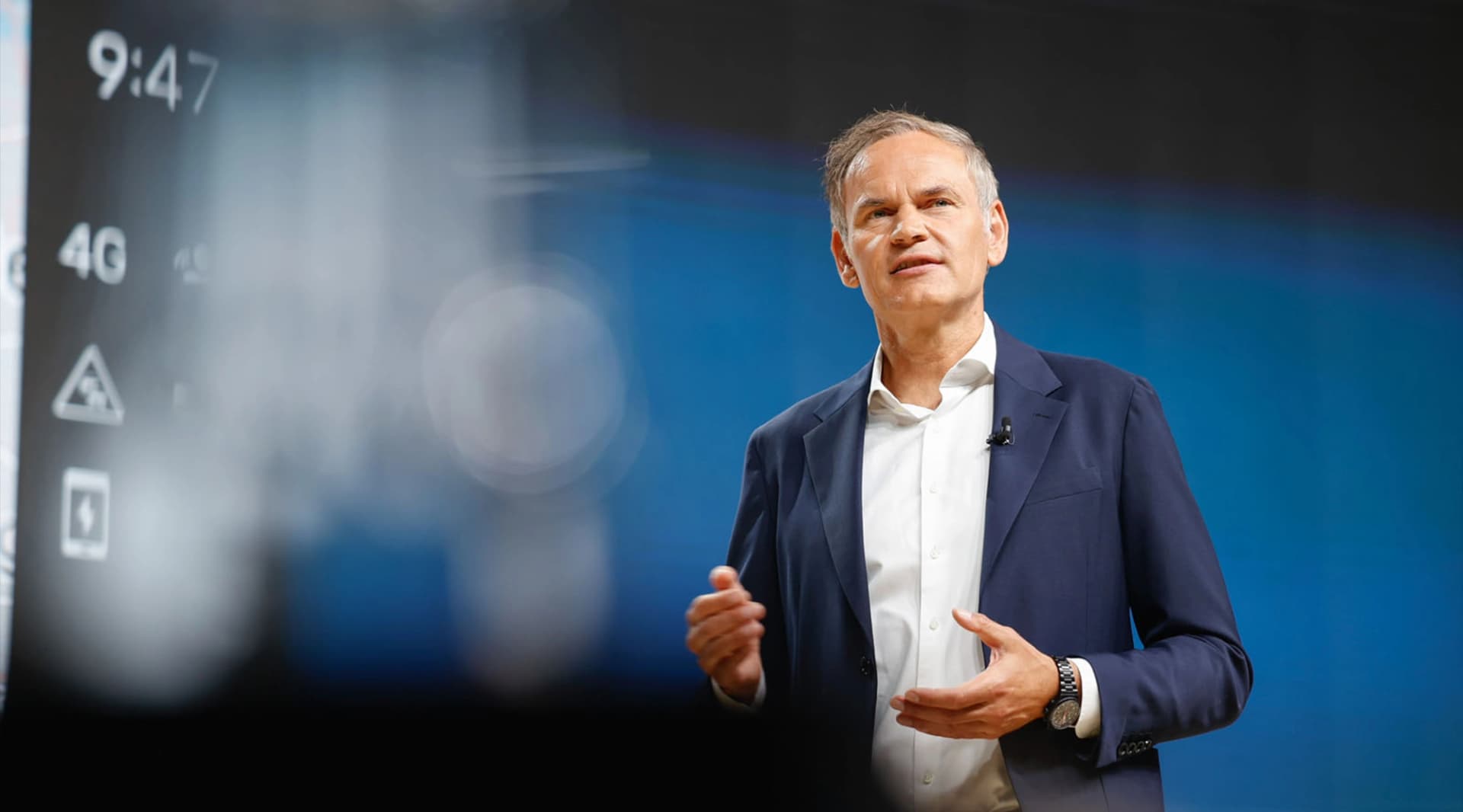
Company bosses are trained to project calm. So when the chief executive of Europe's biggest carmaker stands up and calls his own company's position "more than critical", it is worth stopping to take it in. That is exactly what Volkswagen's Oliver Blume has just done, warning that the group faces the biggest upheaval in its history. VW is not just any company on this continent; it is the industrial heart of it, and when it hurts, everyone around it feels it.
The words a CEO does not use lightly
Blume did not soften it. He described the situation as "more than critical", said the risks "will get worse, worldwide", and framed the coming cuts as a fight for survival rather than mere housekeeping. The trigger is money: Volkswagen's profit margin has slipped below 4 percent, which he admits is "by no means sufficient" to fund the new technologies, products and factories the company needs for the future. In an industry that has to spend billions just to stand still, thin profits are not an inconvenience, they are an existential threat.
The numbers behind the alarm
The hard figures explain the panic. Blume says Volkswagen's overhead costs are more than 30 percent higher than those of comparable rivals, a gap that simply cannot survive in a price war. To close it, the group has floated cutting around 50,000 jobs, a figure it stresses is a guide to the scale of change required rather than a fixed target, and some 37,000 of those have already been agreed. On top of that, VW is building around 500,000 more cars a year in Europe than it can sell, and four German plants are reportedly on course to be unprofitable by the 2030s. It is the background to the sweeping job cuts already on the table.
China was the golden goose, now it is the wound
At the centre of all this sits China. For two decades the Chinese market was Volkswagen's cash machine, funding everything else. That engine has now gone into reverse: VW's deliveries there are at their lowest since 2011 and fell a further 31.6 percent in the first half of this year, as homegrown electric brands demolish the market share German giants once took for granted. Losing China is not one problem among many for Volkswagen, it is close to the whole problem, and there is no quick way to win it back.
A workforce in revolt
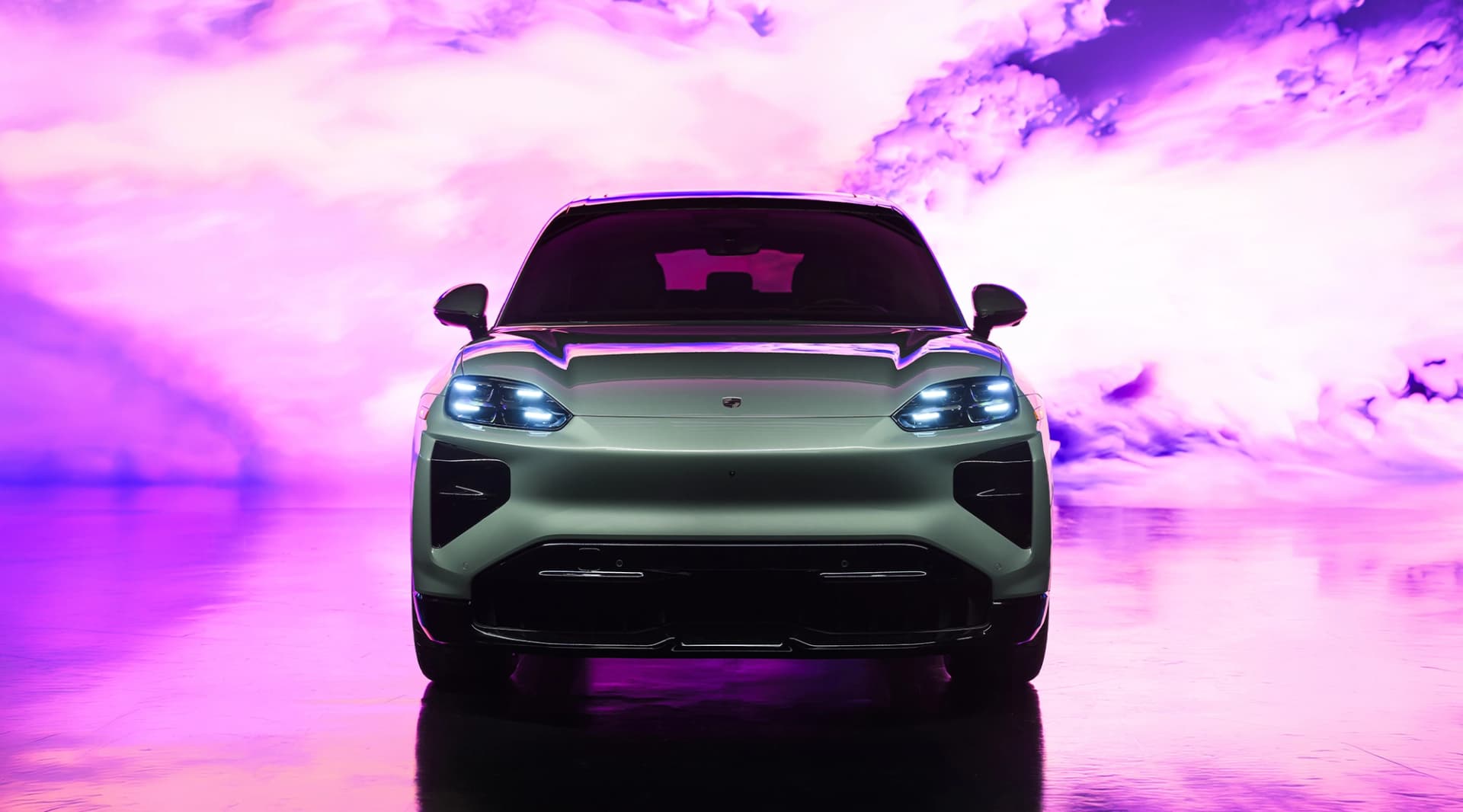
None of this is landing quietly. The powerful IG Metall union, led by Christiane Benner, has condemned management, and workers have blasted what they call "disastrous communication" over the cuts. Plant closures are officially a last resort, with VW even exploring defence-sector uses for its Osnabrueck site, but the plan is not yet approved: the supervisory board has held off, and the state of Lower Saxony, which owns 20 percent of the company, is reportedly withholding its blessing. And VW is not suffering alone, with Porsche, normally the group's profit engine, also sliding and even BMW cutting thousands of jobs of its own.
AutoNext Take
Blume is right to sound the alarm, and brave to do it out loud rather than bury it in a results statement. Pretending everything is fine is how companies sleepwalk into decline, and the diagnosis here is honest: costs too high, China gone cold, profits too thin to buy a future. The uncomfortable truth is that these are not really Volkswagen problems, they are European problems, the same mix of Chinese competition, tariffs and an expensive, half-finished electric transition that is squeezing every carmaker on the continent.
The danger now is that everyone agrees the patient is critical except the people who must sign off the treatment. Unions, regional politicians and a supervisory board all have a say, and all have reasons to resist. Volkswagen has survived a century of upheaval, but rarely a moment when the problem was this clear and the will to act this contested. How Wolfsburg resolves that standoff will tell you more about the future of European car-making than any glossy new model launched this year.