Porsche slows Taycan production at Zuffenhausen factory
Porsche is slowing production at its historic Zuffenhausen plant.
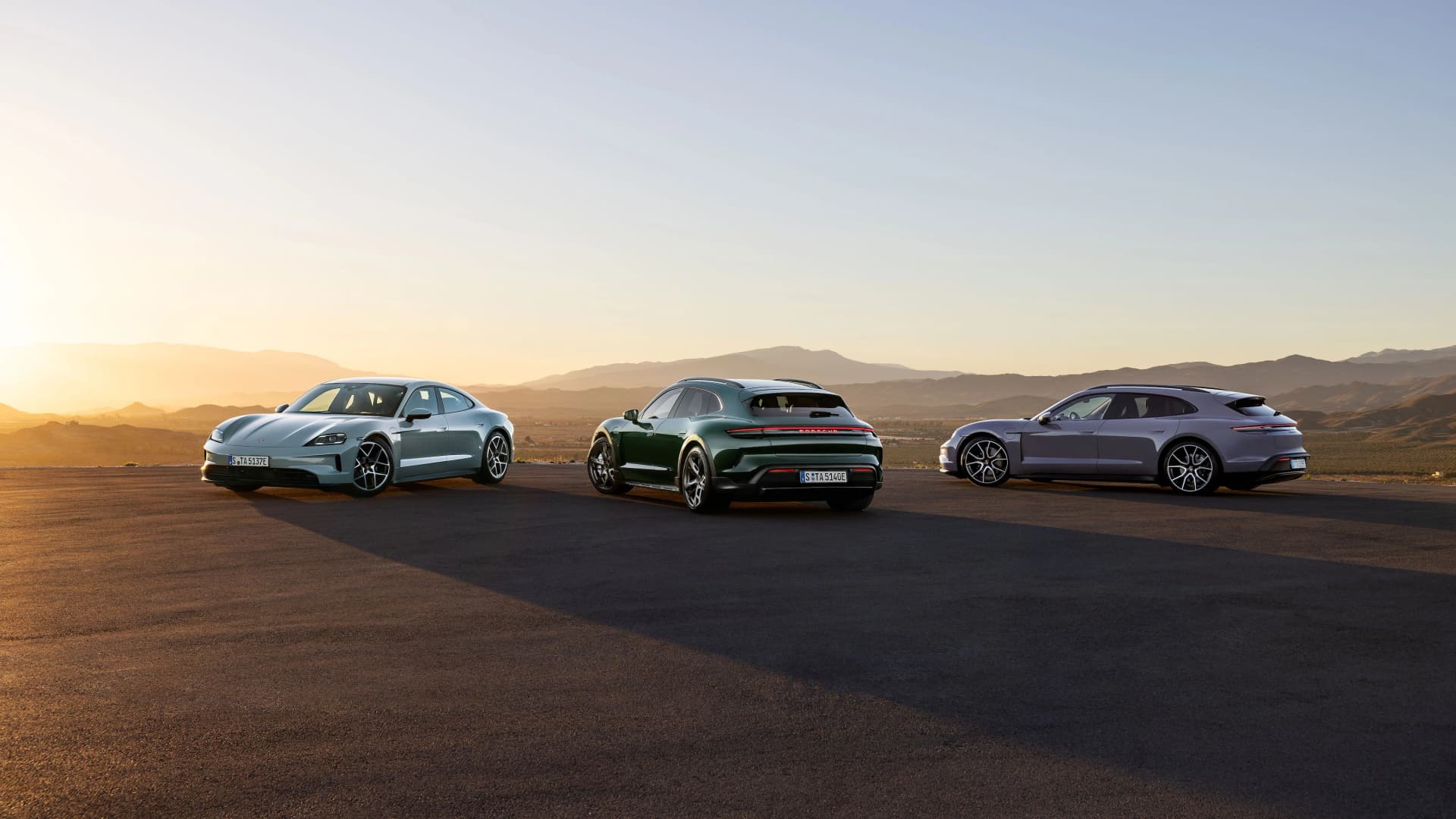
According to German media, Porsche is temporarily interrupting parts of production at its main Stuttgart-Zuffenhausen factory, where the Taycan is built alongside icons like the 911. Porsche officially points to natural order-book fluctuations, maintenance and modernisation work, while also saying production is being aligned with demand to avoid building unwanted stock.
The numbers explain the mood
In the first quarter of 2026, Porsche delivered 60,991 vehicles worldwide, a decline of 15 percent versus the same period in 2025. The Taycan recorded 3,420 deliveries, down 19 percent, while China dropped 21 percent to 7,519 vehicles. Porsche’s own statement also highlighted the 911 as a bright spot, with deliveries up 22 percent in the same quarter.
The 911 is still doing exactly what Porsche needs it to do: carry desirability, margin and brand identity. The Taycan, meanwhile, is fighting in a much harder part of the market.
Premium EV demand is no longer moving in one clean upward line. Especially in China, Porsche is facing local brands with aggressive pricing, advanced digital ecosystems and a much sharper understanding of what luxury EV buyers now expect.
Global Porsche BEV sales shows the pattern clearly
There was a major spike in Q4 2024, helped by the electric Macan ramp-up, followed by a visible decline through 2025 and into Q1 2026. That does not mean Porsche’s EV story is collapsing, but it does show how uneven the transition has become. This is the danger of treating EV growth as automatic.
The first wave is driven by excitement, early adopters, tax incentives and launch momentum. The second wave is harder. It needs competitive pricing, software, charging confidence, residual values and a reason for normal premium customers to switch.
Zuffenhausen makes the story symbolic
Zuffenhausen is Porsche’s emotional centre. It is tied to the 911, to sports car production and to the brand’s post-war story. Porsche has been investing heavily in the site, including a major €250 million upgrade to prepare for mixed production of combustion and electric sports cars on the same traditional line.
That is why the Taycan slowdown feels bigger than a simple production adjustment. It shows the pressure of balancing Porsche’s electric future with its combustion-engine present. The brand cannot ignore EVs. But it also cannot force demand that is not there, especially at luxury pricing.
China is the real warning light
For years, China was the growth engine for German premium brands. Now it is becoming the toughest test. Local EV makers are no longer cheap alternatives; they are tech-driven, fast-moving and increasingly credible. They understand screens, connectivity, driver assistance, pricing and local luxury codes better than many European brands.
For Porsche, that is uncomfortable. Because Porsche has always operated on desirability, engineering and pricing discipline. It does not want to chase volume with discounts. But in China’s current EV market, value perception moves brutally fast.
AutoNext Take
This is not the end of the Taycan. But it is a reality check. The Taycan remains one of the best-driving electric cars ever made. It still feels like a Porsche in a way very few EVs manage. But even a great car can struggle when pricing, demand, competition and customer psychology shift at the same time.
The Taycan proved Porsche could build an electric car properly. Now Porsche has to prove it can sell electric cars sustainably, without losing the soul (or the margins) that made the brand untouchable in the first place.