Range Rover brings back buttons for 2027 and that says more than you think
Range Rover has quietly admitted something many drivers already knew. Buttons still matter.
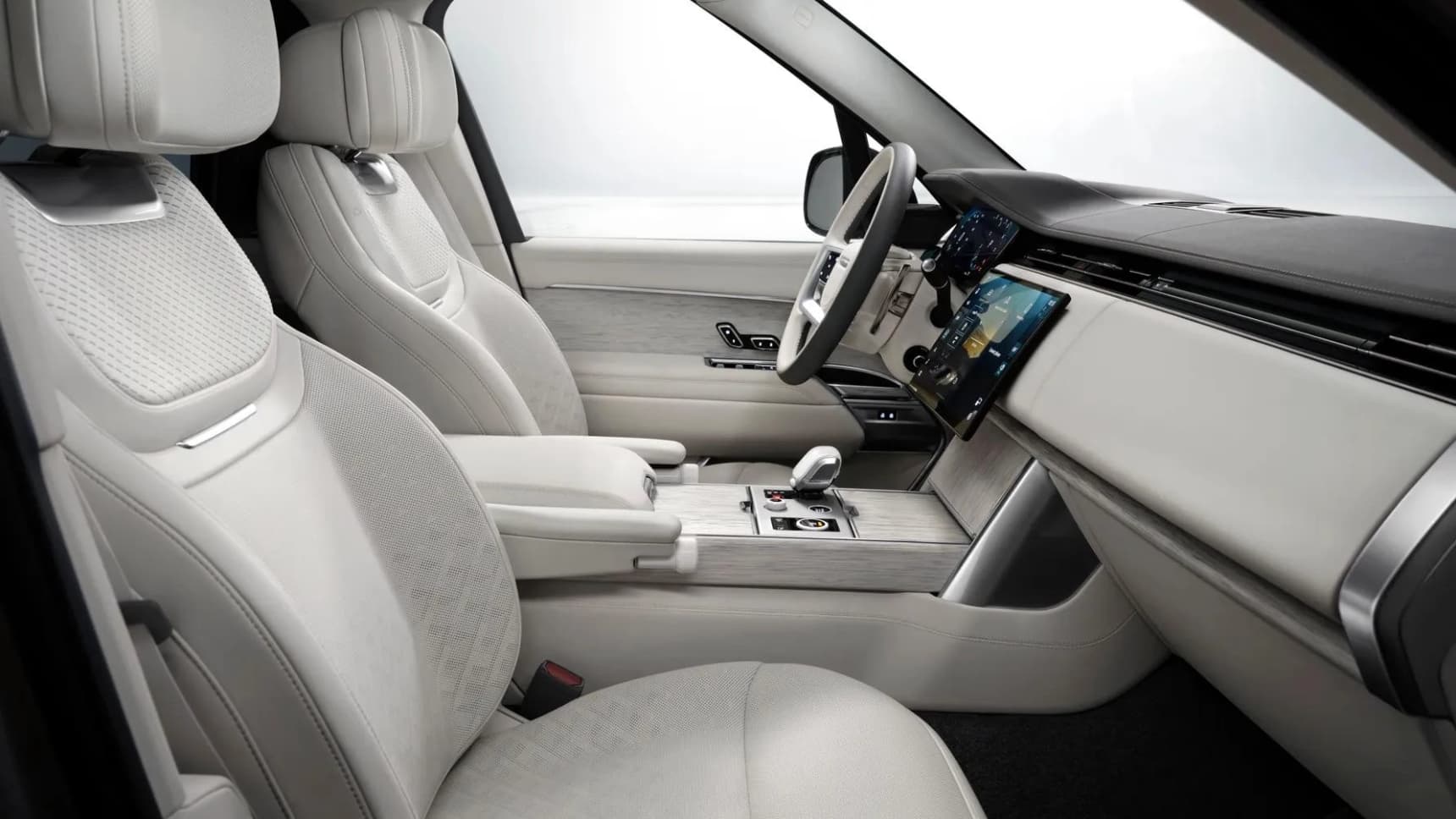
For the 2027 model year, the Range Rover is bringing back physical controls to the centre console, including a volume knob and a Terrain Response controller. It may sound like a small interior update, but it says a lot about the wider direction of modern car design.
The touchscreen experiment went too far
When the current fifth-generation L460 Range Rover arrived, it originally kept a cleaner but still usable mix of digital and physical controls. Early versions had physical climate controls and rotary elements in the centre console, giving the cabin a calm but functional feel.
Then came the more extreme screen-first approach. For recent model years, Range Rover moved more functions into the central touchscreen. Visually, that made the interior look cleaner. Technically, it made the cabin feel more modern. But practically, not everyone loved it. Especially not in a car that can cost well into six figures.
Volume and Terrain Response return
For 2027, the physical volume knob and Terrain Response controller are back. The volume knob is one of those controls that should never have disappeared from any car. It is simple, fast and intuitive. You can use it without looking. You can adjust it by feel. It works with gloves. It works when the road is rough. It works when the passenger wants to turn the music down before you even finish your sentence.
The return of a physical Terrain Response controller is even more important for Range Rover. Terrain Response is central to the brand’s identity. It is not just another menu setting. It represents the whole idea that a Range Rover can be both a luxury car and a proper off-road tool.
Climate knobs are still missing
There is one caveat. The return of physical controls does not appear to mean a full return to the old climate-control layout. Climate functions are still expected to remain largely screen-based, which means Range Rover has not gone all the way back.
That is slightly frustrating. Temperature and fan speed are exactly the kind of controls that benefit from physical hardware. They are used often, they need to be adjusted quickly and they should not require visual concentration.
A wider industry correction
Range Rover is not alone here. Across the industry, several manufacturers are starting to rethink the all-screen obsession. Hyundai and Genesis have openly discussed the need to bring back physical controls for key functions. Volkswagen has faced criticism over touch-sensitive sliders and screen-heavy controls.
Even premium brands are slowly realising that digital minimalism is not always the same as good ergonomics. The reason is simple. Cars are not smartphones. A phone is used in your hand while standing still. A car is used at speed, in traffic, in bad weather, on uneven roads and under pressure. That changes everything.
AutoNext Take
It proves that the most luxurious solution is not always the most digital one. Sometimes, luxury is simply being able to turn up the music without aiming at a touchscreen. Sometimes, capability is being able to change terrain settings with your fingers instead of hunting through a menu. Sometimes, progress means admitting that an old solution was better. That is not embarrassing. That is mature.
Range Rover should never feel like a tablet on wheels. It should feel like a beautifully engineered luxury SUV that understands how people actually drive. Bringing back the volume knob and Terrain Response controller is not revolutionary, but it is correct.