Renault's Kwid costs €4,100 in India and €11,850 in Brazil
The Renault Kwid is the same car everywhere, which is what makes it useful
Renault has just facelifted the Kwid for Brazil, and the interesting part has nothing to do with the new bumper. This is the petrol twin of the Dacia Spring, riding on a platform from 2015 and sold on three continents with the same three-cylinder engine. Strip away the trim and what is left is a clean measurement of what a tax code does to a sticker price.
The 2027 Kwid gets a 10.1-inch screen and keeps its 2015 platform
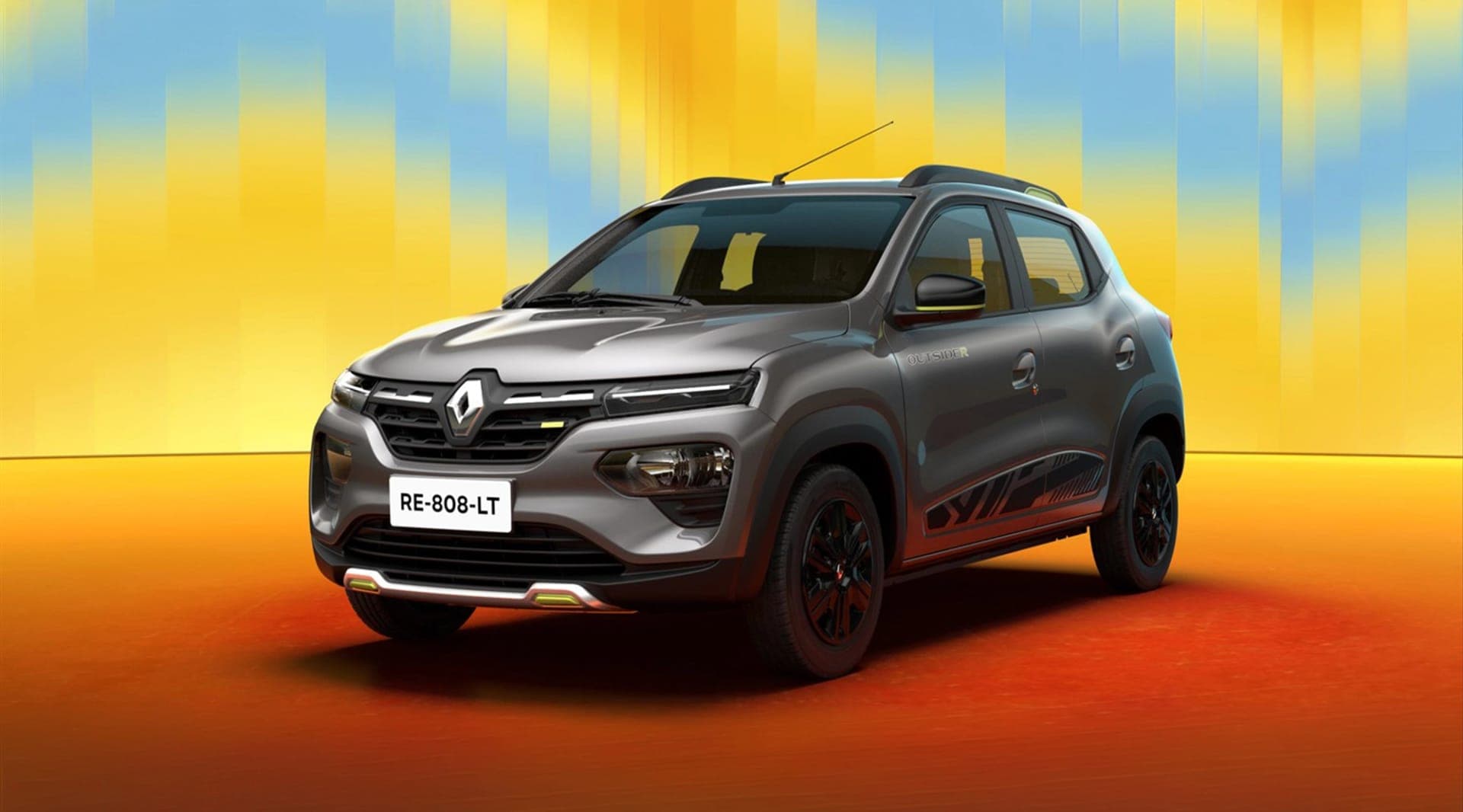
The facelift is cosmetic above the sills and untouched below them. Renault has redrawn the front bumper with heavier cladding, slimmed the grille, added a skid plate and carried over the split headlights. Inside, a 10.1-inch touchscreen sits above a 7-inch digital cluster, the climate vents have moved and the steering wheel wears the current Renault emblem. The mechanical package is exactly as it was: a 1.0-litre three-cylinder flex-fuel engine making 68 hp on petrol and 71 hp on ethanol, a five-speed manual, front-wheel drive, and the CMF-A platform Renault introduced in 2015. Order the entry-level Evolution and the screen is replaced by a plastic blank.
Brazil quotes two prices: R$82,790 on the table and R$71,090 at the dealer
Brazil publishes list prices and then sells underneath them. The official table for the 2027 Kwid is unchanged from the outgoing line at R$82,790 for the Evolution, R$85,890 for the Techno and R$91,190 for the Outsider. Launch conditions take up to R$11,700 off, which is what puts the entry car at R$71,090, or roughly €11,850 at the European Central Bank's reference rate for 31 August. Renault has set no end date for the promotion, so the number Brazilians actually pay is the lower one.
India's 18% GST slab leaves the Kwid at Rs 4.53 lakh, about 4,100 euros
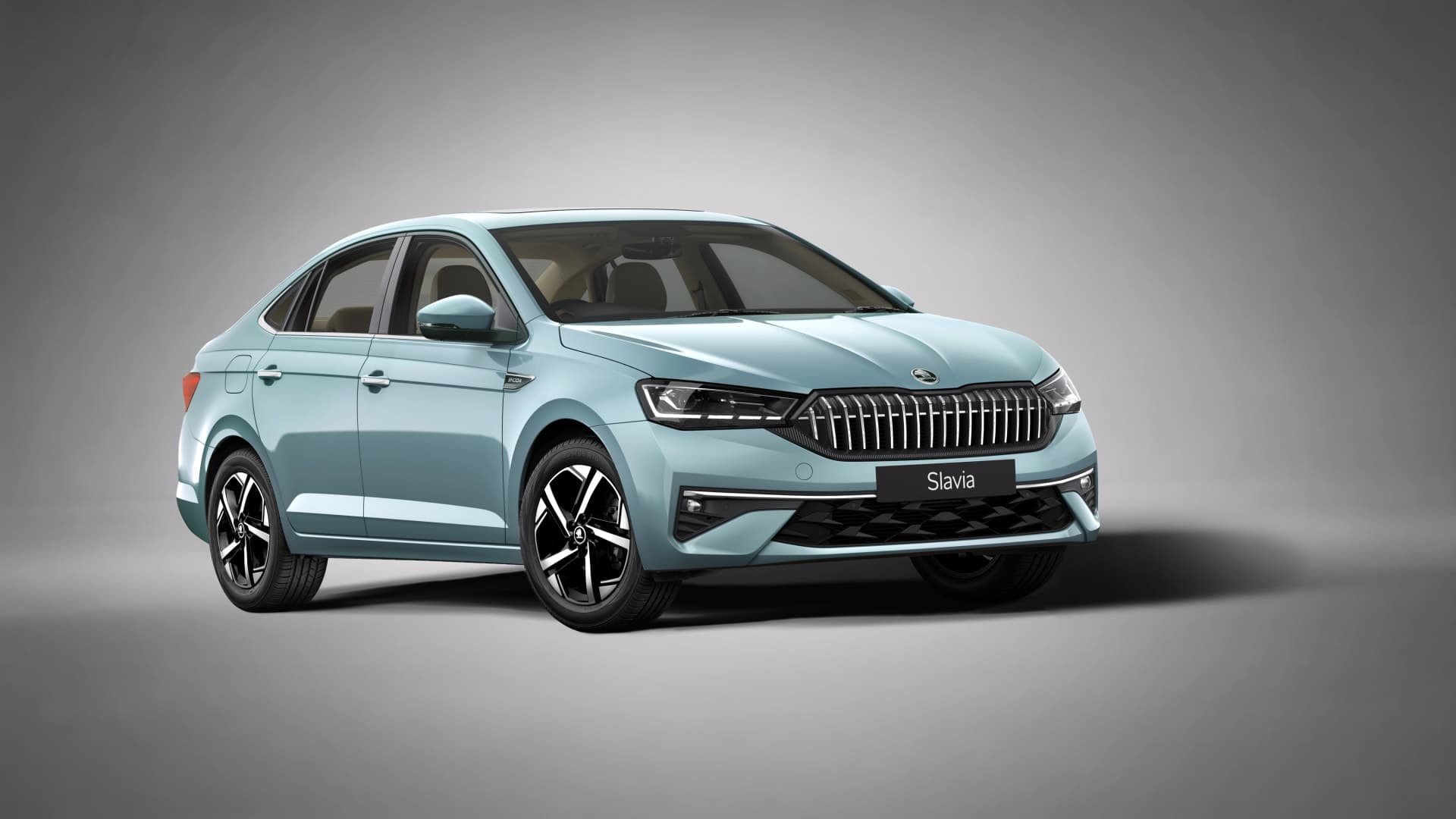
The Indian Kwid uses the same 1.0-litre three-cylinder, rated there at 69 hp and 92.5 Nm, and runs from Rs 4.53 lakh to Rs 5.61 lakh ex-showroom, roughly €4,100 to €5,080. Some of that is scale and local sourcing. A large part of it is one decision: on 22 September 2025 India moved petrol cars under four metres and 1,200cc from the 28% GST slab to 18%, and Renault cut up to Rs 55,000 from the Kwid within the week. Every Renault sold in India fits inside that definition, so the entire range fell at once. Those sub-four-metre rules shape the cars as well as the tax, which is why India builds saloons like the Skoda Slavia that Europe never sees.
Brazil has already zeroed the Kwid's IPI, and it is still nearly three times the price
Brazil's federal IPI on passenger cars runs from 7% to 25% depending on engine size, but since July 2025 the Programa Carro Sustentável zeroes it for a brand's entry model when the car is built in Brazil, emits under 83 g/km of CO₂ and uses more than 80% recyclable material. Renault enrolled the Kwid. So the federal tax is already off, and the Brazilian car still costs about 2.9 times the Indian one at the prices people actually pay. What remains is ICMS at 12% to 18% depending on the state, PIS and Cofins stacked on top, and the cost of building a car in Paraná at Brazilian volumes. Taxes make up somewhere between 30% and 50% of what a Brazilian pays for anything new.
Europe gets this car as the Dacia Spring, built in Shiyan by a Dongfeng joint venture
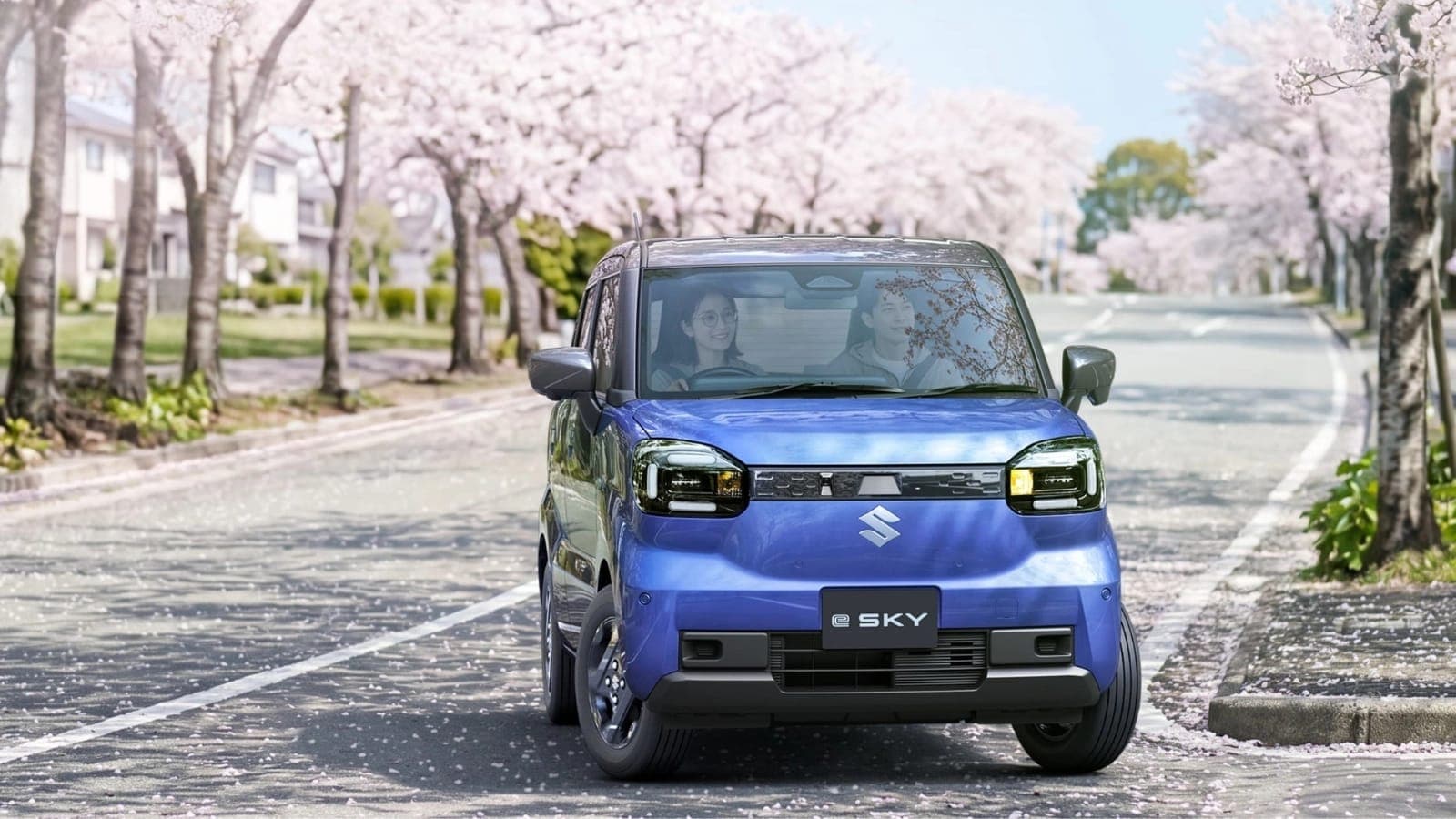
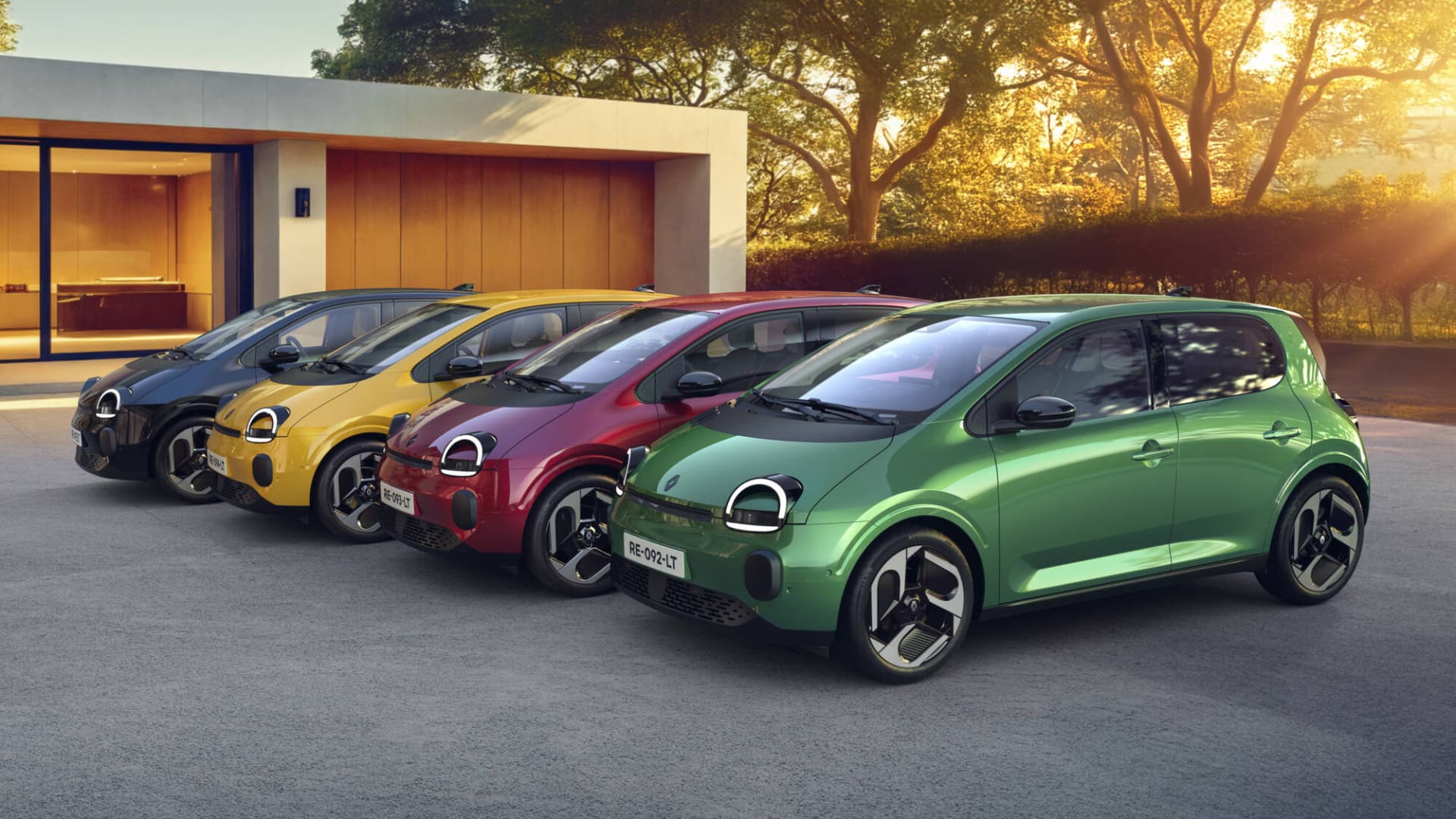
Europe never got the petrol Kwid. It got the electric derivative: the Renault City K-ZE, reworked with a reinforced structure and six airbags for European crash rules, then sold as the Dacia Spring on a dedicated EV version of the same CMF-A architecture. It is built in Shiyan, in Hubei province, by eGT New Energy Automotive, the Dongfeng, Renault and Nissan joint venture. That address is now the problem, because the EU's definitive duties on China-built EVs add between 17.0% and 35.3% on top of the standard 10% import duty, and the next Spring is due to be built in Europe instead. Renault is putting the new Twingo into a European plant for the same reason, and Suzuki plans to import a Japanese kei car to fight for the same buyers.
AutoNext Take
The Kwid is the cleanest natural experiment the car industry has going. Same platform, same three-cylinder engine, same basic body, and a price that swings by a factor of 2.9 depending on which tax code it lands in. India moved its half of that number by Rs 55,000 in a single week without changing a component. Every time a European minister describes the affordable car as an engineering problem, the Kwid is the counter-example sitting in plain sight.
Here is the test worth watching. The next Dacia Spring moves to European production not because Europe builds small EVs better, but because duties of up to 45.3% made Shiyan uneconomic. If the European-built Spring arrives at or below what the China-built car costs today, then small-car manufacturing in Europe genuinely stands up. If it arrives dearer, Europe will have made its cheapest car more expensive in order to control where it is assembled, and that is a policy outcome, not a product one.