Suzuki is bringing a Japanese kei car to Europe, and it might be the cheap little EV we keep asking for
While Europe argues about how to build a cheap small electric car, Suzuki just shipped one over from Japan
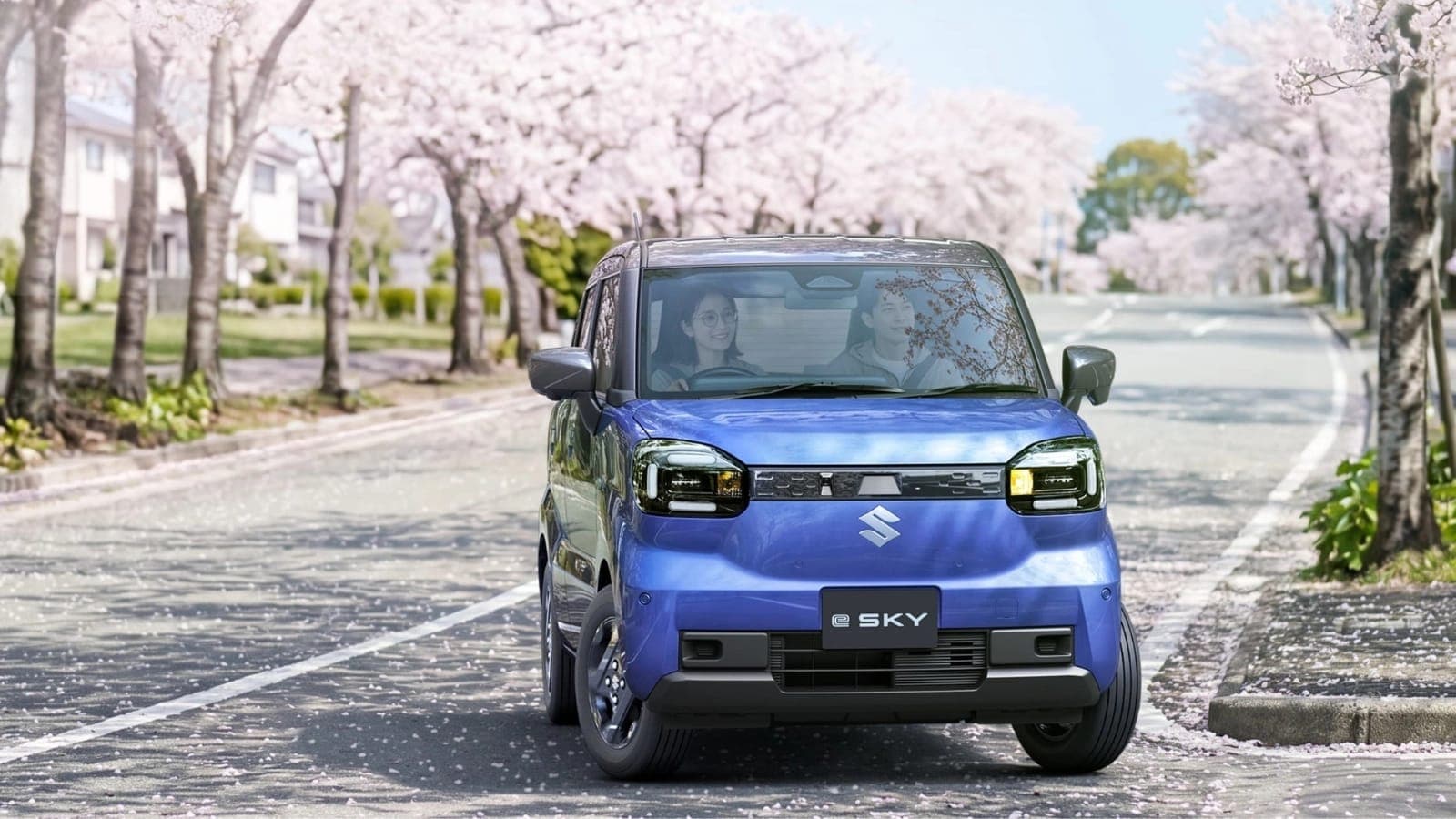
Europe keeps saying it desperately needs affordable, sensible little electric cars, and then keeps not quite building them. Suzuki has decided to skip the debate. It has unveiled the e-Sky, a tiny electric kei car from Japan, confirmed it for Europe, and priced it to fight the Renault Twingo. It might just be the small, honest EV so many drivers have been waiting for.
What a kei car actually is
To understand the e-Sky you have to understand the kei car, Japan's smallest legal class of vehicle. Kei cars live inside strict limits on size and power, and in exchange enjoy lower taxes and cheaper running costs, which has made them a national institution for decades. The e-Sky is Suzuki's fully electric take on the idea, and the numbers show the discipline: it is just 3,395 mm long and weighs only 1,030 kilograms, featherlight by the standards of a modern EV.
Small battery, sensible range
This is where the kei philosophy pays off. Because the car is so light, it does not need a huge, expensive battery. The e-Sky uses a modest 26 kWh lithium iron phosphate pack, yet still claims up to 310 kilometres of range on Japan's test cycle, helped by remarkable efficiency of around 97 Wh per kilometre. Realistically, expect a little less on Europe's tougher WLTP rating, but this is a car built for city and suburban life, not motorway marathons. Power is capped at the kei limit of 63 hp, and it can DC charge at up to 50 kW. Doing more with less is the entire point.
Coming to Europe, and the price is the headline
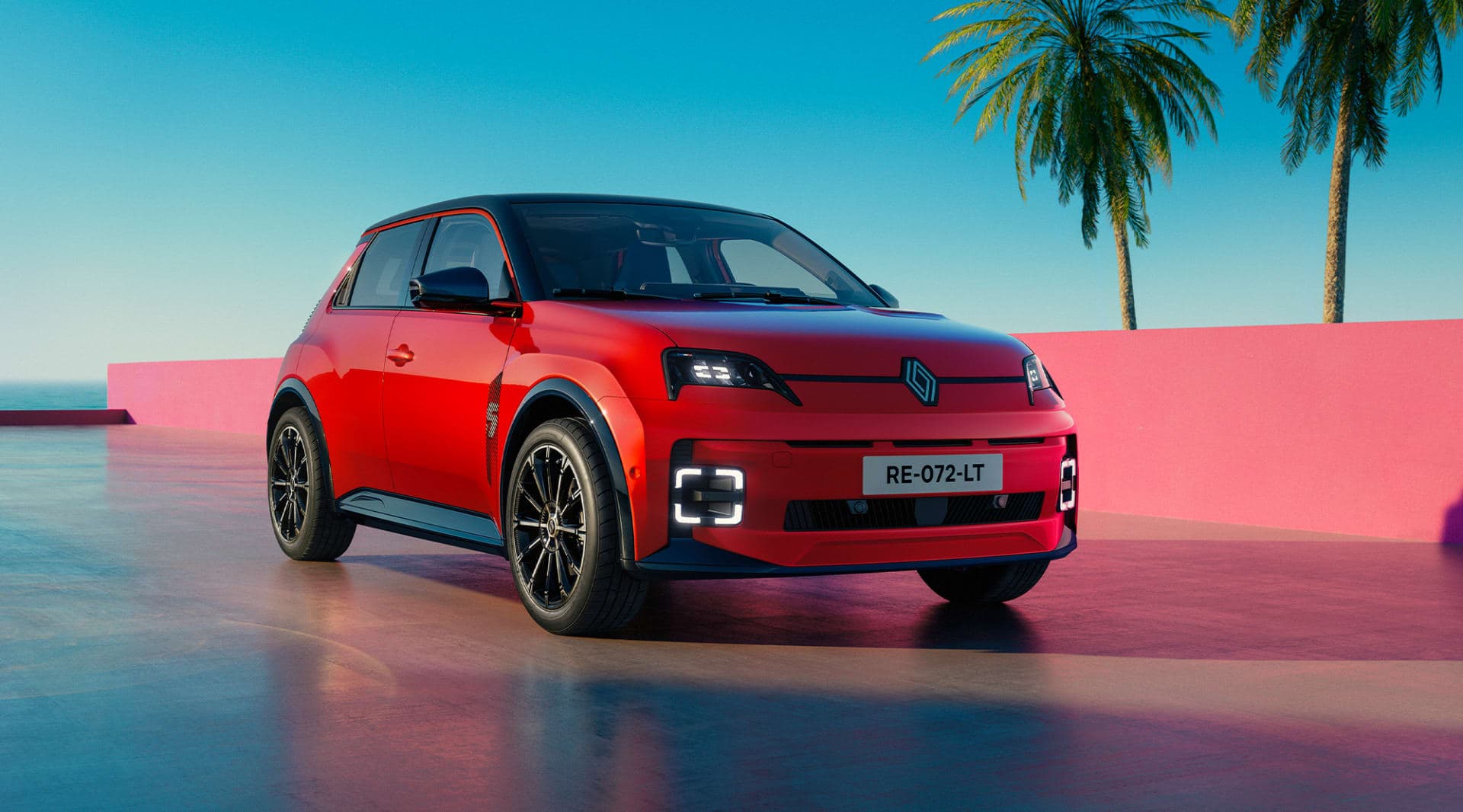
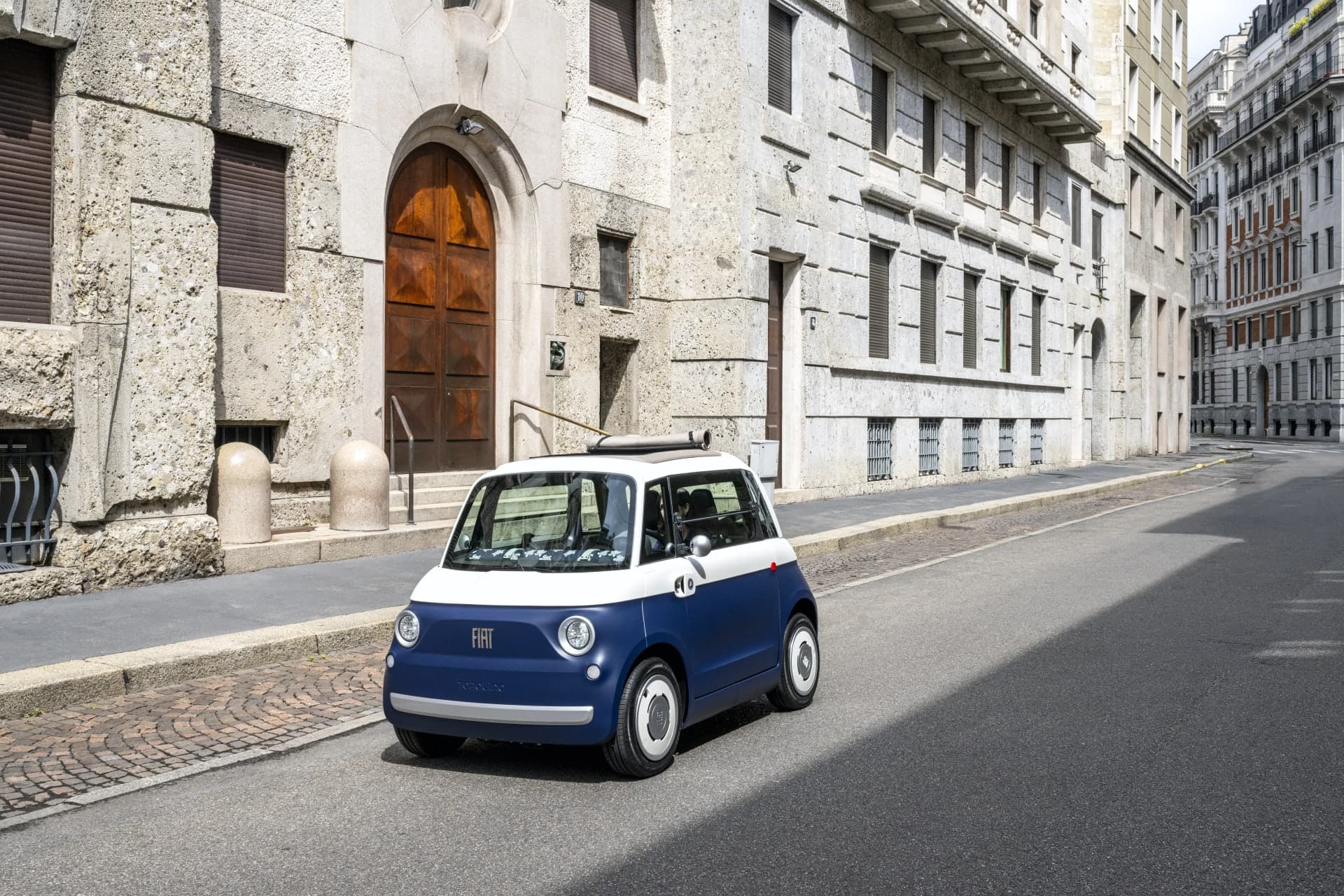
The e-Sky goes on sale in Japan this autumn, with the UK and mainland Europe following in 2027, and the crucial detail is the price: it is expected to land below 20,000 euros. That drops it right into the fight with the new wave of affordable electric cars like the Renault 5, the reborn Twingo and the Dacia Spring, and even tinier electric runabouts such as the Fiat Topolino. For once, this is a genuinely cheap EV that ordinary buyers will actually be able to buy.
Why it matters
Europe has spent years mourning the slow death of the small, affordable car, squeezed out by rising costs and ever-bigger SUVs. The e-Sky is a reminder that there is another way, and that Japan worked it out long ago. A light car with a small battery is cheaper to buy, cheaper to run and cleaner to build than a two-and-a-half-tonne electric barge, and it is exactly the kind of model driving Europe's current surge in EV sales. The e-Sky is not chasing records; it is chasing sense.
AutoNext Take
This is precisely the sort of car Europe should be cheering on. Amid all the anxiety about cut-price Chinese EVs, here is an affordable, clever, likeable small electric car coming from Japan, built on decades of expertise in making tiny cars brilliant. If Suzuki gets the pricing right, the e-Sky could do more to move ordinary drivers into EVs than any luxury flagship, simply because they can afford it and it fits their lives.
The one real question is whether European buyers, long trained to equate size with value, will embrace something this proudly small. Japan settled that argument decades ago: most journeys are short, most cars carry one or two people, and lightness is a virtue, not a compromise. If the e-Sky lands near 20,000 euros and drives as sweetly as a good Suzuki should, it will not just be a curiosity from Tokyo. It will be a quiet lesson Europe should have taught itself.