Škoda to exit China by 2026: how one of Volkswagen’s strongest brands lost the world’s biggest car market
For decades, China was the ultimate growth engine for global car manufacturers.
But for others, the world’s largest automotive market is rapidly turning into one of the most difficult places to compete. The latest example comes from Skoda, which has now confirmed it will withdraw from the Chinese market by mid-2026 after years of declining sales.
From success story to rapid decline
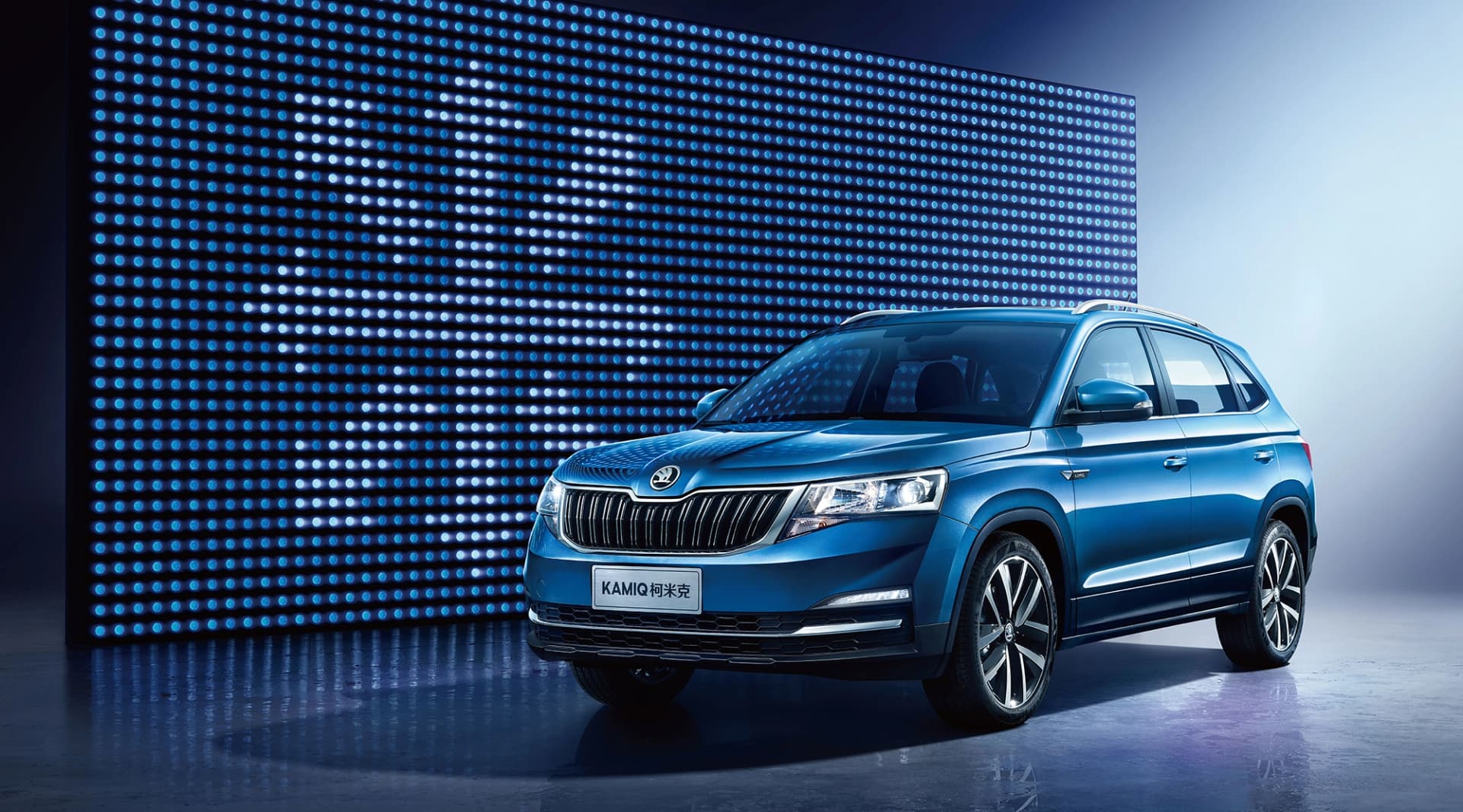
Skoda’s Chinese journey once looked like a textbook example of European automotive expansion. Back in the late 2010s, models like the Skoda Octavia and the locally developed Skoda Octavia Pro were hugely popular with Chinese buyers looking for European design at relatively accessible prices.
But the landscape shifted dramatically over the past decade. Domestic manufacturers (particularly BYD and Geely) have transformed the Chinese market with highly competitive electric vehicles, aggressive pricing and rapid technology development.
For traditional European brands relying heavily on combustion engines, keeping up became increasingly difficult. And Skoda, positioned as a more value-focused brand within the Volkswagen Group portfolio, found itself squeezed in the middle.
The brutal numbers behind the exit
The sales trajectory illustrates just how quickly things deteriorated. In 2018, Skoda sold 341,000 vehicles in China. By 2020 that number had already fallen to 173,000, before continuing its steep decline.
By 2025, deliveries had dropped to only 15,000 units. That represents one of the most dramatic market contractions for a major global brand in recent automotive history. Despite the exit, Skoda has confirmed that after-sales support and service will continue in China, ensuring existing customers are still supported.
Refocusing on growth markets
Although the Chinese withdrawal might look dramatic, Skoda’s global situation is far from bleak. In fact, the brand achieved one of its strongest global results in years, delivering more than one million vehicles worldwide in 2025, a 12.7 percent increase.
Europe remains the core market, where Skoda recently became the third best-selling brand. At the same time, growth in India, Turkey, North Africa and South-East Asia has helped compensate for the losses in China.
Electrification will also play a major role in the brand’s future strategy, with new models such as the upcoming Skoda Epiq and the larger Skoda Peaq expected to expand the company’s EV portfolio.
AutoNext Take
The story of Skoda in China is more than just a corporate strategy shift. It is a clear signal of how dramatically the global automotive balance of power is changing.
Only a decade ago, European manufacturers were seen as the benchmark for technology and engineering in China. Today, local brands are leading the EV revolution, often with faster development cycles, aggressive pricing and technology that resonates more with Chinese buyers.
Skoda’s withdrawal does not mean the brand is weak, quite the opposite. Globally, it is actually growing. But it does illustrate a brutal reality: even established European brands can lose entire markets if they fail to adapt quickly enough to new technological shifts.
And if the world’s biggest car market can move on from a brand that once sold more than 300,000 cars a year, it raises a bigger question. Which other legacy manufacturers might be next?