Stellantis sales bounce back 10 percent, and the Hemi V8 gets the credit
A carmaker climbing off the floor
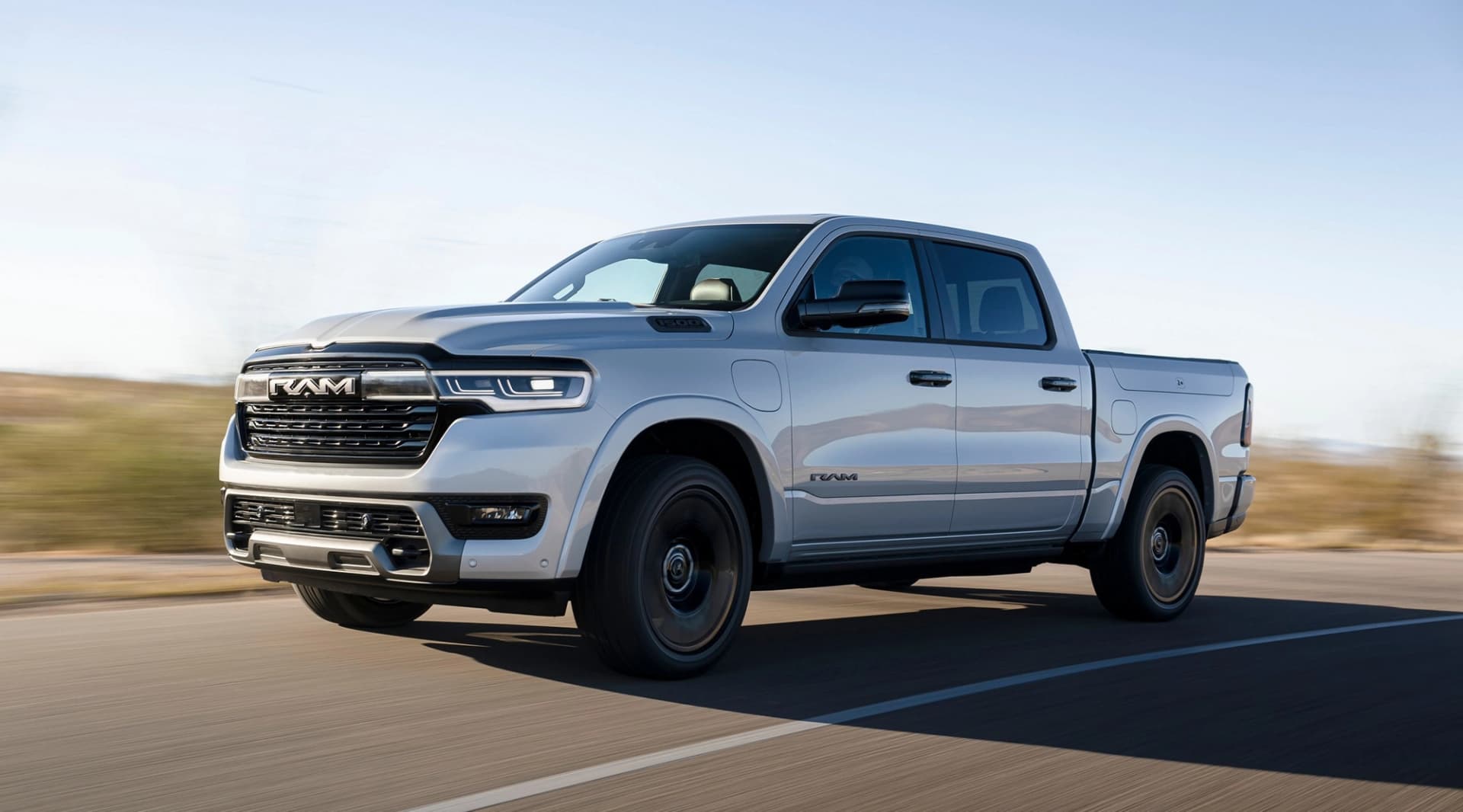
Stellantis is selling more cars again. The group behind Jeep, Ram, Fiat, Peugeot and Opel delivered around 1.6 million vehicles in the second quarter of 2026, a 10 percent rise year on year, after a bruising run of falling sales. The rebound was led overwhelmingly by North America, and one old-school ingredient stands out: the return of the Ram 1500 with its Hemi V8.
After months of profit warnings and a change at the top, any growth is welcome news in Turin, Paris and Detroit. The question is whether this is a genuine turnaround or a one-quarter bounce, and the stock market has already made its feelings clear.
North America did the heavy lifting
The engine of the recovery sat in the United States. Stellantis reported a 38 percent jump in North American volume, helped by the reintroduction of models buyers had been asking for, including the Ram 1500 with the Hemi V8 that Stellantis had previously dropped. Bringing back a big petrol engine in an era of downsizing looks like a step backwards on paper, but it answered exactly what Ram's customers wanted, and the sales followed.
Europe steadies, the rest slips
Europe was quieter but still positive, with deliveries up around 5 percent, a figure that includes the contribution of the Chinese brand Leapmotor, in which Stellantis holds a stake. Elsewhere the picture was weaker. Stellantis lost ground in the Middle East, Africa and South America, a reminder that this rebound is concentrated rather than broad, and that it leans heavily on one strong region.
Why Wall Street is not celebrating
Here is where things get interesting. Despite the delivery growth, Stellantis shares have fallen more than 25 percent since chief executive Antonio Filosa presented his recovery plan in May, and analysts at HSBC and JPMorgan have downgraded the stock. Their concern is not the headline number but what sits behind it: rising vehicle inventory in the United States, which can flatter deliveries now and force costly discounts later.
The bigger plan behind the numbers
This quarter is only the first test of a much larger strategy. In May, Filosa committed Stellantis to a €60 billion investment in new vehicle development by 2030, with sharper focus on Fiat, Peugeot, Ram and Jeep, plus partnerships with Dongfeng and Leapmotor to make better use of European factories. Small, affordable electric cars are promised from 2028. It is a serious plan, and it comes at a moment when the whole industry is under strain, from deep job cuts at rivals to the mixed sales fortunes of even the strongest brands.
AutoNext Take
A 10 percent jump in deliveries is a real result, and Stellantis is right to take the win. But the detail matters. This was a North American story built partly on bringing back a V8 that buyers never wanted taken away, and the market is treating rising US inventory as the real headline rather than the delivery figure. Growth that depends on one region and on stock piling up in dealer lots is fragile, and everyone paid to read a balance sheet knows it.
The honest read is that Stellantis has stopped the bleeding, not that it is cured. Filosa's €60 billion plan is the thing that will decide the company's future, and this quarter buys him a little breathing room to execute it. Give the Hemi its moment. The hard part is still to come.