One in four new cars in Europe is now electric, but the boom is standing on shaky ground
Europe's EV switch finally feels real, and one budget cut away from stalling
For years the electric car in Europe was a story about the future. In July 2026 it became a story about the present. Battery-electric cars made up 25.7 percent of new registrations across sixteen major European markets, which means more than one in every four new cars sold was fully electric. It is a genuine milestone, and yet the closer you look at how we got here, the more fragile it seems.
One in four, and climbing
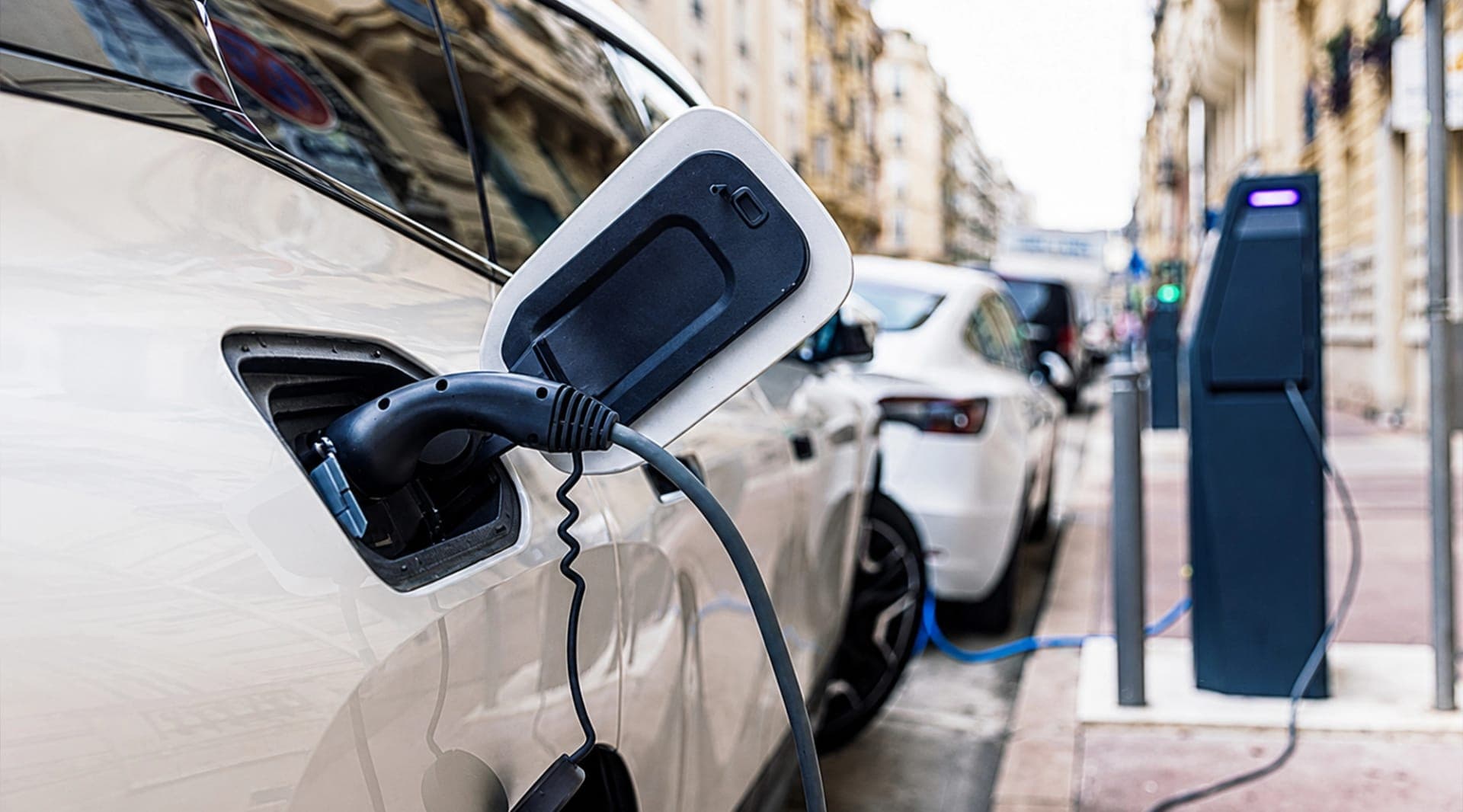
The numbers are hard to argue with. Registrations of fully electric cars rose 13.6 percent year on year in July to 224,266 units, and almost 1.5 million have now been registered across Europe since January, around 30 percent more than in the same period of 2025. After a couple of stop-start years, electric demand is not just growing again, it is accelerating, and it is doing so in the mainstream rather than at the luxury end.
Three forces doing the pushing
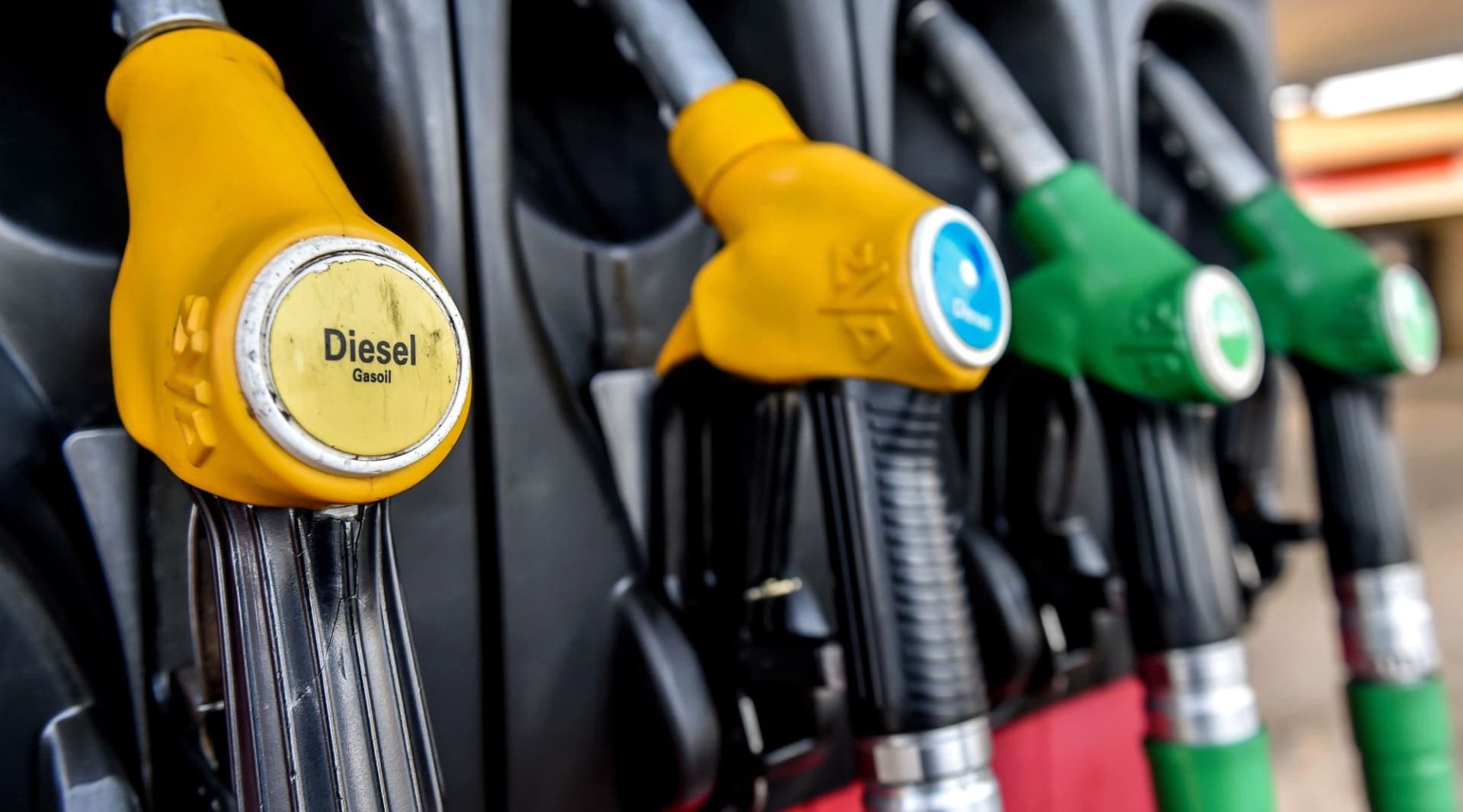
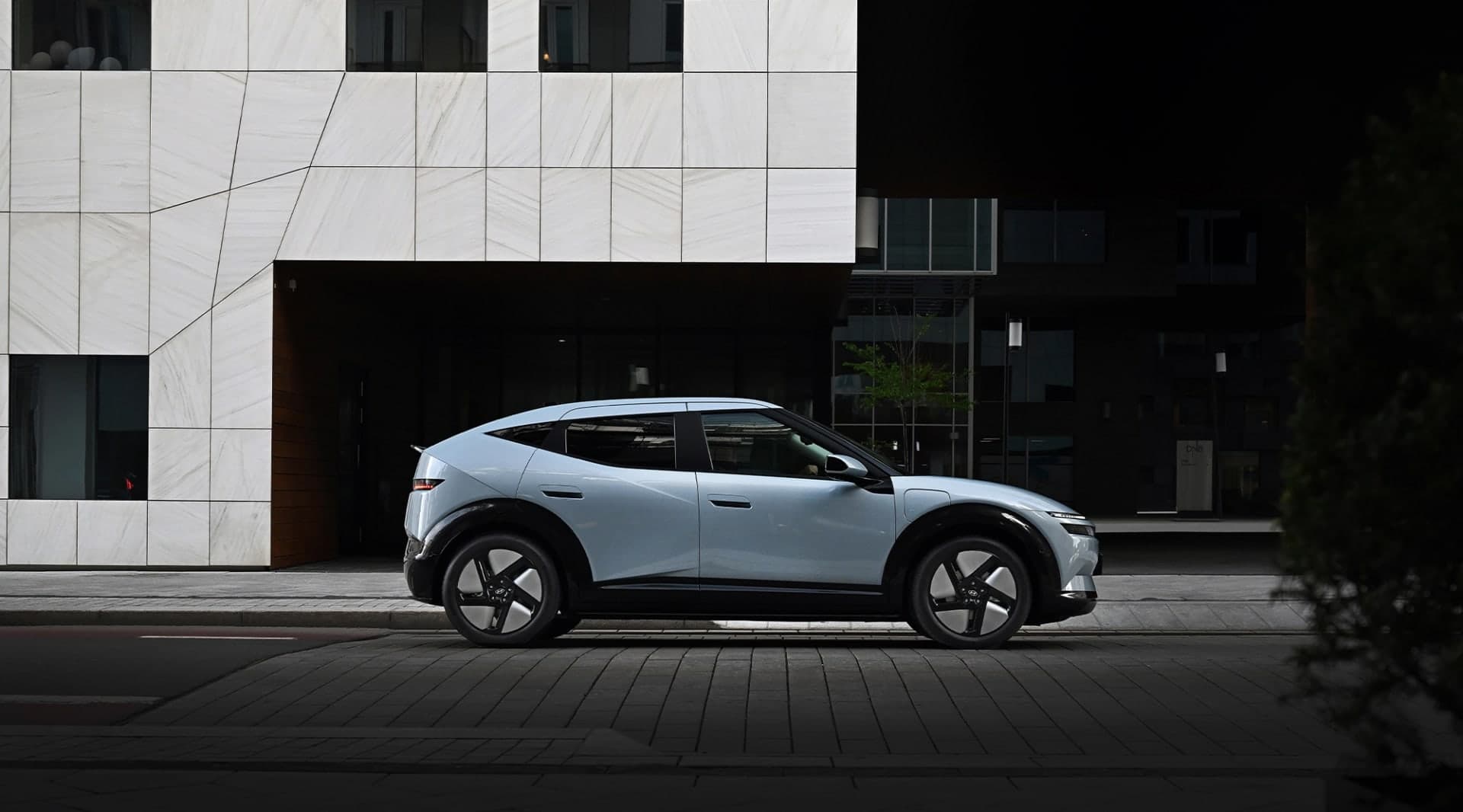
Three things are driving this at once. The first is pain at the pump: fuel has become markedly more expensive since conflict flared in the Middle East, and even diesel has been pushed above petrol in much of Europe, which quietly rewrites the sums for anyone weighing their next car. The second is subsidies. The third, and arguably the most important, is that there is finally a wave of genuinely affordable electric cars, from the Renault 5, Citroen e-C3 and Dacia Spring to a flood of cheaper models, including keenly priced options like the Hyundai Ioniq 3. When an EV costs the same as a petrol car and is cheaper to run, the decision makes itself.
A very uneven map
The European average hides enormous variation. In the north, EVs are already the default: Denmark sits at a remarkable 80 percent, Finland above 52 percent, the Netherlands at 47 percent, and Belgium and Sweden both around 42 to 43 percent. The big two are climbing fast too, with France hitting a record 35 percent, up from 17 percent a year earlier, and Germany at 29 percent on nearly 79,000 registrations in a single month. Further south and east the picture is very different, with Italy in single digits and Poland and the Czech Republic still down between roughly 4 and 8 percent. The dividing line is almost entirely about policy and price.
The Italian warning
Italy is the cautionary tale. Its EV share did not just stall, it fell, from around 10 percent to under 6 percent, after the government scaled back its incentives, while France's surge followed the launch of a social-leasing scheme aimed at lower-income drivers. That is the uncomfortable truth beneath the record: much of this demand is still propped up by public money. Turn the support off and sales can deflate quickly, which is why the industry keeps pleading for stable, predictable policy. It is a plea that sits awkwardly alongside the other direction of travel, with governments already working out how to tax EVs to replace the fuel duty they are losing.
AutoNext Take
This is real progress, and it deserves to be recognised as such. A quarter of the market is not a niche, and the mix of causes matters: expensive fuel makes petrol less appealing, but it is affordable, well-made electric cars that actually close the deal. The Renault 5 and its rivals are doing more for European emissions than any number of six-figure electric flagships, precisely because ordinary people can afford them.
The catch is that the market has not yet reached the point where it stands on its own. As long as a subsidy cut can knock a country's EV share nearly in half, this is momentum rather than escape velocity. The real target is not a record month, it is the day an electric car is simply the obvious buy without a government sweetener attached. On current evidence Europe is closer to that than ever, but every one of these headline figures still comes with a line in a national budget that could quietly erase it.