The all-new electric Mercedes-Benz C-Class just redefined the segment
This is the first “real” electric C-Class.
There’s always that one moment when a car stops being “just another new model” and starts feeling like a turning point. This is one of those moments. Because what Mercedes-Benz has done with the all-new electric C-Class isn’t simply add an EV to the lineup. It’s taken one of Europe’s most important cars and quietly rebuilt it from the ground up for a completely different future.
This isn’t an electric C-Class. It’s a different kind of C-Class
Let’s get one thing clear from the start: this has nothing to do with the petrol or diesel C-Class you already know. Same name, completely different philosophy.
Built on Mercedes’ new MB.EA electric platform, this is a purpose-built EV that sits somewhere between the CLA and EQE but more importantly, it finally feels like the car people actually wanted the EQE to be.
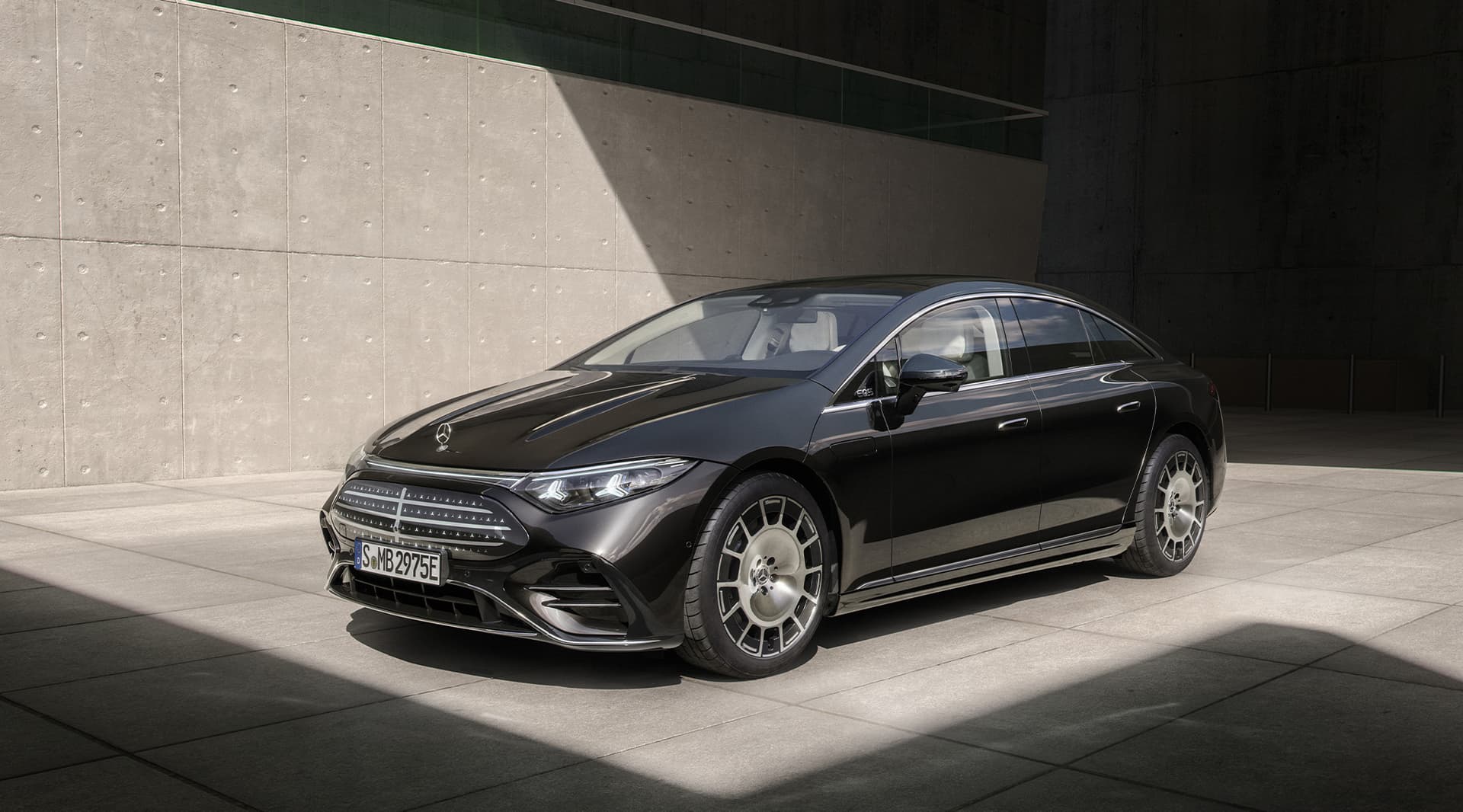
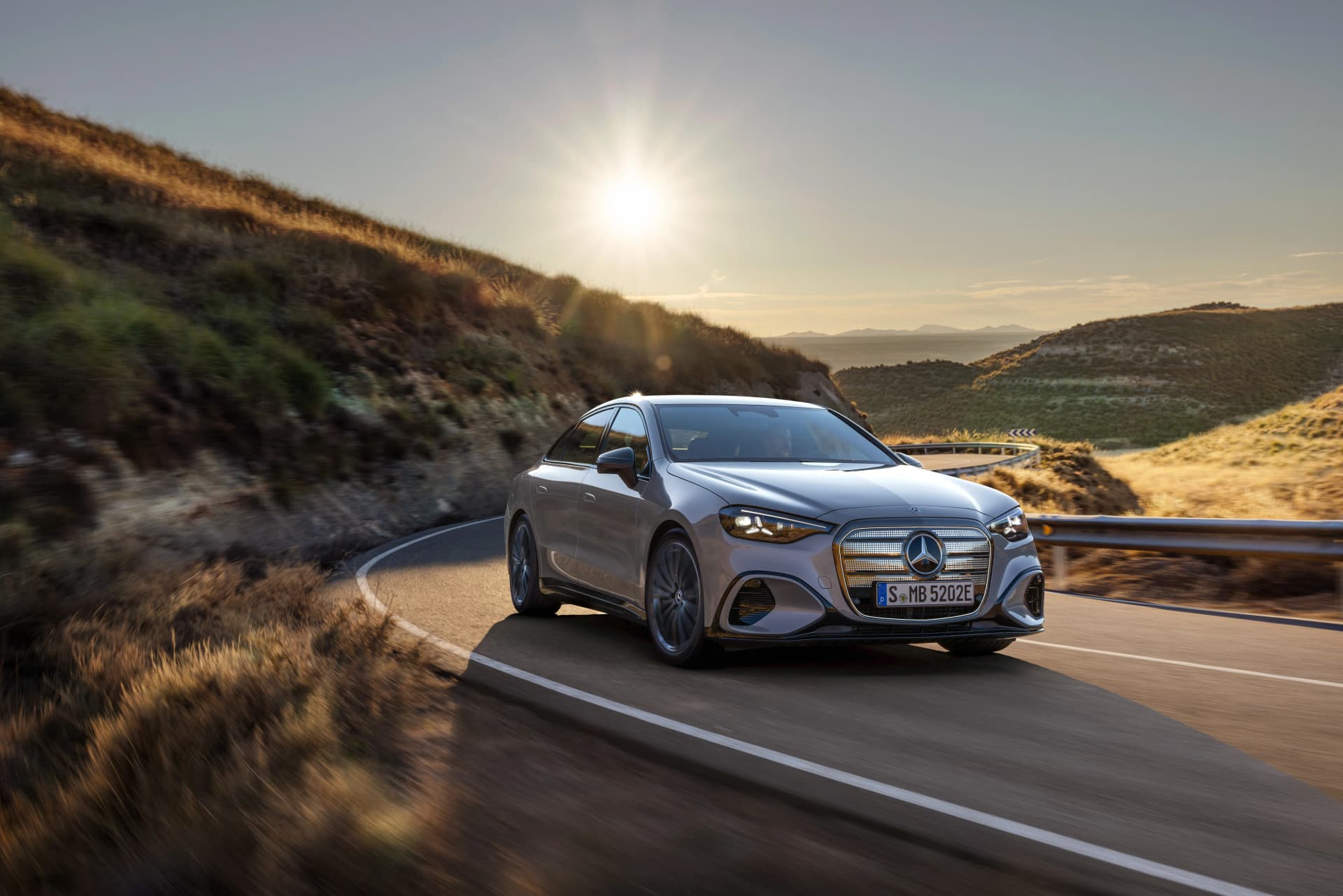
The proportions matter. The long wheelbase, short overhangs and fastback-style silhouette give it presence without forcing it into that slightly awkward “electric blob” territory we’ve seen too often in recent years.
And then there’s the detail work. The illuminated grille with over 1,000 light elements, the subtle star signatures front and rear, the GT-inspired rear end… it’s unmistakably Mercedes, but sharper. More confident.
Real range. Real charging. Finally.
This is where things get serious. Mercedes claims up to 762 km WLTP range, which immediately places the electric C-Class at the top of its segment. But more importantly, it’s backed by the kind of hardware that actually makes that number usable.
The 800V architecture allows for up to 325 km of range in just 10 minutes of charging. Not in perfect lab conditions, but in realistic fast-charging scenarios. That changes how you use the car. This is no longer “plan your trip around charging.” This is “drive, stop briefly, keep going.”
And yes, Mercedes is clearly targeting long-distance usability here, something we’ve been hammering on in previous AutoNext articles. Range alone doesn’t matter. Recovery speed does. Finally, someone is getting that balance right.
Comfort is still the real USP and they’ve doubled down
What’s always defined the C-Class isn’t performance numbers or technology. It’s the feeling when you close the door. That “I’m home” moment. Mercedes calls it Welcome Home, and for once, it’s not just marketing language.
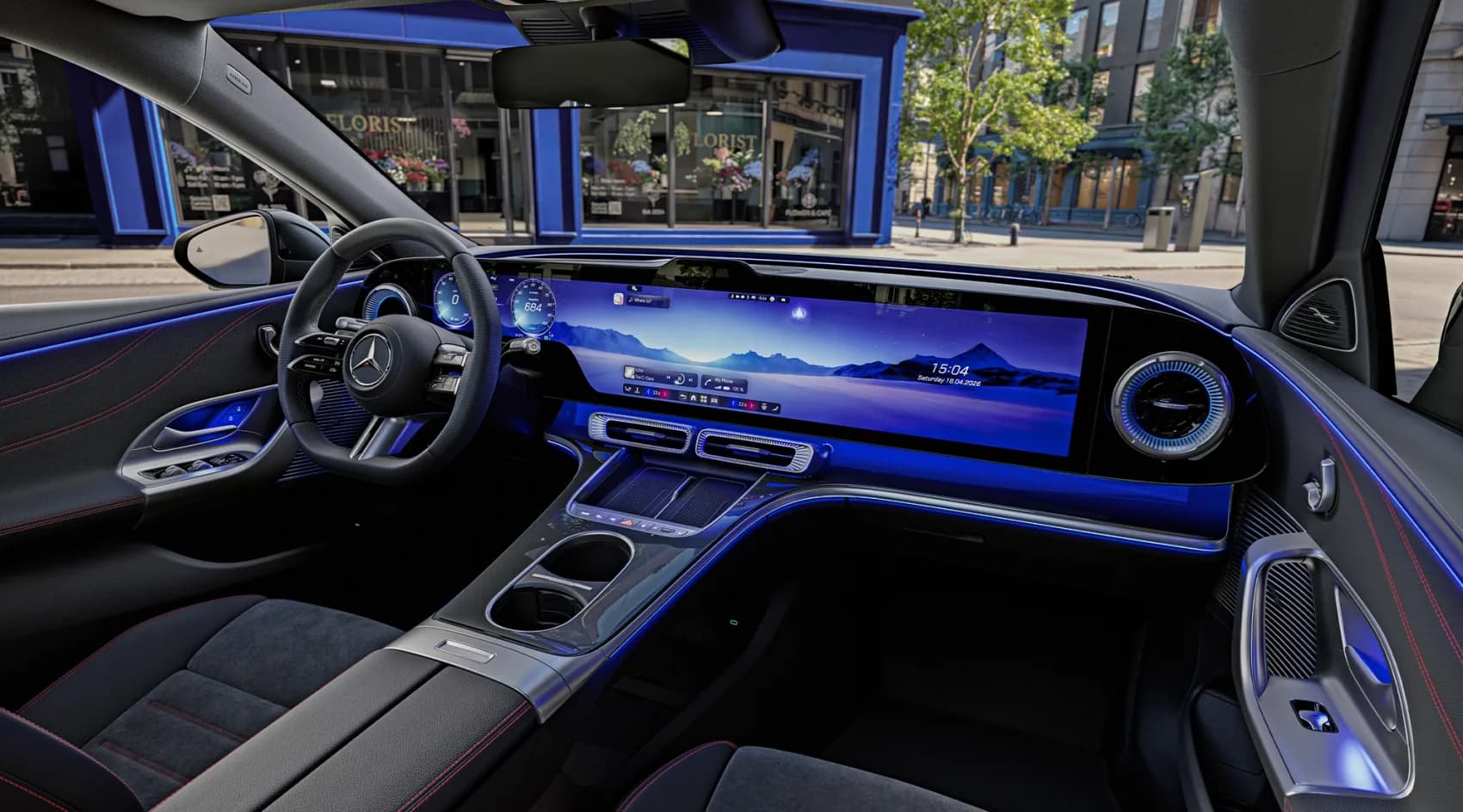
The new electric C-Class leans hard into that idea. The cabin is quieter, more refined, and frankly more ambitious than anything else in this segment right now. You get air suspension (AIRMATIC), rear-axle steering, massage seats, and a level of acoustic isolation that pushes dangerously close to S-Class territory.
Even the climate system has been rethought. The new multi-source heat pump uses significantly less energy and heats the cabin twice as fast in cold conditions. It sounds like a detail, but in an EV, it’s exactly these things that make or break the daily experience.
Technology that actually feels integrated (for once)
Let’s talk screens, because yes there’s a big one. The optional 39.1-inch MBUX Hyperscreen stretches across the entire dashboard, but unlike earlier implementations, it finally feels like it belongs there. It’s not just visual theatre. It’s functional, fast, and genuinely intuitive.
Underneath it sits MB.OS, Mercedes’ new operating system, which connects everything from infotainment to driving dynamics and over-the-air updates. And then there’s the AI layer.
Mercedes is combining multiple AI systems into one assistant that actually remembers context and conversations. It sounds like a gimmick until you realize this is exactly where the industry is heading.
Driving: still a Mercedes, just sharper
Despite going fully electric, Mercedes hasn’t forgotten what makes a C-Class enjoyable to drive. The rear-mounted motor, combined with a two-speed transmission, delivers both strong acceleration and efficiency at higher speeds something many EVs still struggle to balance.
Add rear-wheel steering (up to 4.5°), and suddenly this mid-size sedan becomes far more agile than you’d expect. Tight city manoeuvres feel smaller, while motorway stability improves noticeably. It’s that duality again: comfort when you want it, precision when you need it.
AutoNext Take
We’ve seen a lot of electric launches over the past few years. Some impressive, some forgettable, most slightly compromised. This one feels different. Not because it’s revolutionary on paper but because it’s coherent.
Everything makes sense. The range, the charging, the comfort, the design, the tech. It all points in the same direction: making the transition to electric feel natural instead of forced.