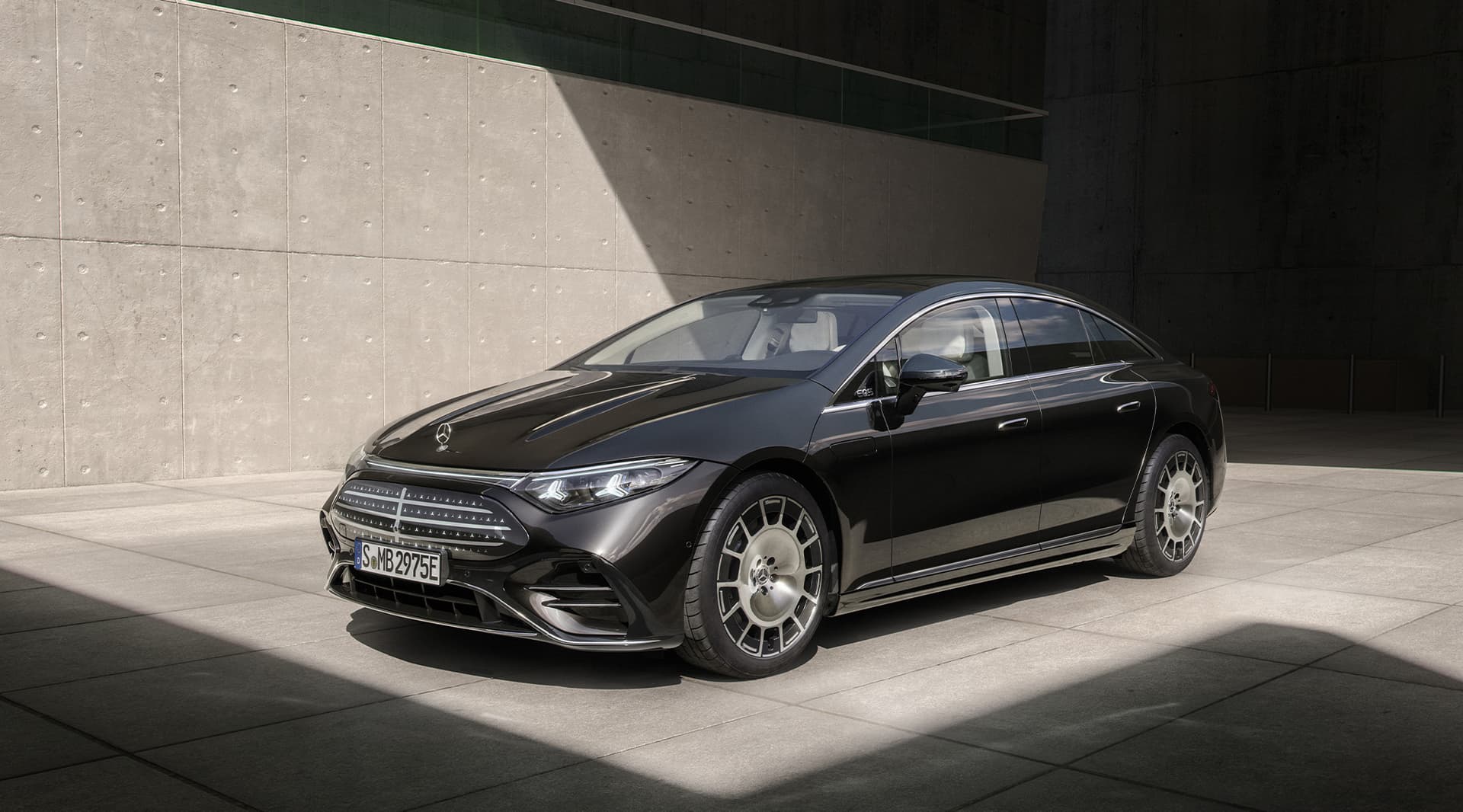
The new Mercedes-Benz EQS: further ahead, smarter, and more luxurious
The new Mercedes-Benz EQS has a simple message: luxury EVs are growing up.
This new EQS feels different. With up to 926 km of WLTP range, 800-volt architecture, 350 kW charging, steer-by-wire, a new 122 kWh battery, and the arrival of MB.OS as the car’s software brain, Mercedes-Benz has not merely updated the EQS. It has tried to answer nearly every criticism the car has faced since launch.
Not just more range, real flagship range
The headline number is impossible to ignore: the new EQS 450+ now delivers up to 926 km WLTP, roughly 13 percent more than before. Mercedes achieves that through a larger 122 kWh battery, updated cell chemistry using silicon oxide blended with graphite, improved aerodynamics, stronger energy recuperation of up to 385 kW, and a new two-speed transmission on the rear axle.
That matters because range in this segment is not just about efficiency. It is about confidence. A luxury EV should not feel like a compromise on a long trip. It should feel effortless.
And for the first time, the EQS now genuinely starts to play that role without excuses. Mercedes is clearly aiming to make this car feel less like a futuristic experiment and more like an electric S-Class for people who actually drive across countries.
Charging that finally matches the ambition
Just as important is what happens when you do stop. The new EQS moves to an 800V system and supports up to 350 kW DC fast charging, enough for Mercedes to claim up to 320 km of WLTP range in 10 minutes. At older 400V chargers, the battery can virtually split into two halves and still charge at up to 175 kW.
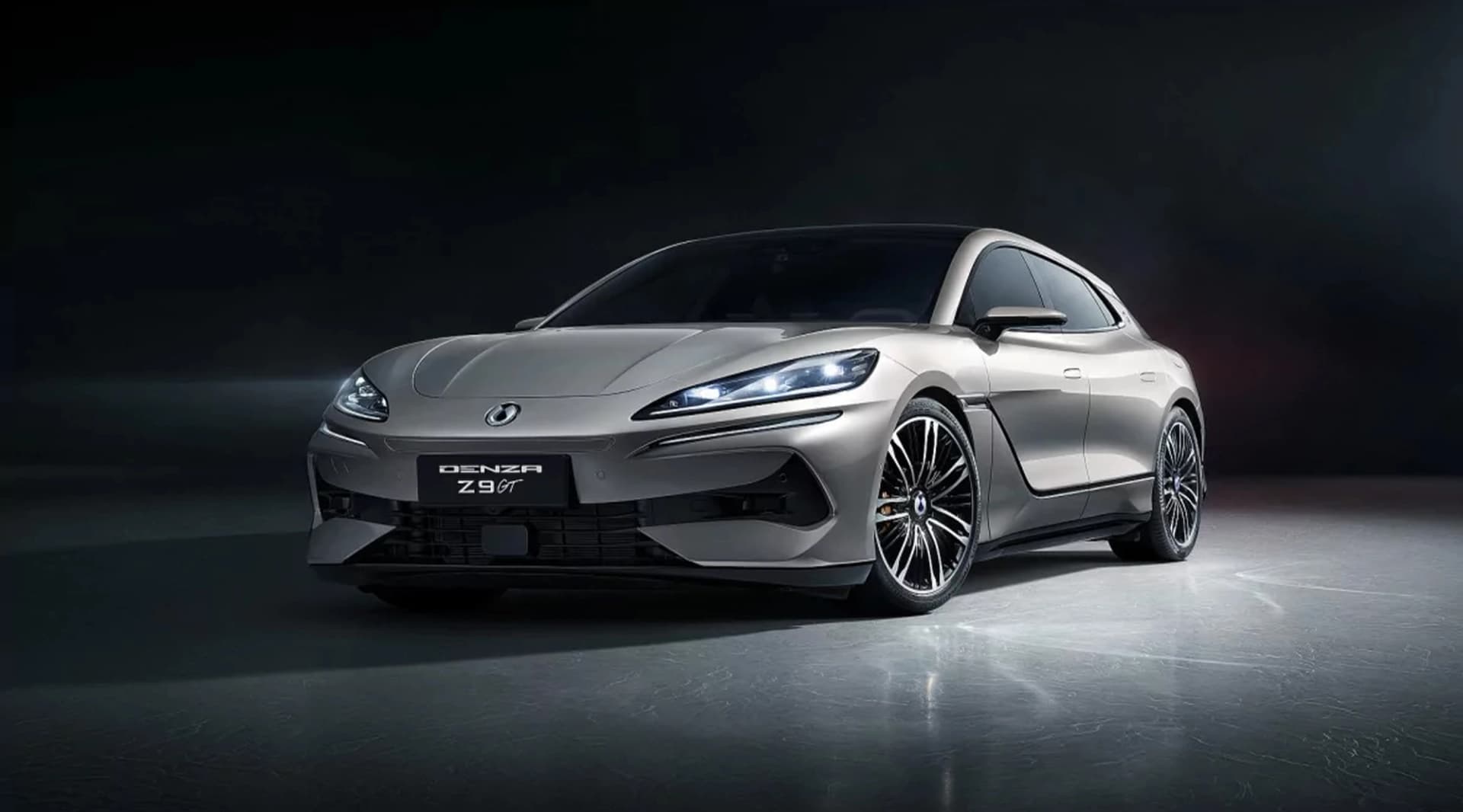
That puts the EQS right back in the serious conversation around long-distance electric luxury. And yes, it also links neatly to something we recently discussed with the Denza Z9GT and BYD’s wild charging promises. The difference is that Mercedes is not selling a future fantasy here.
It is refining a real flagship with real hardware, real network compatibility, and real premium-buyer expectations. Denza may be shouting louder about charging. Mercedes, for now, feels more believable.
Steer-by-wire is the real bold move
Range gets the headlines, but steer-by-wire may be the real story. Mercedes says the EQS will become the first series-production car from a German automaker to offer it, reducing unwanted vibrations, improving maneuverability, and working together with rear-wheel steering to make the big sedan feel more agile and easier to place.
A conventional steering setup remains available, but the message is clear: Mercedes wants the EQS to feel like a genuine technological flagship again. That is a risky move, because buyers in this segment are not always looking for radical change.
But it is also exactly the kind of boldness the EQS needed. When a car is positioned at the top of electric luxury, it cannot simply be good. It has to feel ahead.

A smarter EQS, not just a shinier one
Mercedes also seems to understand that luxury EVs now live or die by software as much as hardware. The new EQS introduces MB.OS, with over-the-air updates, AI-supported driver assistance, an upgraded MBUX Hyperscreen, and a more capable virtual assistant. Mercedes says the system runs with inputs from 10 cameras, up to 5 radar sensors and 12 ultrasonic sensors, while AI also plays a bigger role in infotainment and assistance logic.
In plain English: the EQS is becoming more like a rolling luxury computer, but in a more mature way than before. That is crucial. Because premium buyers are no longer impressed by screens alone. They expect the car to stay fresh, feel intuitive and evolve over time.
Tesla normalized that expectation years ago. Mercedes now wants to prove it can deliver the same adaptability without giving up comfort, craftsmanship and the feeling of occasion.
Mercedes has fixed the bits that mattered
The design changes are subtle, but that is probably wise. Mercedes keeps the slippery EQS silhouette and its 0.20 drag coefficient, while sharpening details such as the new front end, illuminated star treatment, revised lighting signatures and updated rear graphics.
Inside, the luxury pitch goes even harder, with heated seatbelts, new trim options, upgraded rear entertainment with two 13.1-inch screens, and more bespoke potential through Manufaktur Made to Measure. In Germany, pricing starts from €94,403.
AutoNext Take
The first EQS was already impressive, but it often felt like a luxury EV engineered from the wind tunnel outward. This new one feels more complete.
Mercedes has made it go farther, charge faster, think smarter and steer in a more futuristic way. More importantly, it has made the EQS feel like less of an electric outlier and more of a proper flagship.
In a market where luxury EVs are under pressure, that matters a lot. Because the biggest question is no longer whether Mercedes can build a technically advanced electric limousine. It is whether it can build one people genuinely desire.