The end of an era: BMW ALPINA B3 GT and B4 GT production comes to a close
Some automotive stories unfold quietly. Others end with a moment that feels genuinely historic.
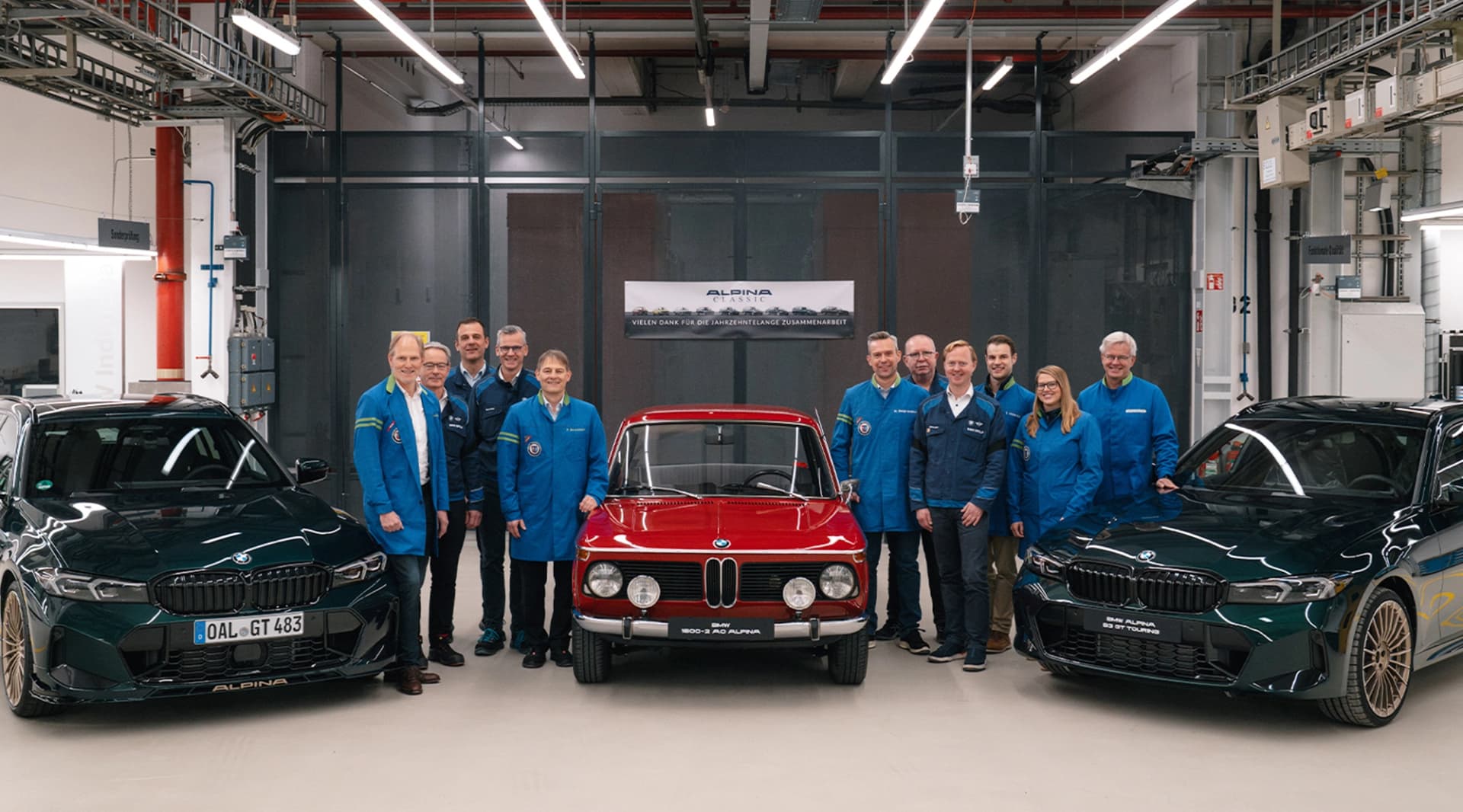
That is exactly what has just happened at the BMW plant in Munich, where production of the final BMW ALPINA B3 GT and BMW ALPINA B4 GT models has officially come to an end. The final car to leave the production line is symbolic in every possible way: a BMW ALPINA B3 GT Touring finished in ALPINA Green, personally received by the sons of ALPINA founder Burkard Bovensiepen. It marks the closing of a chapter not only for these models, but for ALPINA as we have known it for nearly six decades.
A production partnership unlike any other
For decades, the collaboration between BMW and ALPINA created something unique in the automotive industry. Vehicles began life at the BMW factory in Munich, where the base cars were assembled together with standard BMW models. But the process quickly diverged from ordinary production. ALPINA-specific components (ranging from engine parts to chassis elements and interior detail) were integrated early during manufacturing.
After leaving Munich, the cars travelled to the ALPINA manufactory in Buchloe, where they were finished by hand, receiving the final touches that transformed them from BMW into ALPINA. Over the years, around 12,000 BMW ALPINA cars started life in Munich as part of this extraordinary partnership.
The 3 Series: the backbone of ALPINA
Within the ALPINA universe, the mid-size segment always played a crucial role. Based on the BMW 3 Series and BMW 4 Series platforms, these models became the most versatile cars in the ALPINA lineup.
From diesel engines focused on efficiency to powerful petrol engines delivering effortless high-speed cruising, the platform allowed ALPINA to serve an unusually wide spectrum of drivers.
Internally, the 3 Series was often described as the “jack of all trades” of the ALPINA portfolio. And the numbers underline that success. In just five years, more than 5,500 vehicles were built from the latest generation alone, making the G2x derivative family the most successful in the company’s 60-year history.
The GT models: the final chapter
The last evolution of this generation carried the GT badge, reserved for the most desirable ALPINA variants. These cars combined explosive power with the brand’s signature long-distance comfort.
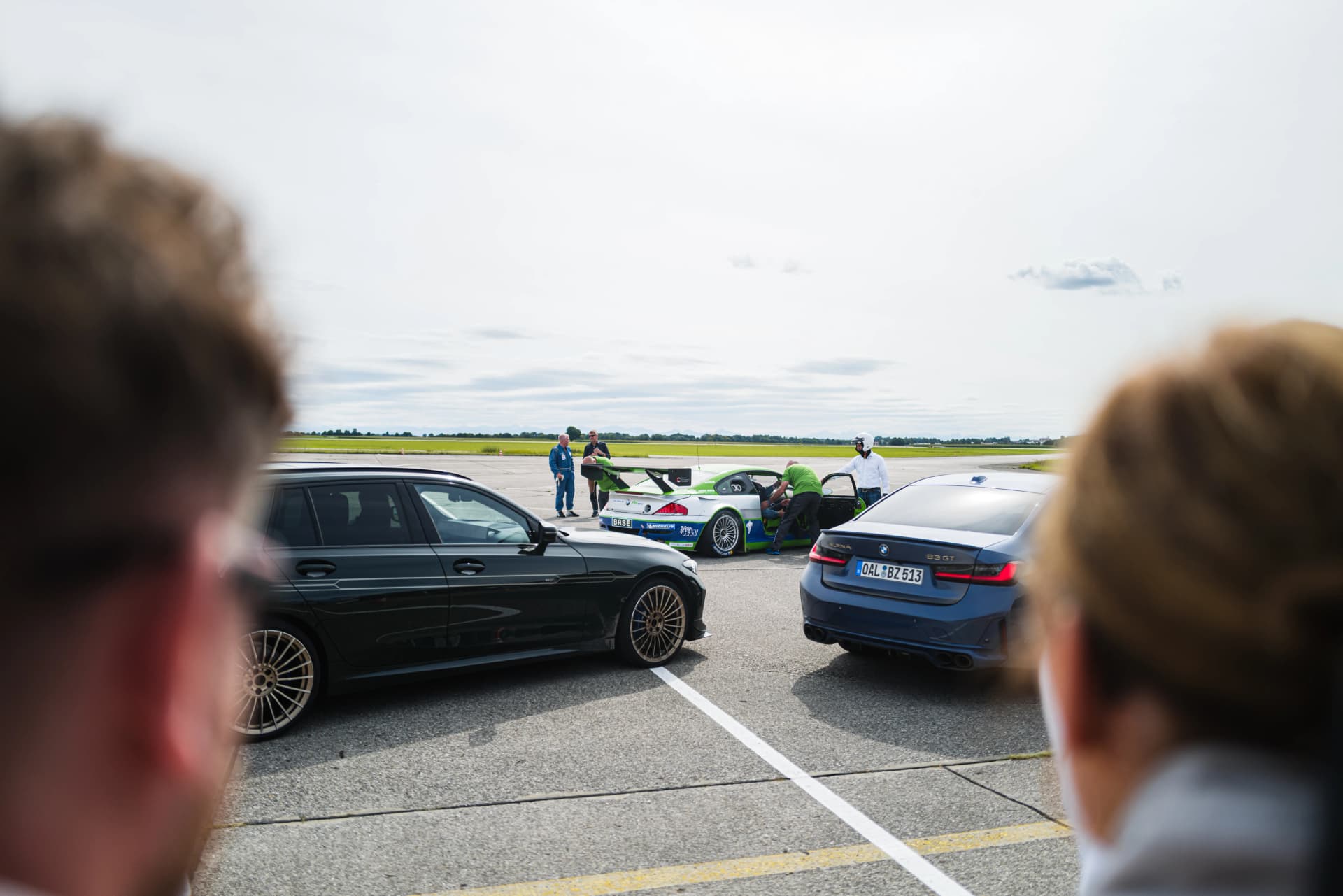
With 529 hp and a top speed of 308 km/h in the B3 GT Saloon, they represent some of the fastest luxury sedans ever produced. Since mid-2024, roughly 1,900 GT models have been built, including:
Around 500 B3 GT Saloons
Nearly 1,000 B3 GT Touring models
Just over 400 B4 GT Gran Coupés
Interestingly, Germany and Japan became the largest markets for these cars, a testament to the international appeal of ALPINA’s understated performance philosophy. Nearly half of all GT models were finished in the iconic ALPINA Blue or ALPINA Green, colours that have become inseparable from the brand’s identity.

The end of ALPINA as we knew it
While the end of production at Munich is already emotional for enthusiasts, the bigger story lies behind it. In March 2022, the BMW Group acquired the rights to the ALPINA brand after more than half a century of close cooperation.
Under the agreement, ALPINA continued to develop and build its traditional models until the end of 2025, after which the brand would be fully integrated into BMW’s portfolio. As of January 1, 2026, ALPINA officially became BMW ALPINA, a standalone luxury brand within the BMW Group.
This means the cars we know today (developed in Buchloe with direct involvement from the Bovensiepen family) effectively represent the final generation of “true” ALPINA automobiles. What comes next is still largely unknown. BMW has already teased future models under the BMW ALPINA label, but the first car developed fully under BMW’s control has yet to be revealed.
AutoNext Take
For decades, ALPINA represented something very rare in the automotive world. It was never about aggressive styling or headline power figures. Instead, ALPINA built cars defined by effortless performance, engineering subtlety and long-distance refinement.
In many ways, ALPINA cars were the antithesis of the modern performance arms race. Which is why this moment feels bittersweet. Yes, the brand will continue under BMW. Yes, new BMW ALPINA models will almost certainly arrive. But the question many enthusiasts are quietly asking is simple: Will they still feel like ALPINA?
The magic of the brand always came from the Bovensiepen family’s philosophy, from the small-scale craftsmanship in Buchloe, and from the idea that performance should feel effortless rather than aggressive. It is difficult to replicate that within a large corporate structure. So while the future of BMW ALPINA may still be bright, one thing is certain:
The cars leaving Munich today (especially that final ALPINA B3 GT Touring in ALPINA Green) represent the closing chapter of one of the most authentic and beloved performance stories in modern automotive history. And that makes them instant classics