The Dutch GP was built on Verstappen, and it is ending as his era does
Verstappen calls his farewell helmet a homage to the Netherlands. The Dutch Grand Prix was really a homage to him.
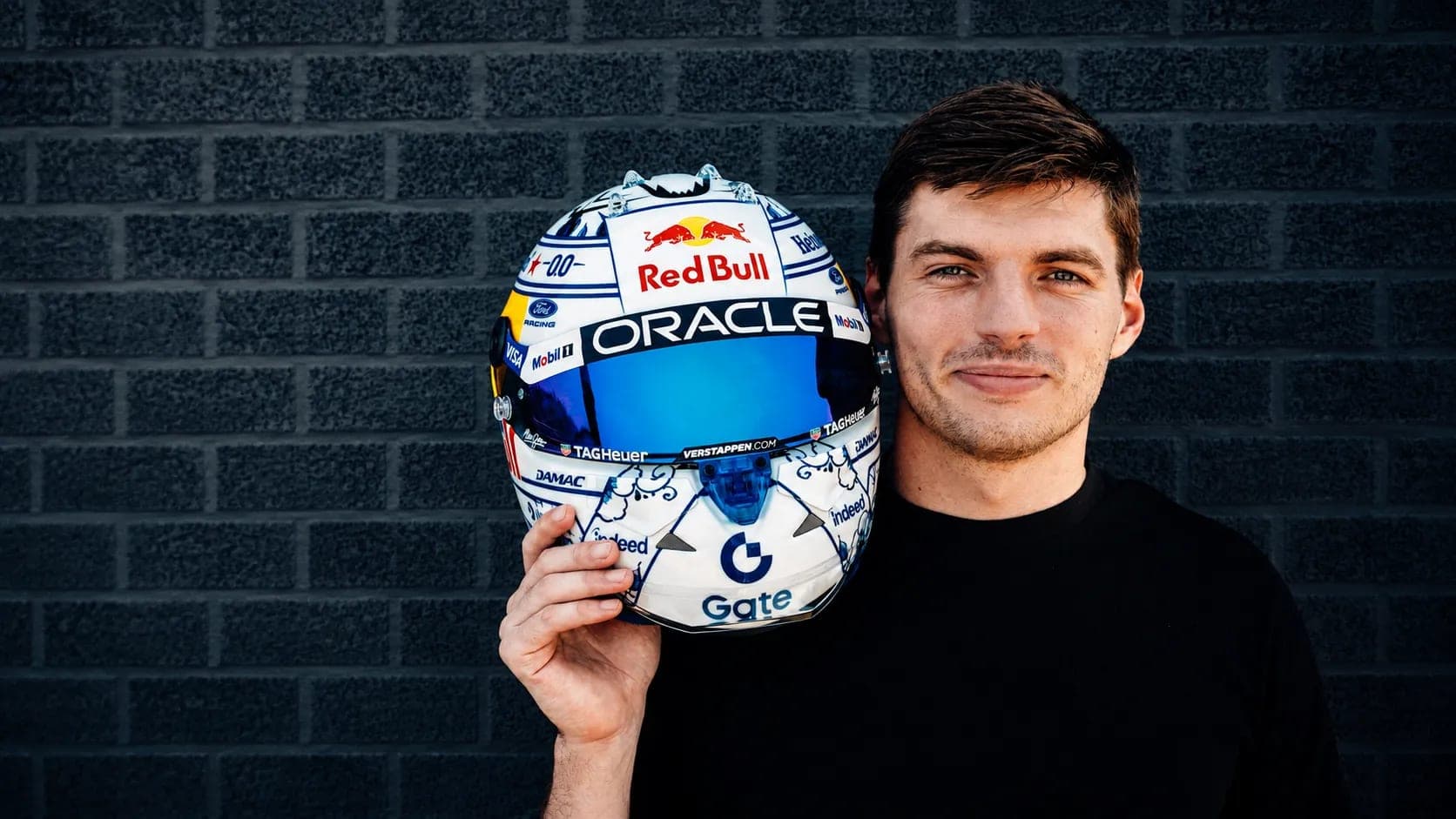
Max Verstappen has revealed a special helmet for this month's Dutch Grand Prix, and it is a beautiful thing: white and blue, inspired by traditional Delftware ceramics, with intricate floral patterns, ornate detailing and his lion crest on the crown. He calls it a tribute to the Netherlands and to Zandvoort, and for his last home race that is exactly right. But the sentiment underneath is worth saying plainly. The Dutch Grand Prix exists because of Verstappen, it thrived because of Verstappen, and it is leaving the calendar just as the Verstappen who made it unmissable begins to fade. The helmet honours a country. The event it bows out from was always a monument to one man.
The helmet, and the goodbye
The 2026 Dutch Grand Prix runs from 21 to 23 August, and it will be the last one. Formula 1 and the promoter agreed a one-year extension for this season, after which the organisers confirmed they would not pursue a longer deal, and Zandvoort drops off the calendar in 2027. Verstappen marked it on social media in the plainest terms: 'For my last home race. Dankjewel Zandvoort,' alongside a nod to 'an iconic Grand Prix' and 'unforgettable memories that will last a lifetime.' The Delftware helmet is the visual full stop, a deliberately, proudly Dutch design for the final time the orange army will fill the dunes for a world championship race. The circuit itself is not going anywhere; other categories will keep racing there. It is Formula 1, specifically, that is leaving.
A race built on one man
To understand why it is ending, remember why it began. Zandvoort returned to the calendar in 2021 for one overwhelming reason: Verstappen. The Netherlands had a title contender turning into a champion, an entire country had gone orange for him, and Formula 1 reached for that energy exactly as it was pushing hard to grow the sport and add new events. The race was a triumph, one of the best atmospheres in modern Formula 1, but the atmosphere was never really about the track layout or the dunes. It was about a home hero at the front and a crowd that believed he would win. The Dutch Grand Prix was, from day one, the Verstappen Grand Prix in all but name.
And it leaves as the bet stops looking safe
Now read the promoter's stated reason, avoiding long-term financial risk, with clear eyes. What is the durable value of a race whose crowds came for one driver, once that driver is no longer a certainty at the front? In 2026 Verstappen sits sixth in the standings, 110 points behind leader Kimi Antonelli, the title long gone, with Red Bull slipped to fourth and picked apart by the rule-makers. The years of guaranteed dominance are over, and his own future is the subject of constant speculation. A Grand Prix that runs on a single hero inherits that hero's form and his choices, and no promoter can underwrite four or five more years of full dunes on a bet that has just turned uncertain. The race is not leaving despite its success. It is leaving because that success was rented from one man, and the lease is up.
Verstappen's calm is the tell
The most revealing thing is how untroubled Verstappen is about it. There is no campaign to save the race, no outrage, just a strikingly level-headed shrug: 'I understand the reasons,' he says, pointing out that 'the circuit will remain' and that other series and test days will keep it alive, so 'it doesn't feel like a farewell.' He has even floated reviving the big orange party through demonstration runs. For the man the entire spectacle was built around to be the calmest voice in the room is telling. He, better than anyone, knows the wave was always his to lend and never Zandvoort's to keep, the way a helmet like his or a great driver's helmet becomes the keepsake once the racing moves on. His serenity is not indifference. It is clarity.
AutoNext Take
The Dutch Grand Prix is a small, clear parable about hero-dependent sport. Build an event on one national champion's dominance and you buy his decline curve along with his glory; the moment the winning stops being certain, the crowds and the contracts start doing sums the good years let everyone ignore. The orange party was genuinely one of the great modern spectacles, and its ending is a real loss for Dutch fans who earned every decibel of it. But it was always contingent, and pretending otherwise would insult how special it actually was.
That is why the Delftware helmet is the perfect artefact for the moment. It is proud, it is gorgeous, and it is a farewell dressed as a celebration, which is exactly what this final Dutch Grand Prix is. Formula 1 is not shrinking; it is adding teams and chasing new markets even as it lets Zandvoort go. What is ending is narrower and more poignant than that: a five-year boom that a country and a sport rode together on the back of one driver. It arrived with Max at his peak, and it leaves as his era does. When the man it was all built for calmly says he understands why, that is the truest word anyone will say about it.