Vision BMW ALPINA revealed as BMW’s new luxury GT future
This is BMW’s answer to a very modern luxury problem.
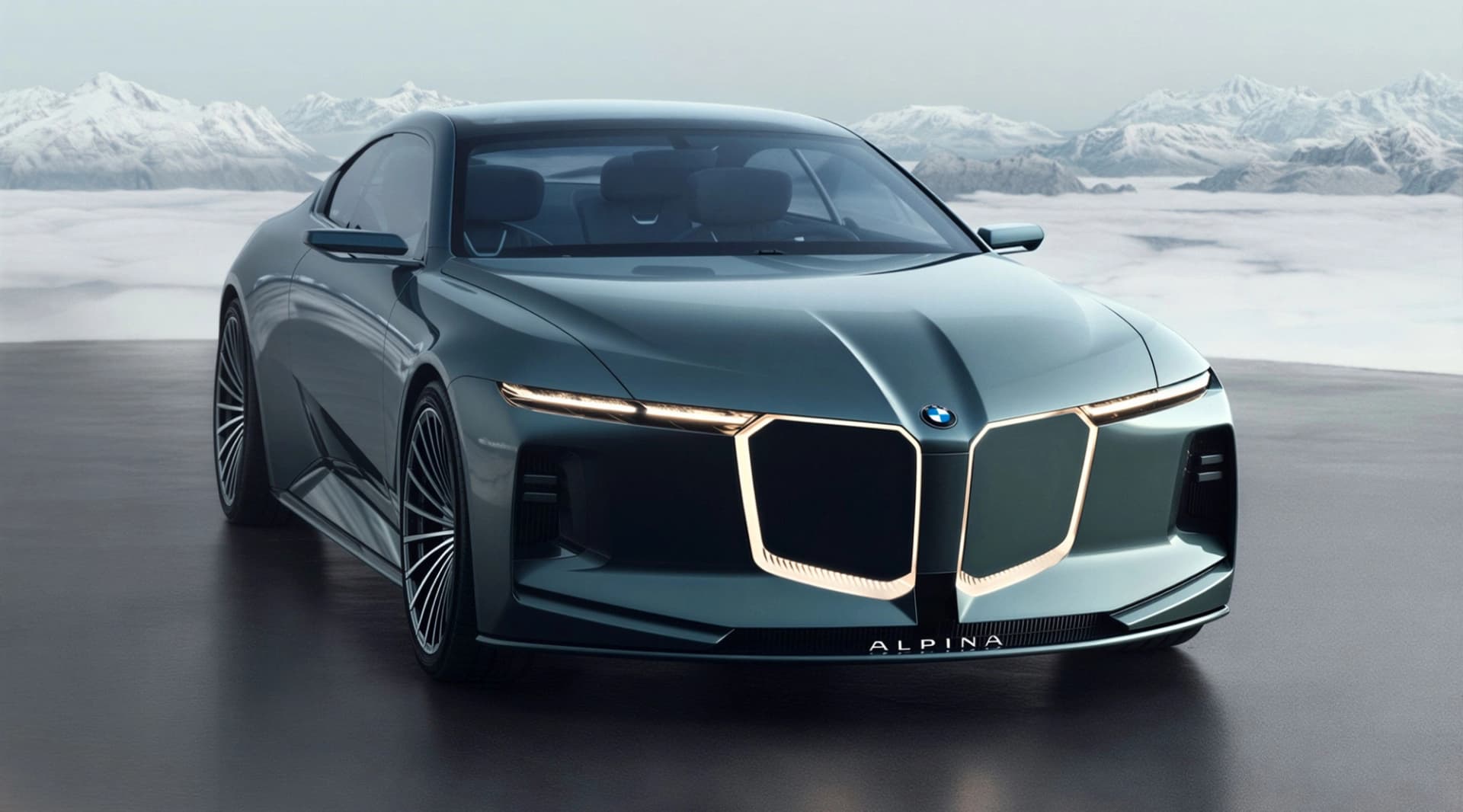
Revealed at Concorso d’Eleganza Villa d’Este, the Vision BMW ALPINA previews the future of ALPINA as a fully integrated BMW Group brand. It is a long, elegant, four-seat grand tourer with a V8 engine, classic ALPINA design references, a shark-nose front end and a clear strategic purpose: to fill the space between BMW’s most expensive luxury models and Rolls-Royce.
The wealthy have more money than ever, BMW already owns Rolls-Royce, and there is a very obvious gap between a high-end BMW 7 Series and the entry point of a Rolls-Royce Ghost. ALPINA now becomes the brand that can sit exactly there.
The Vision BMW ALPINA is a proper statement car.
At roughly 5.20 metres long, it has classic GT proportions: a long bonnet, low roofline, wide stance and a cabin designed for four adults. This is a luxury performance coupé.
ALPINA’s emotional identity was never built on aggression, it was built on effortless speed, long-distance comfort, torque-rich performance and restraint. The Vision BMW ALPINA appears to understand that perfectly, it is a car designed to cross Europe quickly, quietly and expensively. Very ALPINA.
The V8 is the right choice
BMW confirms that the Vision BMW ALPINA uses a V8 engine, with an exhaust character tuned to match the more subtle, refined personality historically associated with ALPINA.
An electric ALPINA could maybe make sense one day. Instant torque, silence and refinement are not alien to the brand. But for the first major concept under BMW ownership, a V8 feels right. It gives the car mechanical credibility, emotional warmth and the kind of effortless performance that fits ALPINA better than a screaming high-rev track engine ever would, ALPINA was always about speed without stress.
The shark nose returns
The front end revives the historical shark nose treatment, with a forward-leaning stance that recalls classic ALPINA models such as the late-1970s B7 Turbo Coupé. The kidney grille is not treated as a flat graphic, but as a three-dimensional sculptural element integrated into the nose.
BMW also introduces what it calls the speed feature line, a character line that starts at the front and rises by six degrees as it runs along the body before wrapping around the rear. It sounds like design language, because it is. But visually, it helps create tension, movement and a sense of controlled forward motion.
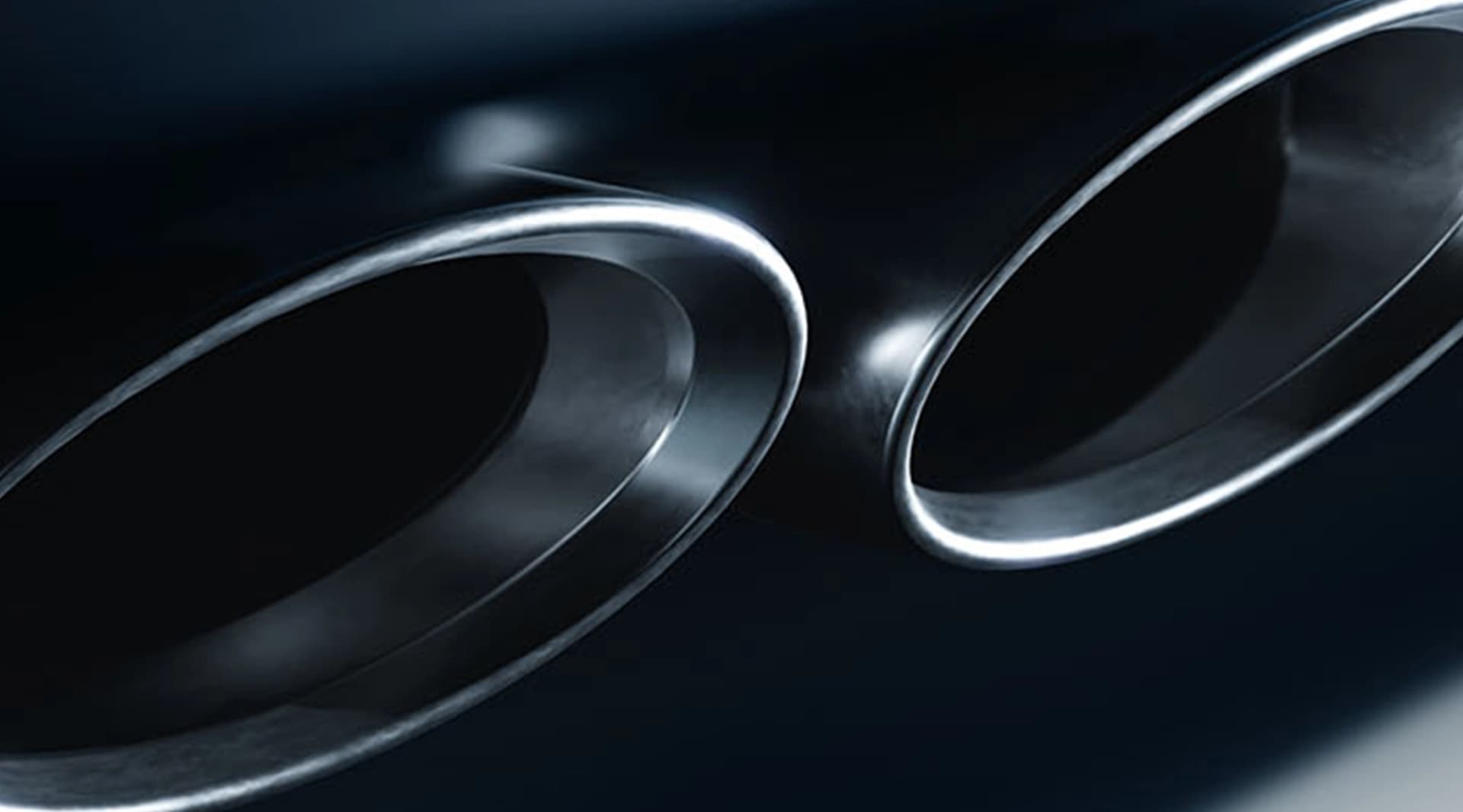
The classic ALPINA deco-lines are now painted beneath the clear coat for a cleaner, more sophisticated finish. The quad exhaust outlets are elliptical. The wheels keep the familiar ALPINA 20-spoke identity, now measuring 22 inches at the front and 23 inches at the rear.
The interior understands ALPINA better than expected
Inside, BMW continues the six-degree theme by dividing the cabin horizontally, separating darker upper surfaces from lighter lower sections.
Full-grain leather, deco-line-inspired stitching, machined metal and crystal controls create a cabin that wants to feel expensive without becoming vulgar. That is the difficult part. This car is clearly aimed at customers who could buy almost anything, but the tone is not nightclub luxury. It is more restrained, more architectural, more private.
The rear compartment is pure grand touring theatre. A glass water bottle and crystal glasses rise from the rear console via a powered mechanism, complete with magnetic holders and concealed lighting. It is slightly absurd, yes. But in this kind of car, slightly absurd is allowed, as long as it is executed with taste.
Comfort as a performance feature
Burkard Bovensiepen, ALPINA’s founder, believed that a comfortable driver is a faster driver. That philosophy appears to remain central in the Vision BMW ALPINA, especially through the continued focus on Comfort+ calibration.
This is where ALPINA can separate itself from BMW M. M is about sharper response, track ability and emotional aggression. ALPINA should be about composure, confidence and speed that feels almost effortless. A car that does not need to punish you to prove it is fast.
The production car comes in 2027
The first production BMW ALPINA under the new structure is expected to arrive in late 2027, and it will reportedly be based on the BMW 7 Series platform.
The 7 Series gives BMW ALPINA the right technical foundation: size, refinement, powertrain flexibility, luxury architecture and global relevance. But the danger is obvious. If the production car feels too much like a 7 Series derivative, ALPINA risks becoming a high-end trim rather than a standalone luxury performance brand.
The Vision concept sets the bar higher.
Now BMW has to follow through.
AutoNext Take
The biggest risk was obvious: BMW could have turned ALPINA into a badge exercise. A few exclusive colours, a softer suspension tune, some nice wheels and a price increase. That would have been easy. It also would have missed the entire point. This concept suggests something more serious.
The challenge is that ALPINA’s old magic came from being slightly outside the system. It felt like a secret handshake for people who understood BMW better than most. Now that ALPINA is fully inside BMW Group, that outsider charm is at risk.
The Vision BMW ALPINA looks promising, now BMW has to prove the production car will be just as brave.