Volkswagen's cheeky little Tukan pickup is everything Europe stopped building
The most sensible new Volkswagen of the year is one Europe has already decided it does not want
Volkswagen has just pulled the covers off the Tukan, a small, cheerful, genuinely useful pickup named after a toucan. It is compact, honestly built and aimed at people who actually need a load bed rather than a lifestyle statement. It is also, sadly, not coming to Europe, and the reason why says rather a lot about the state of our market.
A baby Amarok with a toucan's name
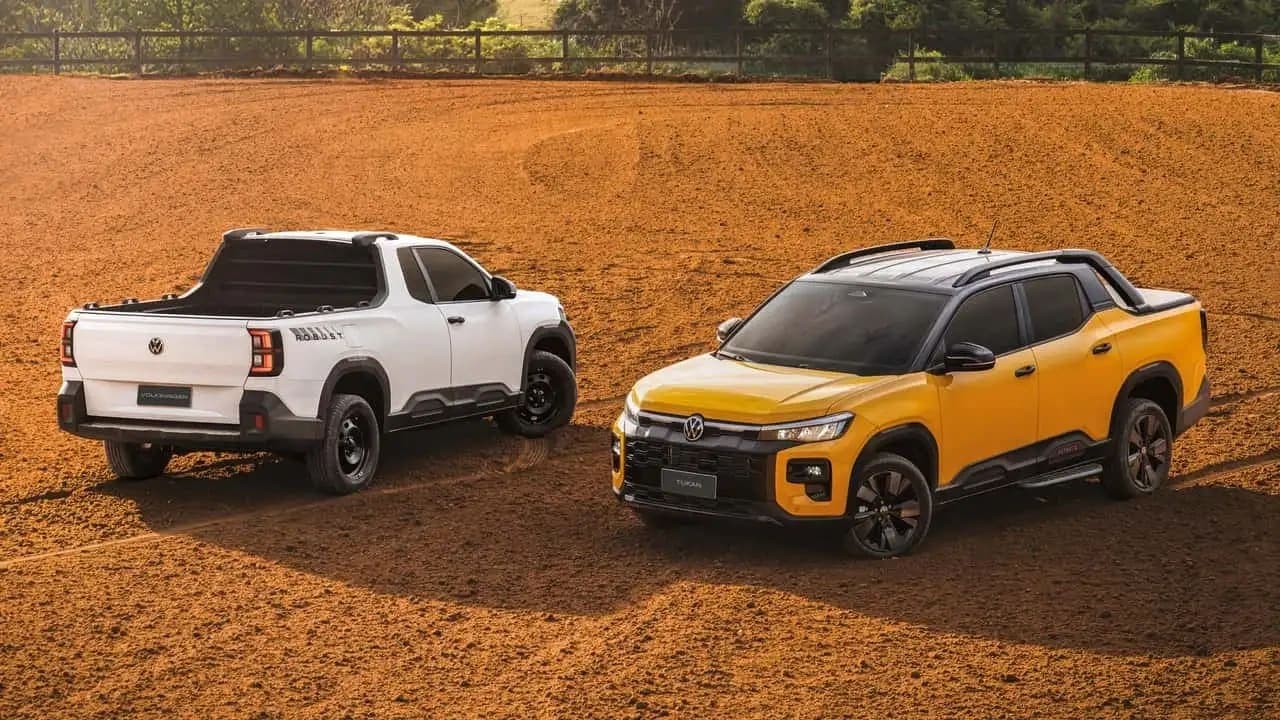
The Tukan is a compact pickup that slots in well below the larger Amarok, and it replaces the long-serving Volkswagen Saveiro in South America. It will be built in Brazil, where small pickups are big business, accounting for close to a fifth of all new-car sales, and it goes head to head with the hugely popular Fiat Strada. Buyers get a choice of a single cab for maximum load space or a double cab for carrying people too, and the front end borrows heavily from the T-Roc, right down to the punchy yellow of the reveal car.
Built for real work, not the school run
Underneath, it uses an adapted version of Volkswagen's MQB platform, the same basic architecture as a T-Roc, but with a crucial difference at the back: a solid rear axle on leaf springs instead of a sophisticated multi-link setup, exactly the kind of tough, payload-friendly engineering a working pickup needs. Two flavours are offered, a utilitarian Robust with steel wheels, black bumpers and a bigger bed, and a smarter Extreme on dark alloys. Volkswagen has not confirmed the engines yet, with mild-hybrid petrol units rumoured, likely a naturally aspirated 1.6 and a turbocharged 1.5. Sales in South America start in the first half of 2027.
Why Europe misses out, and what that reveals
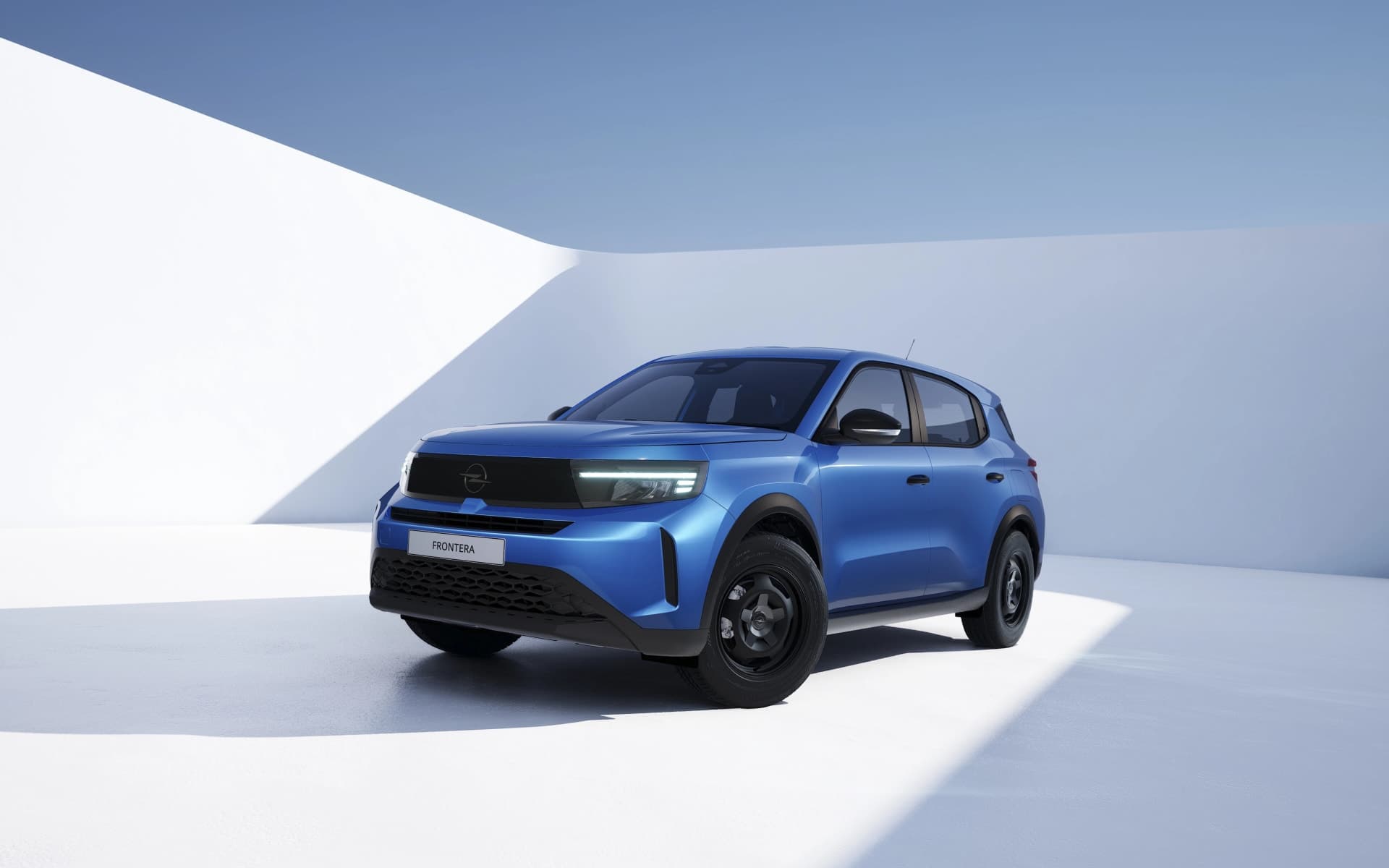
The official line is simple: this is a South American model for South American needs, and there are no plans to sell it here. But the more interesting point is why a cheap, practical pickup like this no longer fits Europe at all. Our market has drifted relentlessly towards big, expensive and heavily equipped, the same trend that has pushed affordable small cars to the brink and left back-to-basics models feeling almost radical, as Opel proved with the bargain Frontera. A stripped-back workhorse on steel wheels simply does not clear the cost, margin and regulatory hurdles a European launch demands, which is the same reason other sensible models built for cheaper markets never reach us.
AutoNext Take
There is a lot to like about the Tukan, and almost none of it is flashy. It is the right size, it is built to do a job, and it does not pretend to be a luxury SUV with a bed bolted on the back. In a world of ever-taller, ever-pricier trucks, a compact pickup that focuses on being genuinely useful feels refreshingly grown-up, and Brazil is lucky to have it.
The nagging thought is what its absence says about us. The continent that more or less invented the affordable, practical car increasingly struggles to make one add up, squeezed between rising costs, thin margins and a customer base nudged ever further upmarket. The Tukan is not a car Europe forgot to build so much as one it can no longer quite justify, and a cheerful little pickup named after a tropical bird is an oddly pointed reminder of that. We would take one in a heartbeat, which is rather the problem.