Wanting a manual gearbox does not make you a dinosaur, it makes you honest about why you drive
Traffic did not kill the manual gearbox. Convenience did, and convenience is not the same thing as progress.
The manual gearbox is worth keeping. Not because it is quaint, and not because it says something nice about the past, but because it remains the only mechanical layer between what a driver wants a car to do and what the car actually does that neither automation nor electrification has bothered to replace. In a world where parking, braking and overtaking are increasingly handed to software, and where most new performance cars are electric before they are anything else, holding onto three pedals is not stubbornness. It is a deliberate choice about what driving is actually for.
The manual gearbox is not about speed, it is about attention
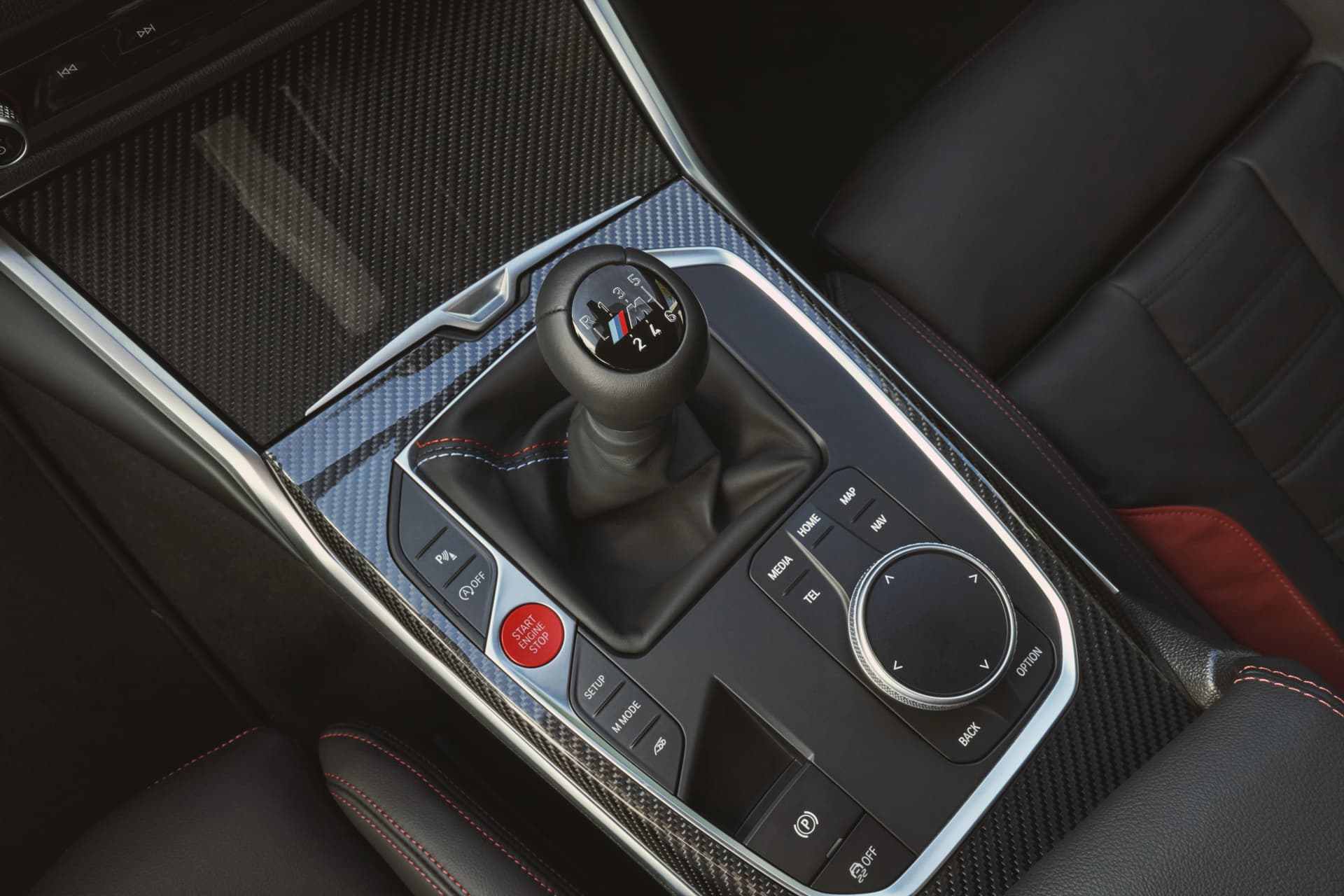
A manual gearbox forces a driver to keep deciding: which gear, when, how much throttle to meet it with. None of that makes a car faster than a modern dual clutch box, and nobody serious claims otherwise. What it does is keep a driver's hands and mind occupied with the actual job of driving, even at walking pace in traffic, even on the most boring commute of the week. Stuck in a queue, an automatic just idles forward. A manual keeps asking something of you, however small, and that small demand is exactly what keeps a driver a driver rather than a passenger with a wheel.
Automatics are faster, smoother and more efficient, and none of that settles the argument
This is where the counterargument usually lands, and it is correct. A modern dual clutch or automatic gearbox will out shift any human, hit a lower lap time, use less fuel or battery, and never miss a shift under braking. None of that is in dispute. But efficiency and lap times are not why most people who want a manual want one. They want it for the same reason some people still prefer a mechanical watch to a phone that tells better time. The argument was never that manual is faster. The argument is that faster was never the only thing driving was supposed to be.
Electrification makes the case for manual stronger, not weaker
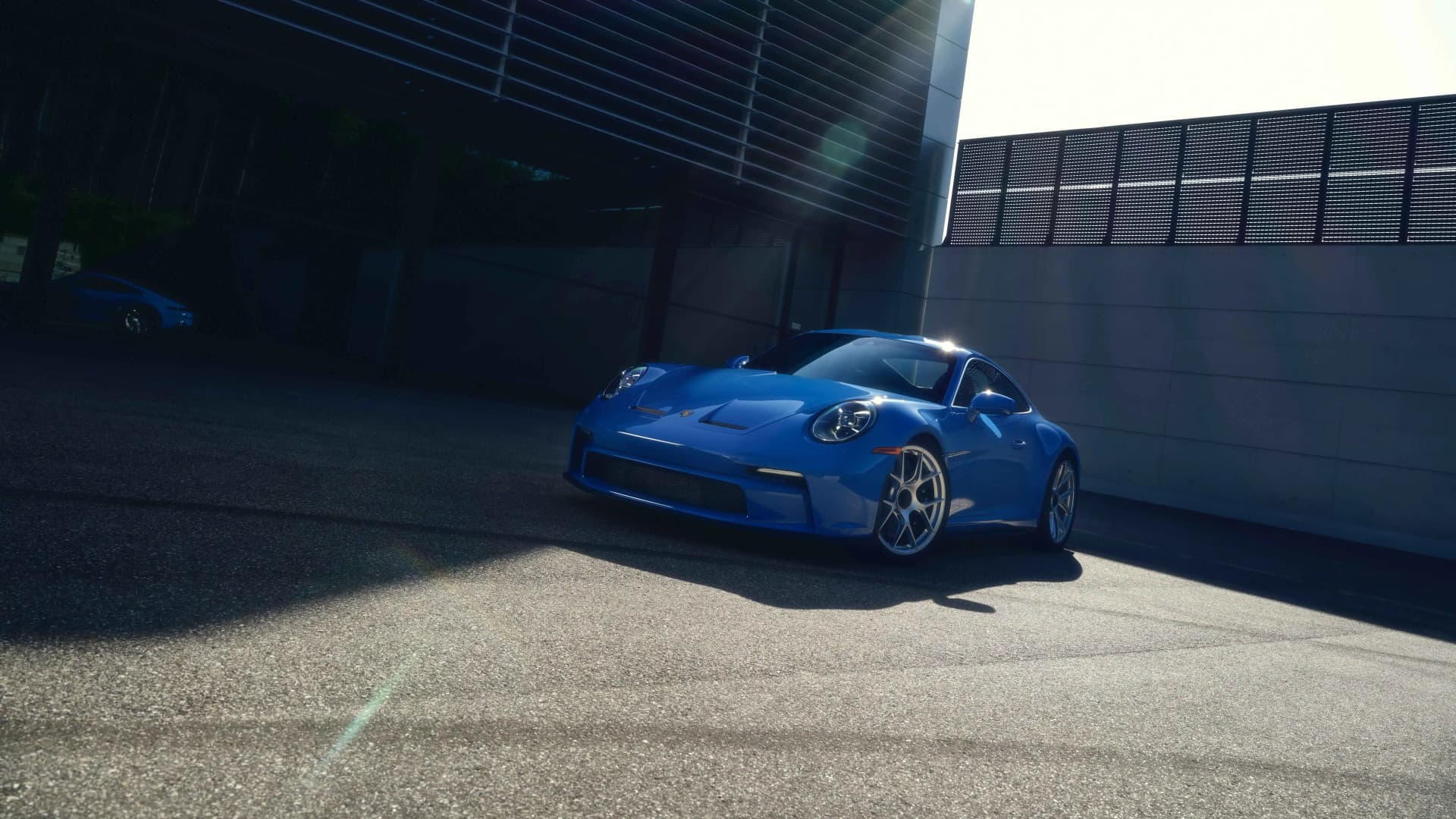
Electric cars are, mechanically, the opposite of everything a manual gearbox stands for. There is no clutch to feather, often no gearbox at all, and the instant, uninterrupted torque that makes EVs so quick also removes the one thing a manual gives a driver: a reason to time an input. That is precisely why the manual argument gets sharper as electrification spreads, not weaker. Alpine has already built its last combustion sports car before switching to an electric successor. Ferrari, of all manufacturers, thought the argument important enough that it brought a manual gearbox back for its V12 flagship. And Porsche has said outright that the 911 will not go fully electric, because removing the last combustion, manual option from that specific car would remove the reason people buy it in the first place. None of these are companies chasing nostalgia. They are companies reading the room correctly.
The industry has noticed something the spreadsheets missed
This is not just enthusiast wishful thinking. Lancia brought the manual gearbox back on a car that did not strictly need it, and called it one of the smartest moves the brand made all year, which is a business decision, not a sentimental one. BMW even built a manual, rear-wheel-drive M3 CS, and then, in a twist that says everything about how confused this transition still is, sold it everywhere except the market that usually asks loudest for exactly this car. And at the far more affordable end of the market, the Mazda MX-5 keeps proving that a manual gearbox and modest power are still enough to make a car worth queuing for on a track day. The demand did not disappear. It just stopped being obvious from a spreadsheet.
AutoNext Take
Keeping a manual gearbox alive is not about refusing the future. Automation and electrification have already won the arguments they were supposed to win: safety, efficiency, outright speed. Nobody sane is arguing a manual gearbox should control a two tonne SUV's emergency braking. But driving, at its best, was never only about getting from A to B with the least effort possible. It was about being asked to participate, and a manual gearbox is the last cheap, reliable way to guarantee that a car keeps asking.
Wanting that is not being a dinosaur. Extinction is what happens to species that stop paying attention to their environment. The people asking to keep a stick and three pedals are doing the opposite: paying closer attention to what they are driving than almost anyone else on the road.