Chinese cars, British hands, Japanese factory: is this the new automotive world order?
One factory that sums up how tangled the global car industry has become
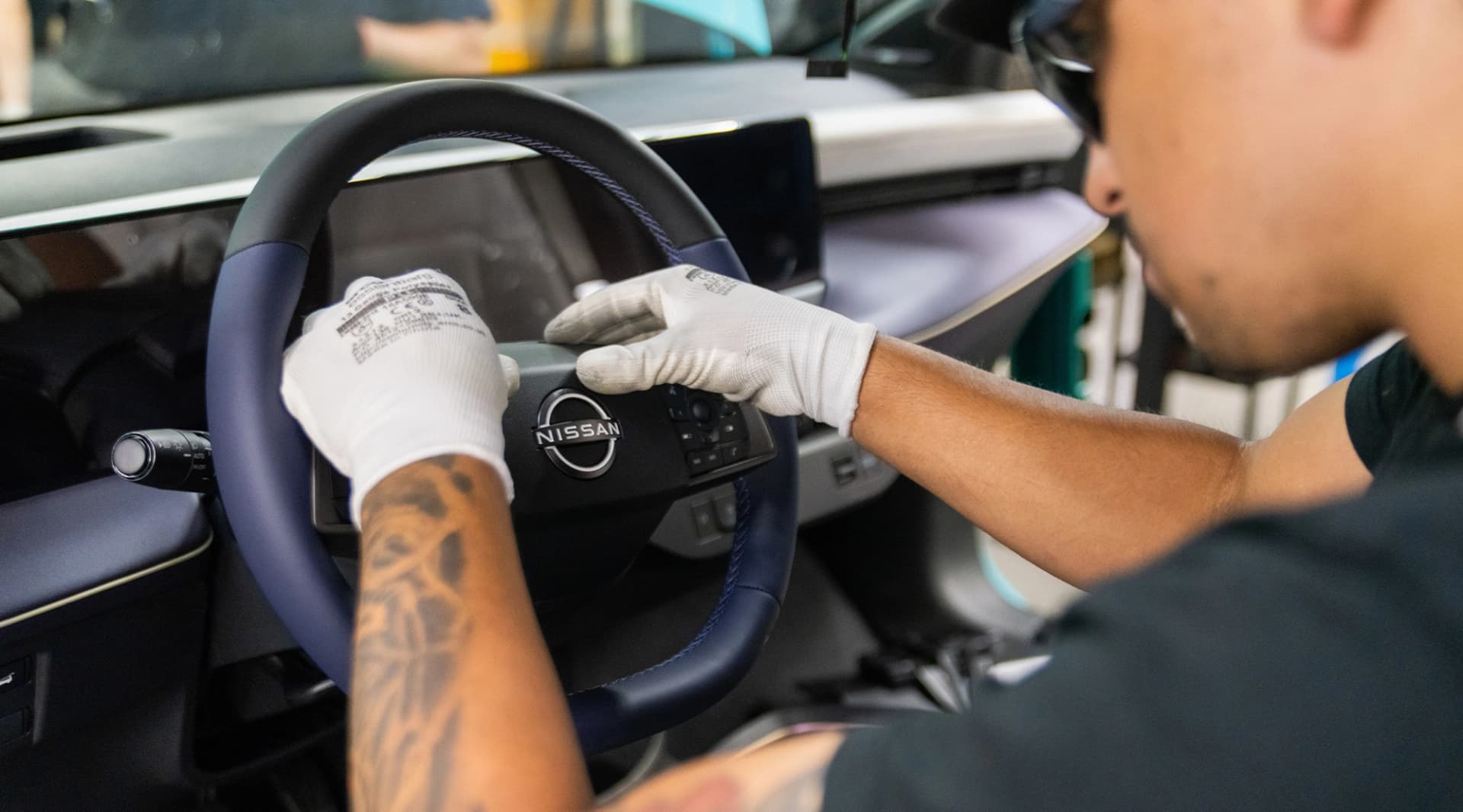
Here is a glimpse of how tangled the global car industry has become. Nissan, a Japanese company, has reportedly been in talks with China's Chery about building Chinese-brand cars, using British workers, at its Sunderland plant in the north-east of England. It is exactly the kind of arrangement that would have sounded far-fetched not so long ago.
What is reportedly on the table
According to the Financial Times, Nissan and Chery have signed a non-binding memorandum of understanding to study building vehicles under Chery's Omoda and Jaecoo brands at Sunderland. Helpfully, the plant has separate production lines in different buildings, which makes it easier to run another manufacturer's cars alongside Nissan's own without the two getting in each other's way. It is a study, not a signed manufacturing deal, at least for now.
Why Nissan might want this
The logic is all about keeping the lights on. Sunderland is the UK's largest car plant and employs around 6,000 people, but it has reportedly been running at only about 50 percent capacity. By sharing the factory with another carmaker, Nissan could spread the enormous fixed costs of running it, and crucially do so without necessarily having to cut jobs from its own workforce. For Chery, it would mean a ready-made European production base, handy at a time when the EU is raising tariffs on cars imported from China.
Do not get carried away yet
A big note of caution is needed. People familiar with the talks have warned that the discussions with Chery may not ultimately turn into a commercial deal, and Nissan has reportedly held similar conversations with other companies about using the plant. So while the idea is real and telling, it is far from a done deal, and nothing has been formally confirmed by either side.
AutoNext Take
Chinese cars, British hands and a Japanese-owned factory really might be a snapshot of the new automotive world order. A decade ago the idea would have been unthinkable, but with Chinese brands surging and legacy makers sitting on underused European plants, this kind of pragmatic pairing suddenly makes total sense. If it protects 6,000 British jobs and helps keep a great factory busy, it is hard to be against, even if it feels strange. The bigger picture is clear either way: Chinese manufacturers are becoming impossible to ignore, and the old lines between national industries are blurring fast. This may not be the last deal of its kind we see.
The Chinese wave keeps building: BYD just cracked 2 percent in Belgium, Lynk & Co is bringing its 07 GT to Europe, and it all unfolds as the EU prepares tariffs on Chinese cars.