Xiaomi is recruiting European dealers for its 2027 arrival
Every Chinese brand says it is coming to Europe. This one has started asking who wants to sell the cars.
Xiaomi Auto switched on its first properly international shopfront on 26 August, and the headline sitting on it is not a model, a price or a range figure. It reads: officially coming to Europe in 2027. Underneath it is a dealer and distribution inquiry form, which is the part that matters. A website is marketing. Recruiting retail partners is a commitment with a calendar attached.
Germany first, then the rest
Company president William Lu said in May that the overseas push would formally begin in the third or fourth quarter of 2027, and Germany is the intended first stop, with France and Italy expected to follow. Right-hand-drive markets including the UK are pencilled in for 2028. That order is not sentimental. Germany is where Xiaomi has spent the past two years hiring and testing, and it is the market that decides whether European buyers file the brand under serious car company or under phone maker with a sideline. Win there and the rest of the continent becomes an admin exercise. Lose there and no amount of Instagram reach fixes it.
A Munich office full of ex-BMW badges
Xiaomi opened a European research and development centre in Munich in April 2026 with roughly 50 staff, aimed at high-performance cars, design and vehicle dynamics. The names on the door are the real signal. General manager Rudolf Dittrich came from the BMW M4 GT3 programme, vehicle dynamics lead Claus-Dieter Groll worked on the 3 Series, Z4 and the X cars, and Kai Langer, who styled the BMW i8, runs user experience. Exterior design falls to Fabian Schmoelz-Obermeier, previously on the Porsche 911 GT3 RS and the Lamborghini Temerario, while Dusan Sarac arrived from the Rolls-Royce Cullinan. That is not a liaison office. That is a development team.
Five cars in the window, no export list
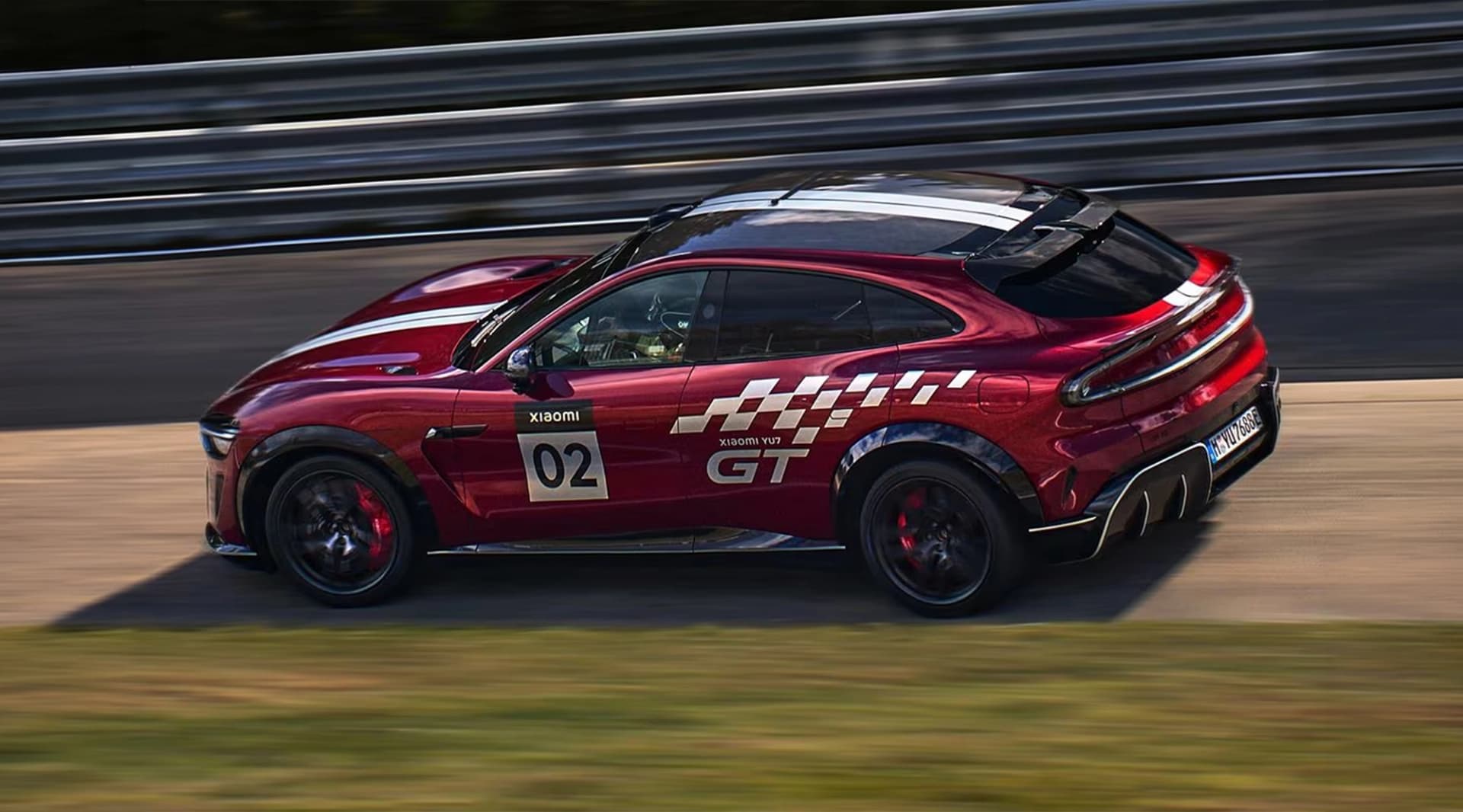
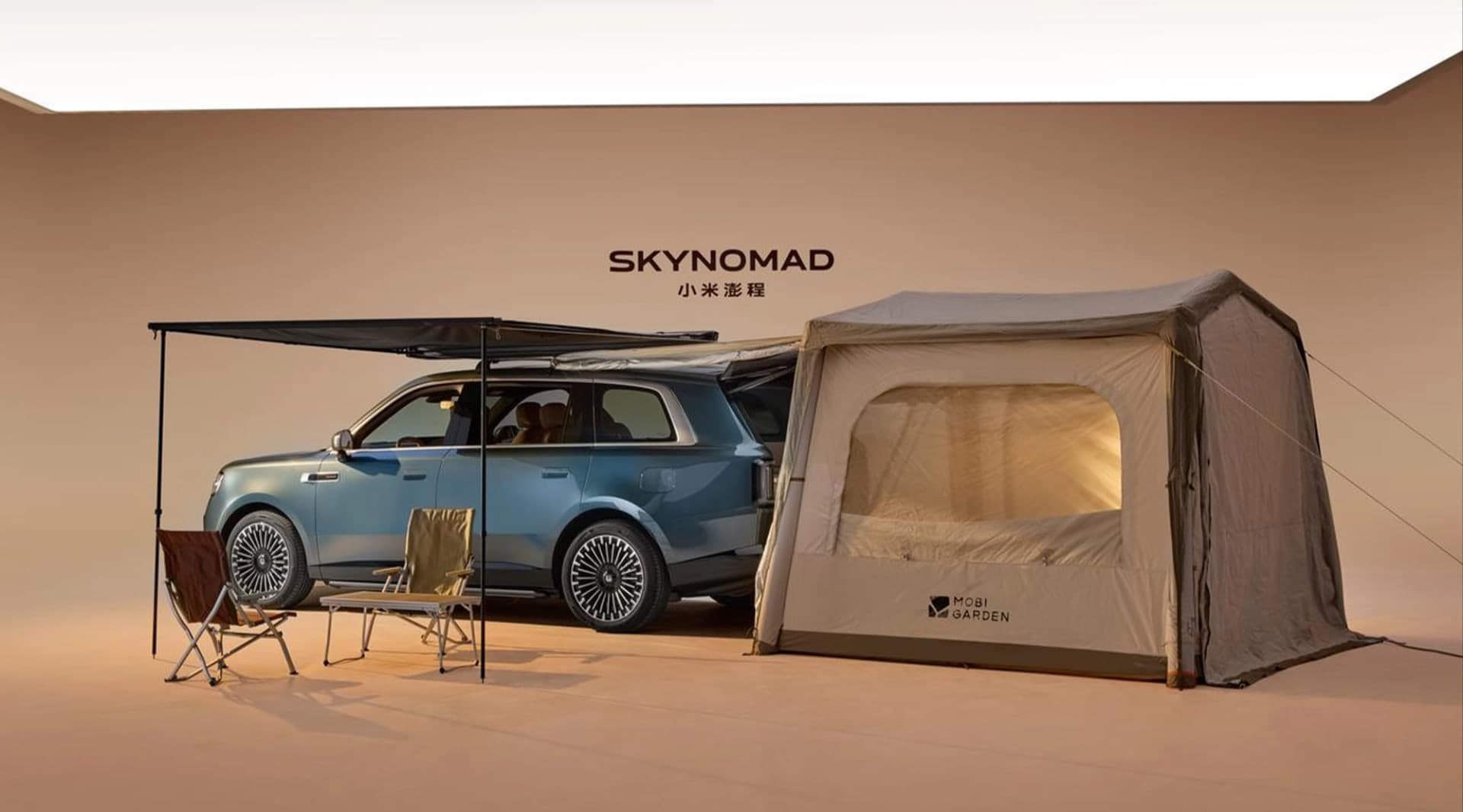
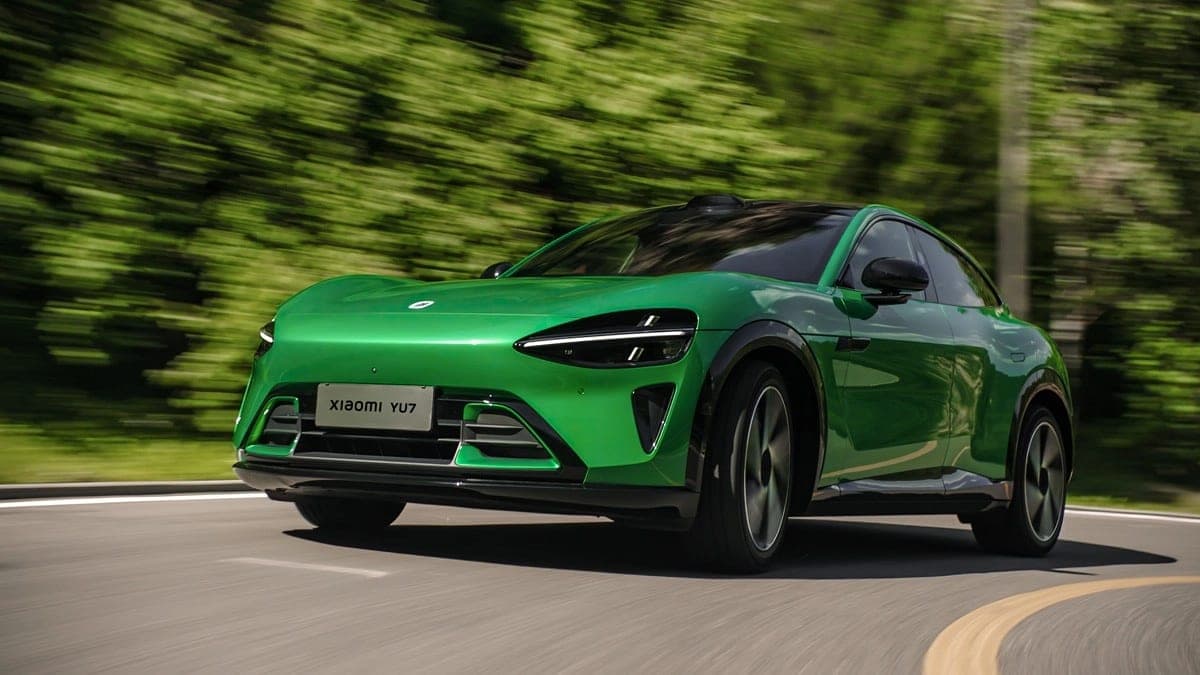
The site shows the SU7 saloon, the SU7 Ultra, the YU7 GT, the Sky Nomad and the Vision Gran Turismo concept, without committing to which of them actually crosses the water. The safe reading is that a facelifted SU7 leads, because it is the volume car and the one Xiaomi has been running on German roads. The halo models do the advertising instead: the YU7 GT took the Nuerburgring SUV record off an Audi RS Q8, and the Sky Nomad is a range-extended SUV claiming 1,700 km between stops. Neither is what a German family buys. Both are why that family will look.
The numbers at home are not helping
Xiaomi delivered 31,267 cars in July, up 2.68 percent on the same month last year but down almost 10 percent on June. Across the first seven months it managed 216,322 cars, 39 percent of a 550,000 annual target that now needs roughly 66,700 a month to land. The car and AI division posted an operating loss of 2.6 billion yuan, roughly €330 million, in the second quarter. Xiaomi has said it expects the car business to turn profitable in the second half of 2026, and the European launch is timed to arrive just after that line is crossed. If the profit slips a quarter or two, the launch budget becomes a much harder conversation.
Europe is already crowded with Chinese badges
By 2027 Xiaomi will not be the novelty. BYD, Leapmotor, Omoda, Xpeng and MG will all have years of European registrations, dealer coverage and warranty history behind them, and Leapmotor was the fastest-growing brand in Europe in the first half of 2026. EU tariffs on Chinese-built electric cars still apply, which pushes any serious entrant towards local assembly or a partner with spare European capacity, and Xiaomi has announced neither. What it does have is a consumer brand that millions of Europeans already carry in a pocket, plus retail habits and an app ecosystem that no other Chinese carmaker brought with it. That is a strange advantage, but it is a real one.
AutoNext Take
The dealer portal is the tell. Brands announce European ambitions constantly and then let the date quietly slide, and almost none of them start asking retail groups to raise their hands two years out, because that conversation creates obligations on both sides. Xiaomi has opened it while still losing money on cars in its home market, which suggests Europe is not a hedge against a slow quarter in China. It is the point of the exercise.
The risk is the one every consumer-electronics brand meets when it starts building metal. Europeans will forgive a slow software update. They will not forgive a car that cannot be serviced within an hour of home. Get the network right and the badge takes care of itself.