Smart teased its new #2 with murals, then a Chinese filing gave away the rest
Smart wanted to reveal its new #2 city car gradually, through a global street art campaign building anticipation for an October unveiling at the Paris motor show. A Chinese homologation filing skipped straight to the spec sheet, two months early
Smart's return to proper city cars, after several years spent building out a range of electric crossovers, was meant to arrive through carefully staged reveals rather than a single press release. Instead, murals in six cities gave away the design in pieces, and paperwork filed with China's Ministry of Industry and Information Technology (MIIT) gave away almost everything else, including power, weight and battery chemistry, well before Smart intended.
The murals were the planned part
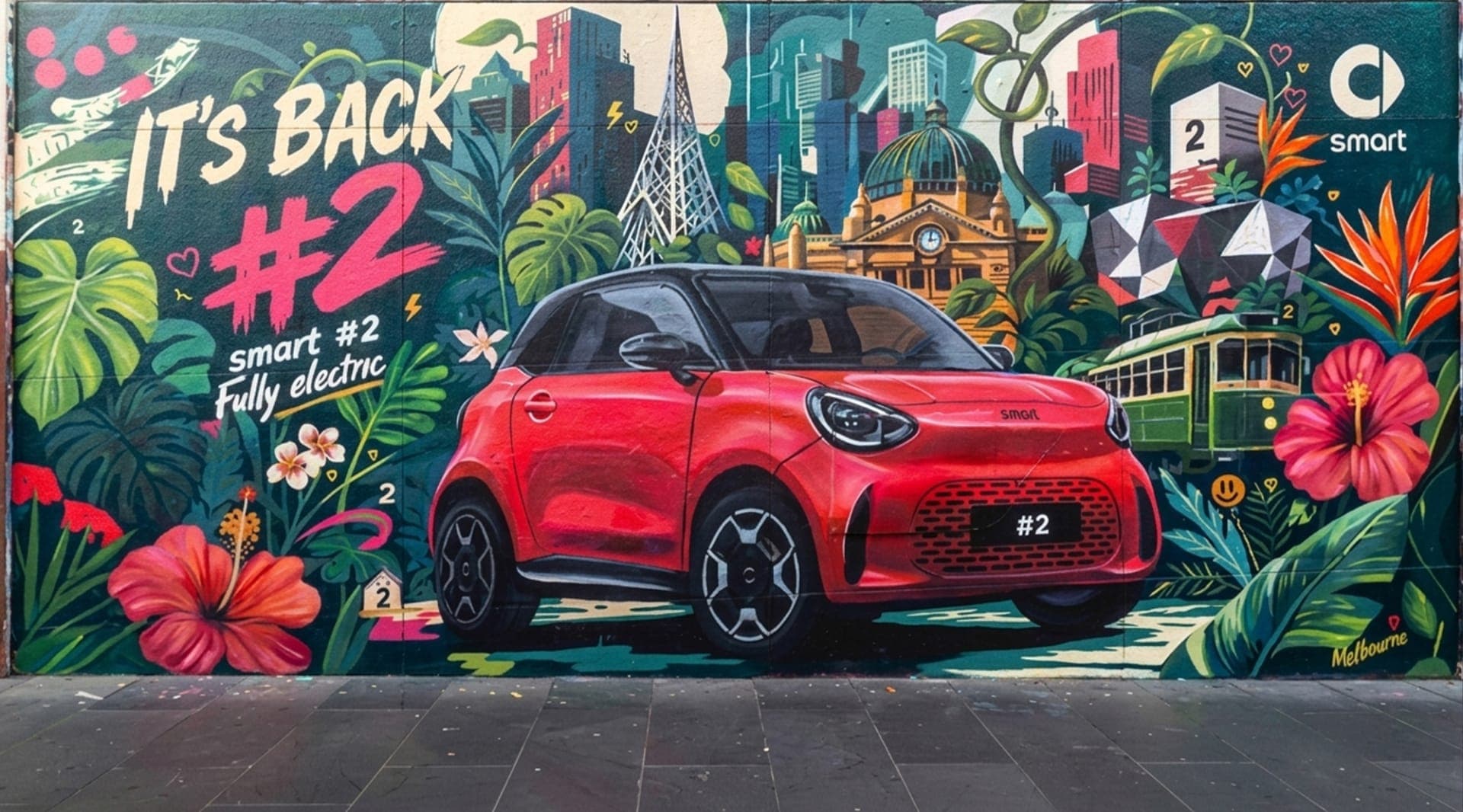
Smart's “Change of Perspectives” campaign turned public walls in Berlin, Paris, Shanghai, Hong Kong, Buenos Aires and Melbourne into what the brand called open-air galleries, with artists Martín Ron, Georgia Laurie, Zhu Bin and the Parents Parents collective working alongside Mercedes-Benz's design team. Each city took a different angle: Shanghai's mural blended traditional and modern urban motifs, while Hong Kong leaned on the #2's ultra-compact footprint as the natural fit for a dense city. The murals showed a shark-nose front end, a ventilated grille, vertical air curtains, rounded fenders and circular taillights, all consistent with a short, tall-cabined city car rather than anything larger.
The paperwork was not
The MIIT filing was never meant to double as a reveal, but it confirmed details Smart itself had not. The #2 gets an 81 hp drive motor, and a lithium iron phosphate battery pack, a chemistry choice that favours cost and longevity over outright energy density. The filing also lists a kerb weight of 1,130 kg and a length of just 2.75 metres, a few centimetres off the 2,792 mm quoted elsewhere, which is the kind of small discrepancy that tends to appear between an early filing and a market-specific final spec.
What Smart itself has already confirmed
Smart has separately confirmed a range of 186 miles (300 km) and 10 to 80 percent DC fast charging in under 20 minutes, along with vehicle-to-load capability that lets the battery power external devices. The brand has also claimed a turning circle of 6.95 metres, tighter than the figure required of a London black cab, which is precisely the kind of statistic a genuine city car should be proud of.
Smaller than almost anything else on sale
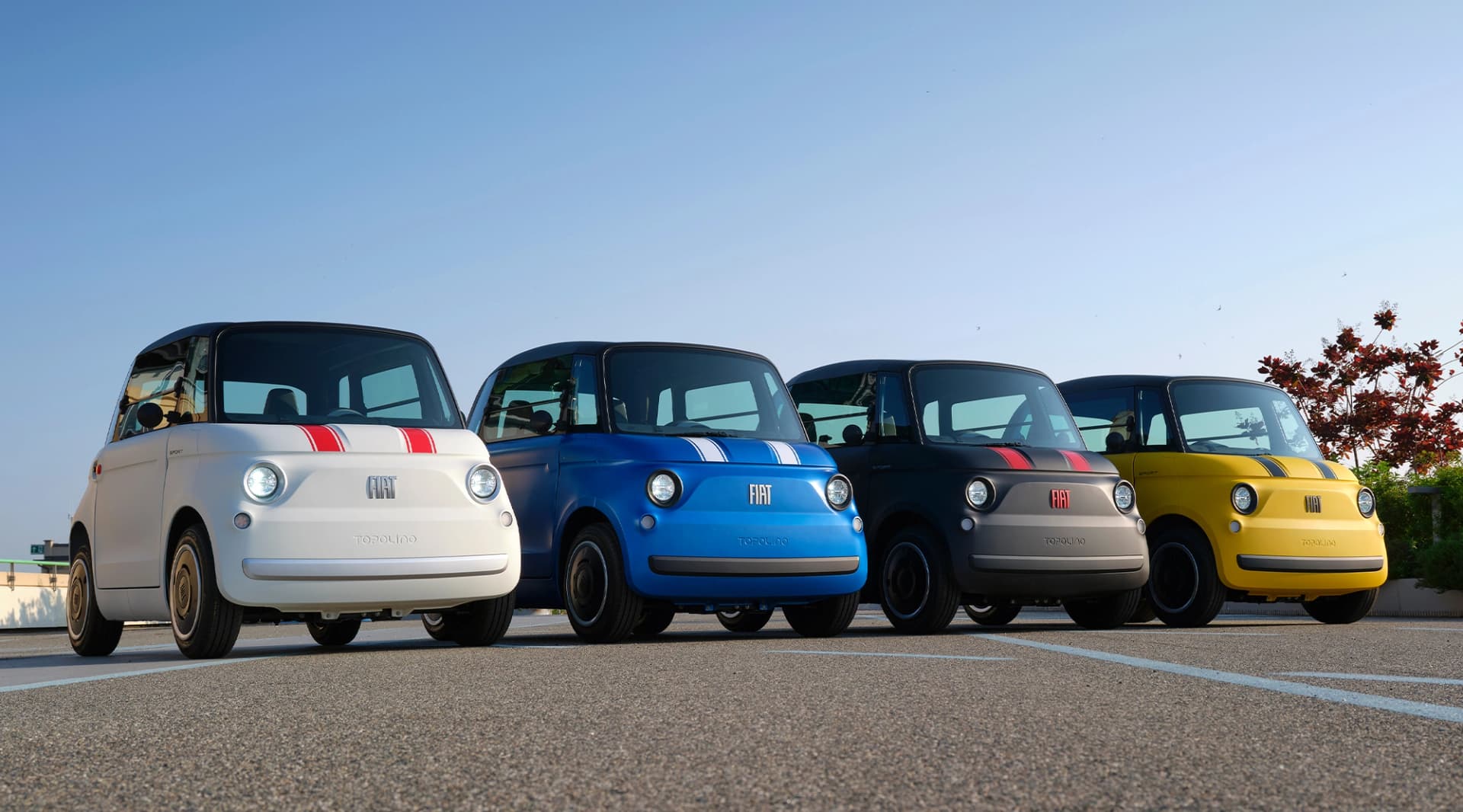
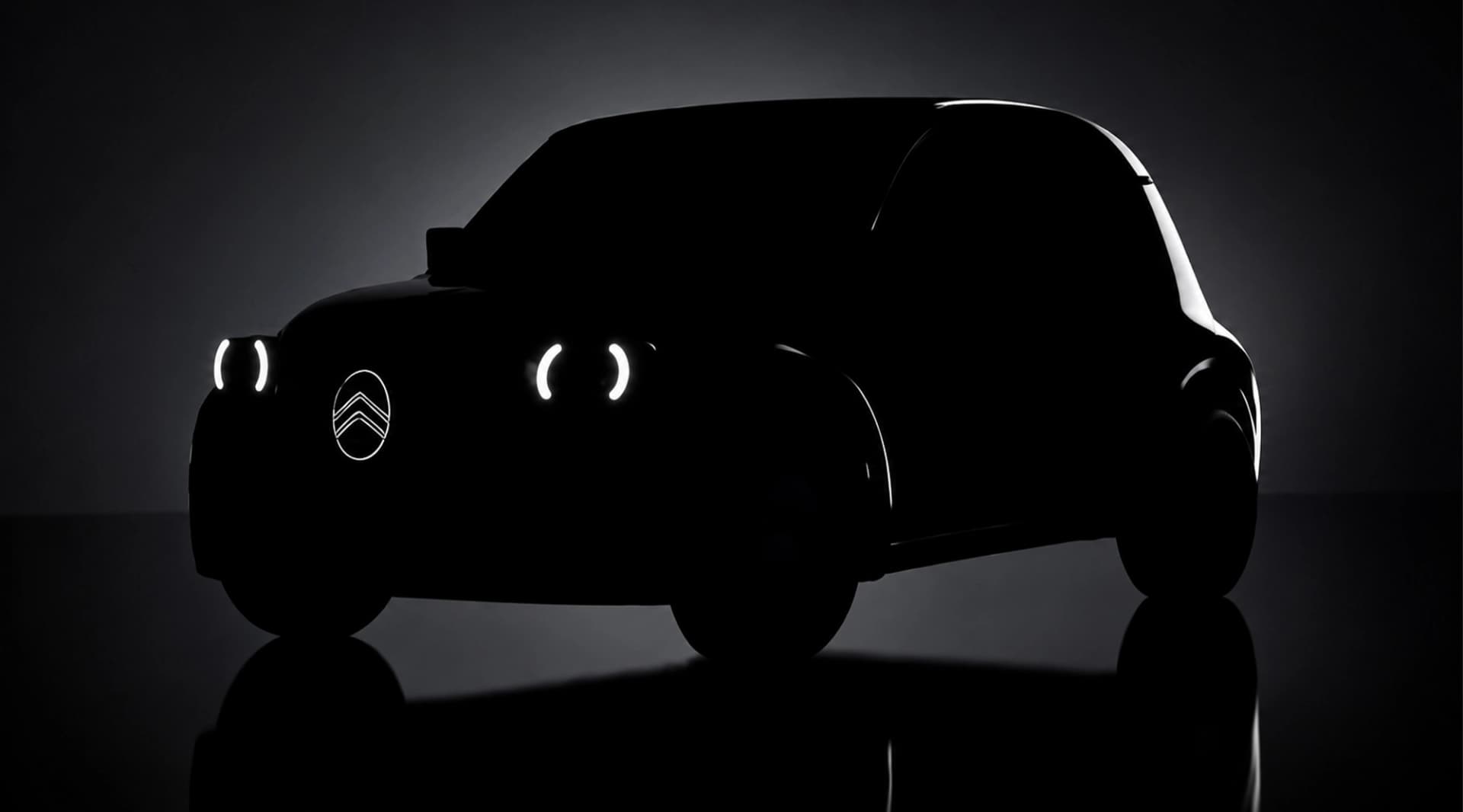
At 2.75 metres long, the #2 sits closer to quadricycles like the [Fiat Topolino]() and Microlino than to full-sized city EVs such as the Dacia Spring or Fiat 500e, and Smart appears comfortable positioning it that way. That is a deliberate return to the original Fortwo's actual selling point, being genuinely, unapologetically tiny in a market where most “small” EVs have quietly grown over the past decade. It also arrives alongside [Citroën's own revived 2CV](), another heritage nameplate returning specifically to serve this same affordable city-EV space.
A bench seat signals a move upmarket
Rather than repeat the Fortwo's two individual bucket seats, the #2 switches to a bench seat, a change aimed at improving usable interior space within the same tiny footprint. Kai Sieber, head of Smart design at Mercedes, said of the concept that a city car “should spark joy,” and the more resolved production design, plus a bench-seat interior, suggests Smart wants the #2 to feel like a step up rather than a straight replacement.
Mercedes and Geely split the job cleanly
The #2 is co-developed by Mercedes-Benz, which led the design, and [Geely](), which supplied a bespoke architecture built specifically around the car's diminutive dimensions. That division of labour, rather than a shared platform stretched down to size, is part of why Smart can claim genuinely class-leading compactness instead of a scaled-down version of something built for a bigger car.
Pricing and the wait until October
Smart has not confirmed pricing, though earlier reporting points to a target below €22,500, within a previously indicated €20,000 to €25,000 range. The outgoing Fortwo cost around €25,700 (£22,000) when it was discontinued in 2024, and a more upmarket cabin plus a considerably longer features list suggest the #2 will land above that figure rather than below it. The full reveal is due at the Paris motor show in October, with UK dealerships and first customer deliveries expected in 2027.
AutoNext Take
There is something quietly funny about a car brand staging a six-city global street art campaign to build mystique around a reveal, only for a government paperwork filing to hand over the actual spec sheet weeks later. Murals are marketing. Homologation filings are not, which is exactly why they tend to be more useful.
What the leak actually shows is more interesting than the leak itself: an 81 hp motor and a 1,130 kg kerb weight on a 2.75 metre footprint is a genuinely committed small car, not a marketing exercise dressed up as one. Whether Smart can price it close to what the old Fortwo cost, rather than well above it, will decide whether the #2 becomes a real successor or just a nostalgia act with a bench seat.