SRT built an electric compressor to make a turbo six feel like a Hellcat V8
SRT's new eBoost Air system uses an electric compressor to erase turbo lag on its twin-turbo Hurricane inline-six, chasing the instant punch of the supercharged Hellcat V8 it can no longer build. It took engineers just seven weeks to go from concept to running prototype
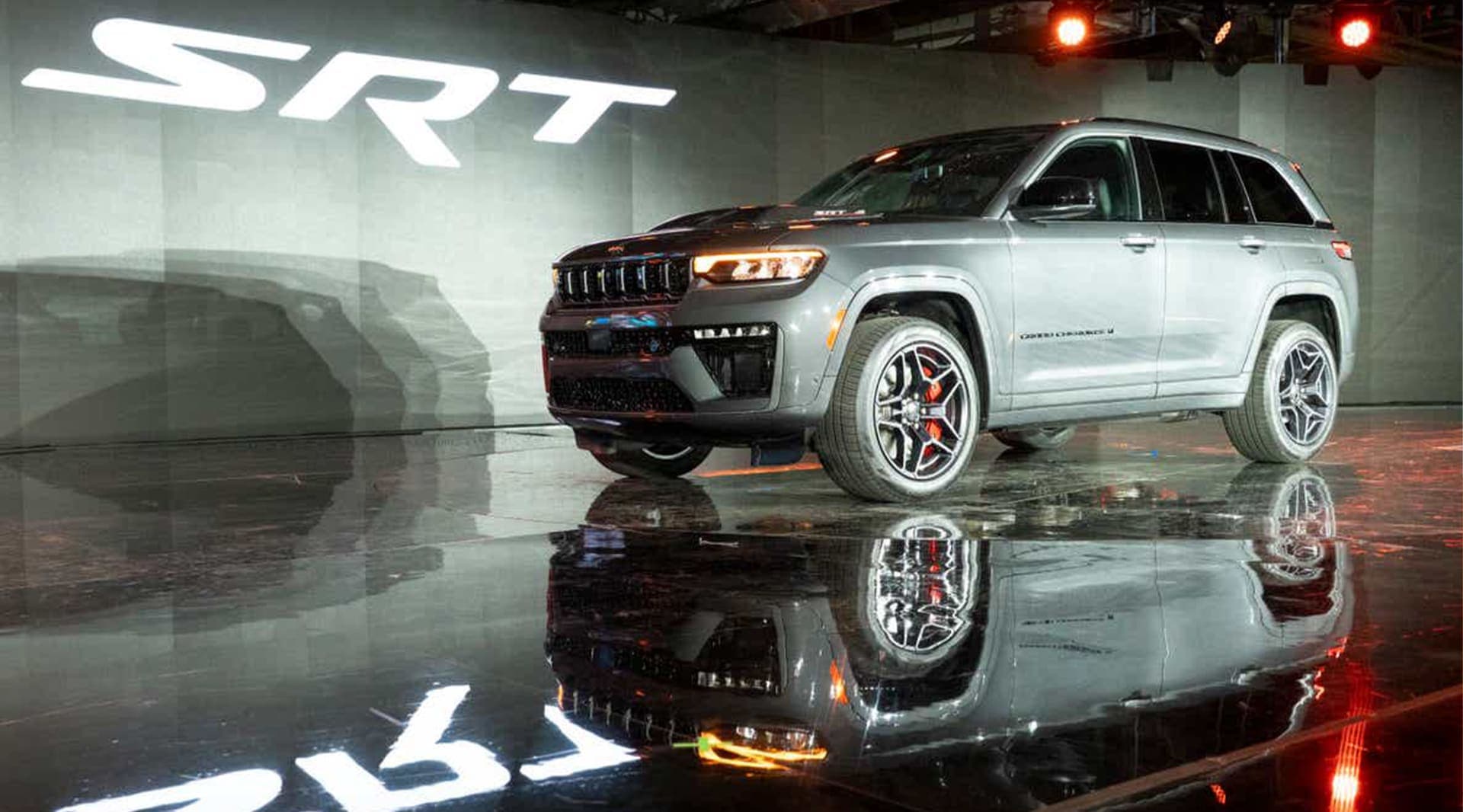
SRT has revealed eBoost Air, an experimental electric compressor system fitted to a Jeep Grand Cherokee SRT Concept, built to eliminate the turbo lag that has always separated turbocharged engines from SRT's old supercharged Hellcat V8s. The system sits ahead of the twin turbochargers on a 3.0-litre Hurricane High-Output inline-six, and multiple outlets that saw the prototype running put its output at around 640 hp, though SRT itself has not released an official power figure for this specific application. Stellantis executive Tim Kuniskis called it a system with "no downside," and engineers reportedly took just seven weeks to go from concept to a running prototype.
How an electric fan fills the gap turbos leave open
The e-compressor sits upstream of the twin exhaust-driven turbochargers, and an electronically controlled bypass valve routes air through it the moment a driver demands torque, before the turbos have built enough exhaust energy to spin up on their own. Within 650 milliseconds, the system can generate 10 psi of boost and reach 90 percent of the engine's maximum torque. As revs climb and the turbos take over, airflow returns to the normal induction path for a broader, more linear powerband. In the Grand Cherokee prototype, the e-compressor's assist lasts roughly three seconds before handing off entirely.
The Hellcat problem this is actually solving
SRT's supercharged 6.2-litre Hellcat V8 built its reputation on throttle response that felt instant, because a mechanically driven supercharger is always spinning, with no lag to hide. That engine is gone under modern emissions rules, and its turbocharged replacements, however efficient and compliant, inherit exactly the low-rpm lag that SRT spent two decades training its customers not to expect. The Hellcat has not vanished from every product, it still headlines a truck like the Ram Rumble Bee SRT, but eBoost Air is aimed squarely at bringing that same feeling to the turbocharged engines increasingly replacing it, not simply at adding peak horsepower on a spec sheet.
Borrowed tech, new territory
Electric compressors are not a new idea. Mercedes, Audi, and Volvo already run similar e-turbo or e-compressor systems in production cars today, so SRT is applying established technology rather than inventing it from scratch. The baseline matters here too: the current production Hurricane High-Output makes 550 hp and 531 lb-ft of torque at up to 30 psi of peak boost, so the roughly 640 hp figure reported around the prototype would represent a real step up, if SRT eventually confirms it officially. The brand has not said which production vehicle, if any, might get the system first.
AutoNext Take
Aiming eBoost Air at throttle response rather than a bigger peak number is the right framing, because that immediacy, not raw horsepower, is what people actually missed when the Hellcat went away. Seven weeks from concept to a running prototype, plus a Stellantis executive willing to say "no downside" on the record, suggests real internal urgency to solve the emotional problem rather than just build a tech demo for a show stand.
The caution is that this remains a concept-level system on a single demonstrator, with no confirmed production power figures, timeline, or destination vehicle. Mercedes, Audi, and Volvo already selling similar hardware means SRT is not breaking new engineering ground, just proving it can build an unapologetically American V8 replacement out of parts the luxury segment has already validated. Whether that satisfies people who specifically bought a Hellcat for the supercharger whine is a separate, harder question that fixing turbo lag alone will not fully answer.