Nissan's electric Pixo weighs 1,285 kg and charges at 50 kW
Nissan let Renault build the car and kept the part buyers look at first
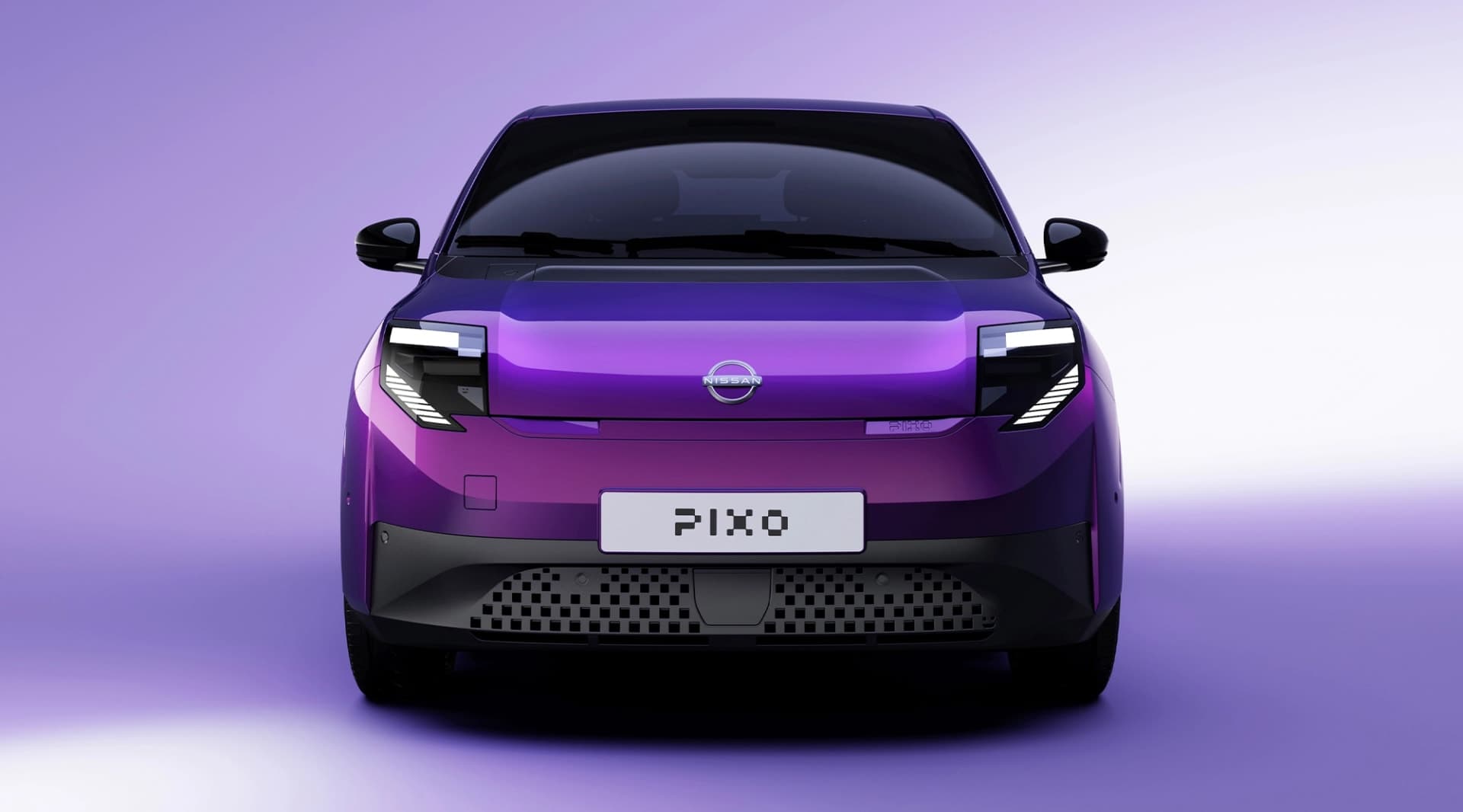
The Pixo is the smallest and cheapest electric car Nissan sells in Europe, and very little of it is Nissan's engineering. Renault designed the hardware, Renault builds it at Novo Mesto in Slovenia, and the cabin is largely the Twingo's. It is the second Pixo in a row to be somebody else's car, after the rebadged Suzuki Alto that wore the name until 2013. What Nissan controls, the bodywork at each end and the standard equipment list, turns out on today's numbers to be enough.
The 27.5 kWh LFP battery is a first for Nissan in Europe
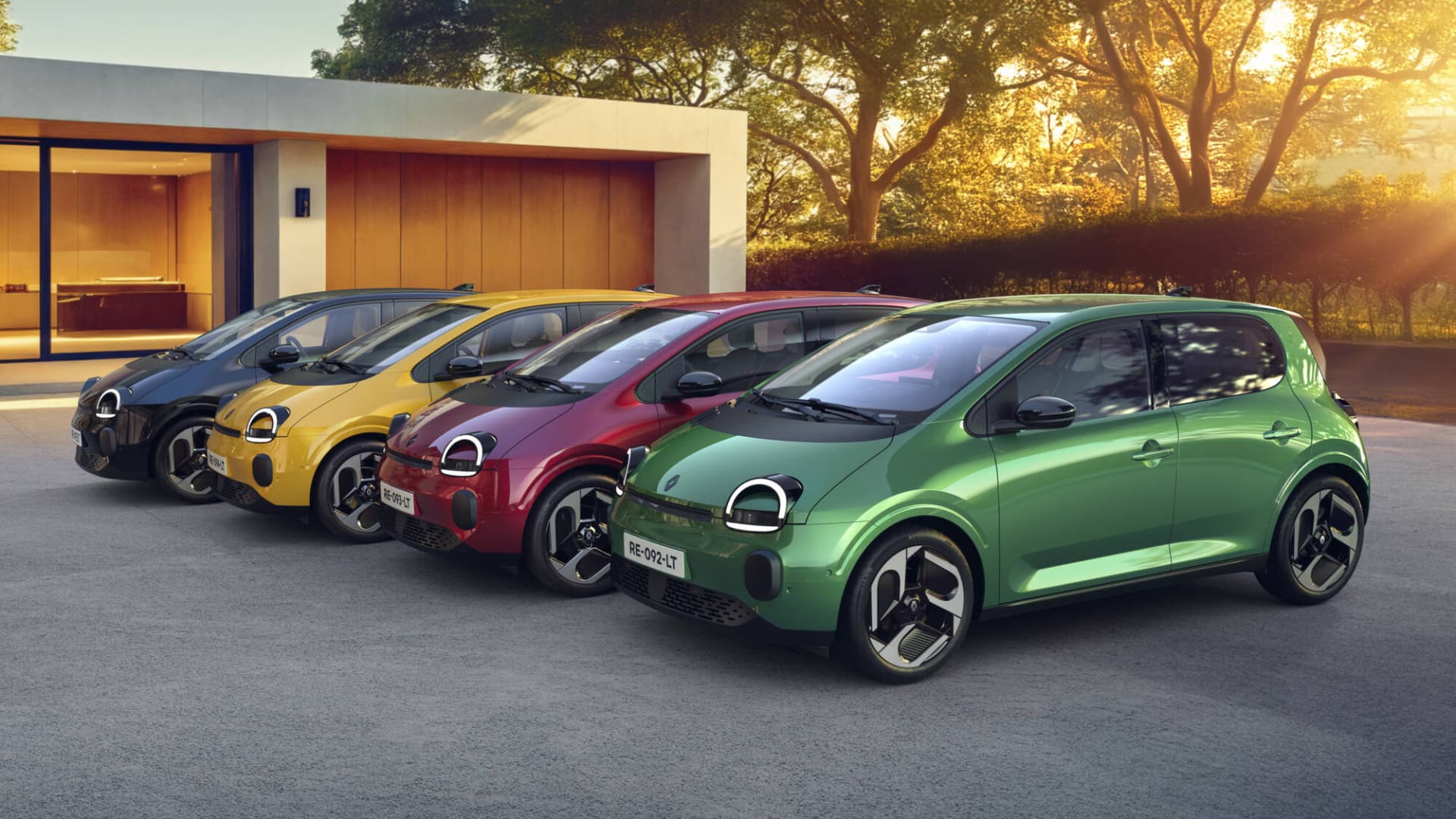
The Pixo runs a 27.5 kWh lithium iron phosphate pack, the first LFP battery Nissan has fitted to a European model, feeding a 60 kW front motor worth 82 hp. WLTP range is 259 km at a quoted 12.4 kWh/100 km, and the car weighs 1,285 kg, which is the figure doing most of the work here. The Twingo we drove earlier this year uses the same battery and the same motor and is rated at 263 km, so Nissan has given away four kilometres, about one and a half percent, in exchange for its own bodywork.
50 kW DC and an 11 kW bi-directional charger on every grade
Nissan has not reserved the charging hardware for the expensive trim. Every Pixo gets 50 kW DC rapid charging, good for 15 to 80 percent in roughly 28 minutes, and an 11 kW three-phase onboard charger that refills the pack from empty in about two and a half hours at home or at work. That AC charger is bi-directional, so a car in this class can send power back out again. One-pedal driving, adaptive cruise control with stop and go, lane departure warning and hands-free parking are standard as well.
A 356-litre boot, with 50 litres of it held for the cables
At 3,796 mm long, 1,790 mm wide and 1,512 mm tall on a 2,492 mm wheelbase, the Pixo is squarely A-segment, and its 9.9 m turning circle is sized for multi-storey car parks and narrow streets. Nissan claims room for four adults, quotes 356 litres of boot space and 1,221 litres with the rear seats folded, and the two rear seats slide independently so passengers and luggage can trade space. Fifty of those 356 litres are set aside for charging cables, which puts the honest luggage figure at 306 litres. There is no frunk.
Gemini is an A-segment first, and Face ID reads the driver
The Pixo is the first car in its class to carry Google's Gemini assistant, available from launch in 16 languages and dialects and able to keep conversation history from one journey to the next. Google built-in handles navigation and live route planning on a 10-inch central touchscreen, with a 7-inch driver display alongside it, and the MyNissan app covers charging and vehicle functions from a phone. Face ID recognises whoever sits down and loads their settings. Nissan's designers also hid 23 motifs around the car, because two-three reads as ni-san in Japanese.
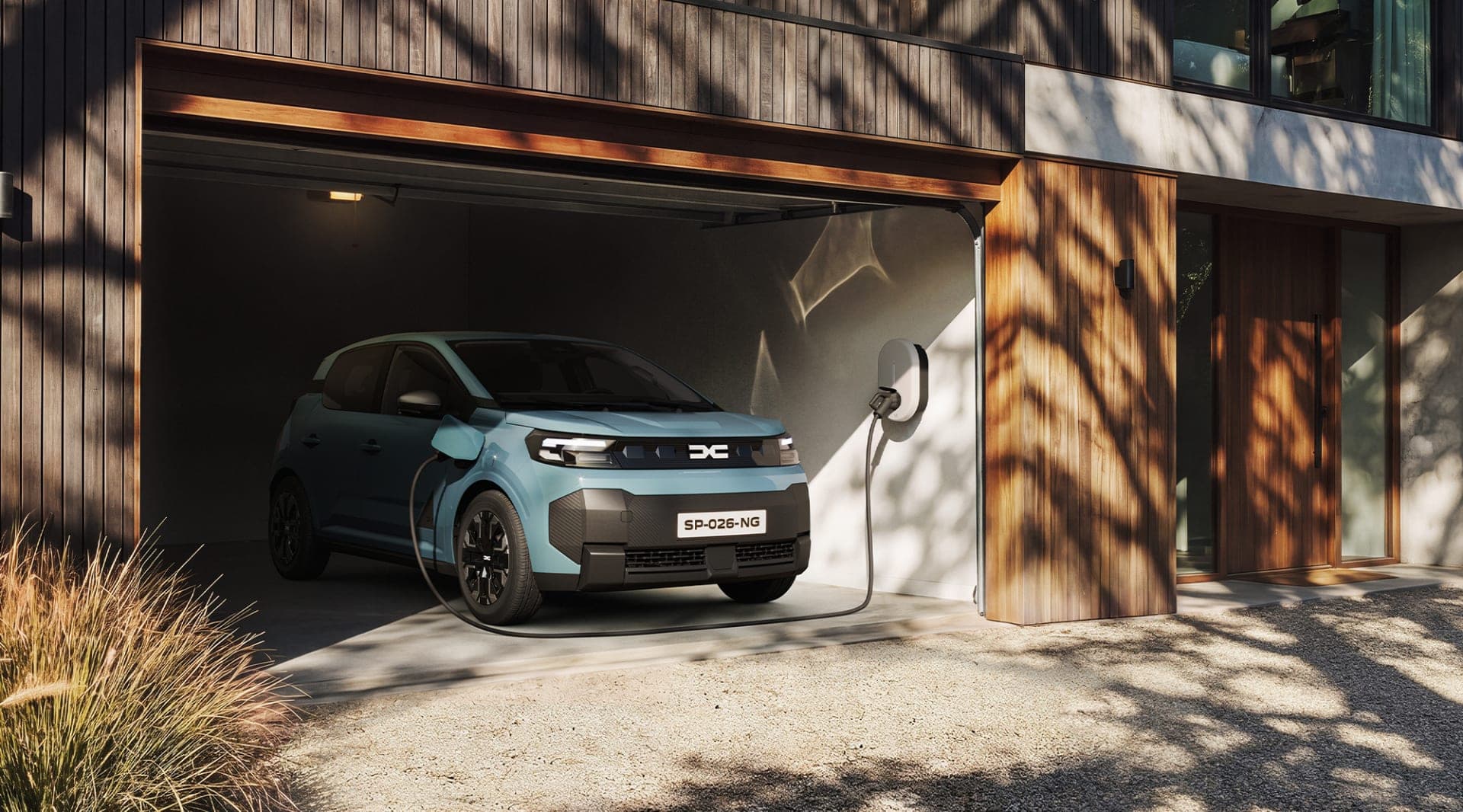
Novo Mesto now builds the Twingo, the Dacia Spring and the Pixo
Renault's Slovenian plant already assembles the Twingo and the second-generation Dacia Spring, which moved there from China on the same 27.5 kWh battery. The Pixo makes three A-segment electric cars for three brands on one line. Deliveries start in early 2027 and the car appears at the Brussels motor show in January, but Nissan will not name a price until December. Renault has already named its own: the Twingo lists at €19,990 in Germany and opened in France under €20,000.
AutoNext Take
Badge engineering used to mean the cheaper twin got less. The Pixo gets the same cells, the same 60 kW motor and the same sliding rear seats as the Twingo, and then writes 50 kW DC charging and an 11 kW bi-directional AC charger into every grade rather than saving them for the top trim. Four kilometres of WLTP range is noise. A standard fast charger on the entry car is not, and that one is a specification call Nissan made rather than something Renault handed over.
Nissan says pricing arrives in December, which leaves a single number to settle the car. The Twingo lists at €19,990 in Germany, so a Pixo above that is asking European buyers to pay extra for a bumper, a voice assistant and a purple paint option. A Pixo below it means Renault has been undercut by the company it builds cars for. Either answer will be legible on the stand in Brussels in January 2027, and the second one would be the better news for everyone who has spent five years asking for a cheap electric car actually made in Europe.