Dacia moved the Spring out of China, but not its motor
Dacia's smallest EV grew 18 cm wider without growing its price
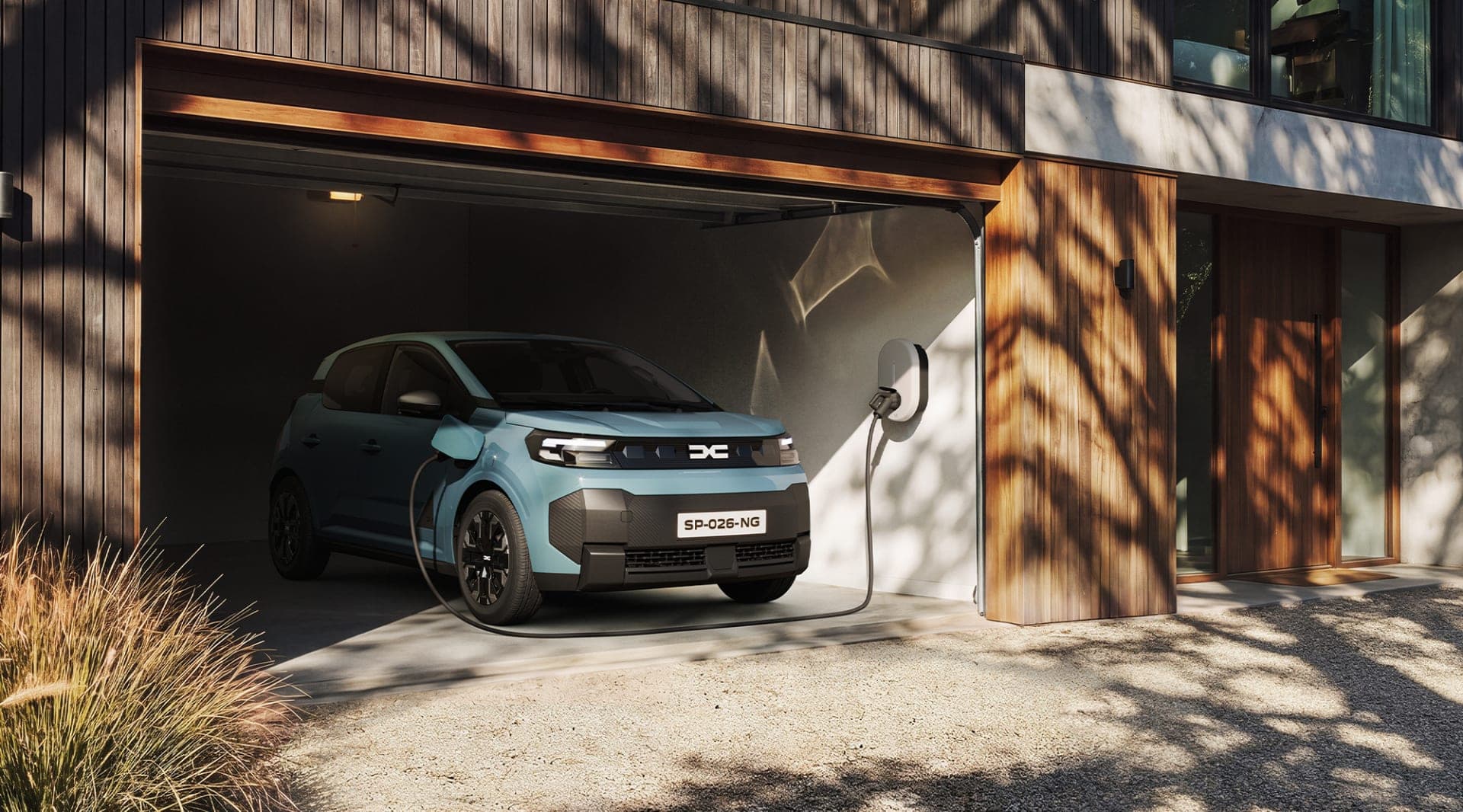
The second-generation Dacia Spring is 3.85 metres long, 18 cm wider than the car it replaces, and no version of it costs more than €20,000. It rides on the same Renault platform as the Twingo E-Tech, it is assembled in Slovenia rather than imported from China, and it went from concept to production in 16 months. Dacia says that is the fastest programme Renault Group has ever run.
Novo Mesto replaces China on the Spring's build plate
Production moves to Renault Group's Novo Mesto plant in Slovenia, where the Spring shares a line with the Renault Twingo E-Tech. The outgoing car was imported from China, which placed Europe's best-selling small electric car inside the same EU anti-subsidy duties on China-built EVs that Brussels aimed at Chinese brands. Assembling the replacement in Slovenia takes that cost out, and it also takes away the argument that a sub-€20,000 European EV could only be built offshore.
The 8E2D23 motor still comes from Shanghai e-Drive
Moving the factory did not move the whole supply chain. The Spring's synchronous motor is the 8E2D23 unit from Shanghai e-Drive, the same one fitted to the new Twingo, producing 80 hp and 175 Nm through the front wheels for 12.1 seconds to 100 km/h and a limited 130 km/h. The 27.5 kWh pack uses lithium iron phosphate cells, the chemistry Chinese suppliers industrialised first. A European-built car and a European supply chain are not the same thing.
337 litres, four seats and a battery sized for 34 km a day
Dacia deliberately did not chase range. The 27.5 kWh LFP pack returns 250 km on the WLTP cycle at 12.7 kWh/100 km, barely up on the old car, and the reasoning is data rather than ambition: the average Spring owner covers 34 km a day and three quarters of them charge at home. The wider body buys a real four-seat cabin, a 337-litre boot that becomes 1,283 litres with the split rear bench folded, and an optional 18-litre frunk for the cables, all at 1,212 kg.
Under €18,000 for the Expression, under €20,000 for the Journey
There are only two trims. The Expression opens below €18,000 with manual air conditioning, an electromechanical handbrake and a smartphone cradle in place of a screen. The Journey stays under €20,000 and adds a 10.1-inch touchscreen with connected navigation, a reversing camera and a hands-free card. Italy starts at €17,900 and British prices are expected just under £18,000 when the car arrives in the first half of 2027. Charging is deliberately modest: 6.6 kW AC as standard, with 11 kW AC and 50 kW DC bundled into one option pack that covers 15 to 80% in 28 minutes.
The China-built Spring stays on sale underneath the new one
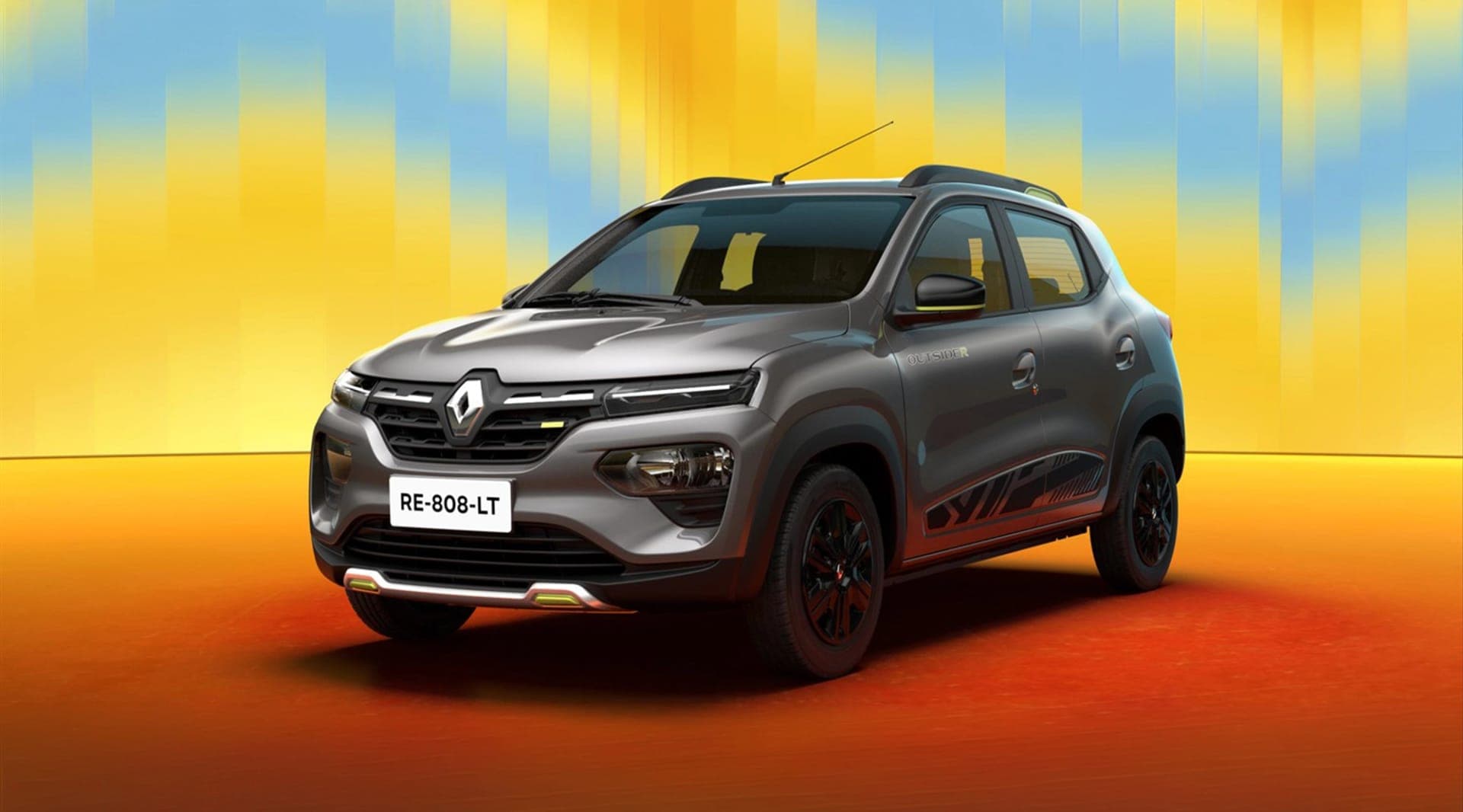
The outgoing Spring does not retire. Dacia will keep the Chinese-built car in the price list alongside its replacement for a transitional period, as the cheaper way in. That is a plain admission that European assembly did not make this car less expensive. The old Spring sold more than 210,000 units across over 40 countries in five years and was Europe's best-selling A-segment EV last year, so there is a queue of buyers who read the price before anything else.
AutoNext Take
Dacia got under €20,000 by keeping the battery small, not by moving the factory. Slovenia removes a tariff line but adds European labour and European energy, and the proof is sitting in the same showroom: the car this one replaces will be parked next to it at a lower price. The €17,900 opening figure is the entire product brief. Two trims, 250 km, 80 hp and steel wheels, because every euro spent on range pushes the Spring up into the bracket where Chinese rivals already sell.
The real test is not whether the Spring sells, it is whether Novo Mesto can build it and the Twingo in the volumes both need, because Renault Group has just put its two cheapest electric cars on one line in one country. Three more Dacia EVs are due by 2030 and the Sandero is next in the queue. If Spring waiting lists start stretching the way Volkswagen's ID. Polo already has, the limit on Europe's affordable EV stops being the tariff and starts being the factory.