Nissan's new Pixo is a Renault. The last one was a Suzuki
The badge is Japanese, the platform is French, the plant is Slovenian
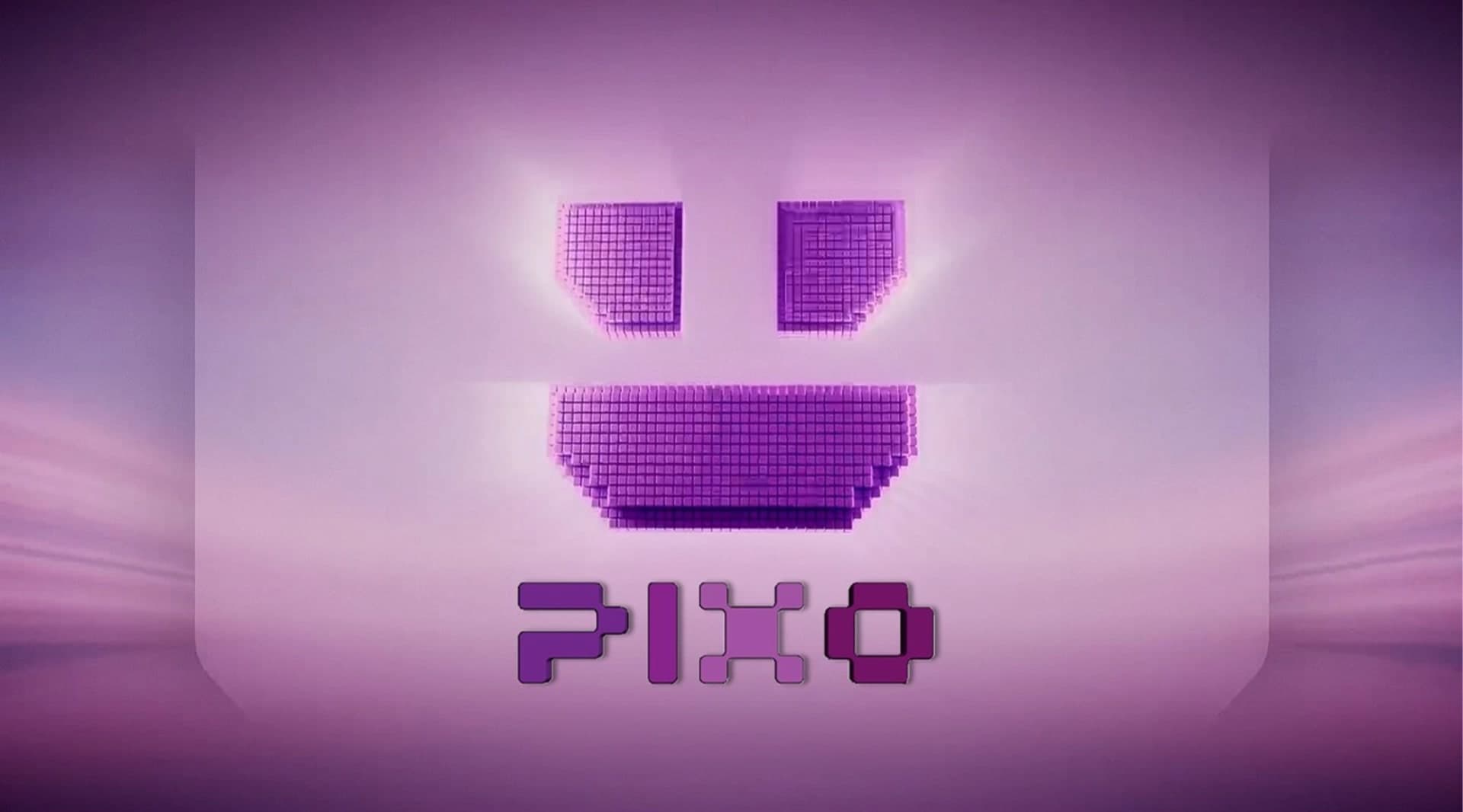
Nissan will reveal a new Pixo on 23 September, and it is a Renault underneath. The A-segment electric car is based on the Renault Twingo, will be built by Renault alongside it, and slots below the Micra as the cheapest way into Nissan's electric range in Europe. So far there is a short teaser video and almost nothing else, which leaves the Twingo's specification sheet doing the talking.
The Pixo sits below a Micra that is already a reworked Renault 5
Nissan is positioning the Pixo as the entry point to its electric line-up, one rung under the Micra. That Micra is a reworked Renault 5, so both of the smallest cars Nissan sells in Europe are Renault products wearing Nissan bodywork. The company promises the Pixo will bring fresh, fun character to the compact EV segment and combine compact dimensions with distinctive Nissan design. Design is the part Nissan owns.
Expect 82 hp, 27.5 kWh and 263 km from the Twingo's hardware
Nissan has published no technical detail, so the Twingo's numbers are the ones to work from. The Renault uses a 60 kW front motor, 82 hp and 175 Nm, fed by a 27.5 kWh lithium iron phosphate battery supplied by CATL. That is worth 263 km on the WLTP cycle, a 130 km/h top speed and 12.1 seconds to 100 km/h, with 6.6 kW AC charging as standard, 11 kW optional and DC charging capped at 50 kW. The Twingo starts at €19,500 in France. Nissan has not quoted a Pixo price.
Novo Mesto now builds the Twingo, the Dacia Spring and soon the Pixo
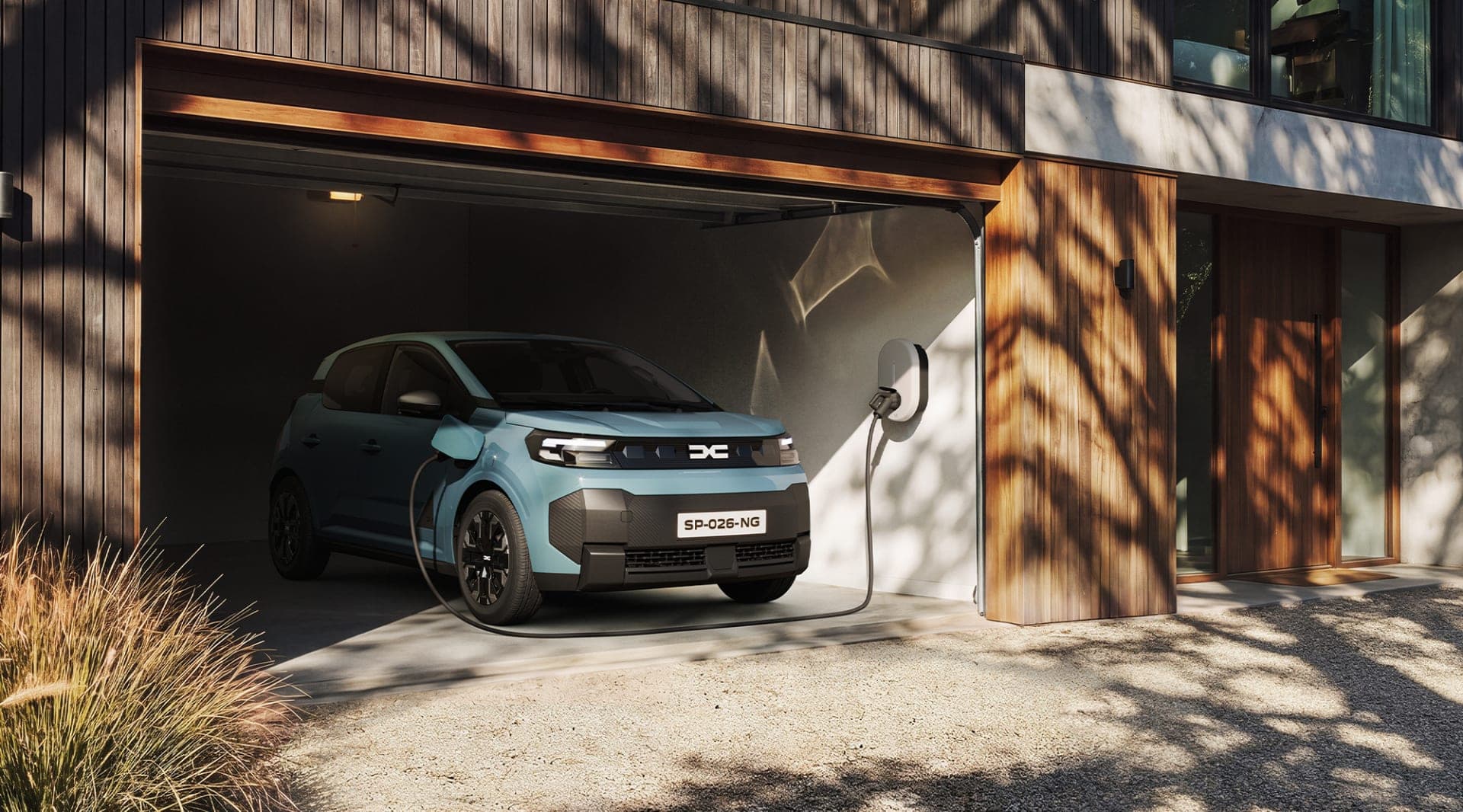
Renault builds the Twingo at Novo Mesto in Slovenia, and the second-generation Dacia Spring has just moved there from China on the same 27.5 kWh battery. Add the Pixo and one Slovenian line carries three A-segment electric cars for three brands, sharing a floor, a battery chemistry and a motor. Europe spent most of a decade arguing that cars this small could not be built here at a profit.
The 2009 Pixo was a Suzuki Alto with different headlights
This is the second Pixo, and the first was not a Nissan either. Between 2009 and 2013, Nissan sold a Pixo that was a rebadged Suzuki Alto, built on Maruti Suzuki's Indian line next to the Alto and the Celerio. It had its own headlights, bumpers, bonnet and grille, and was otherwise the Suzuki. It sat below the Micra then too, and it was pulled from sale in 2013. The name has been dormant for thirteen years.
Nissan's small cars come from partners in India as well as Europe
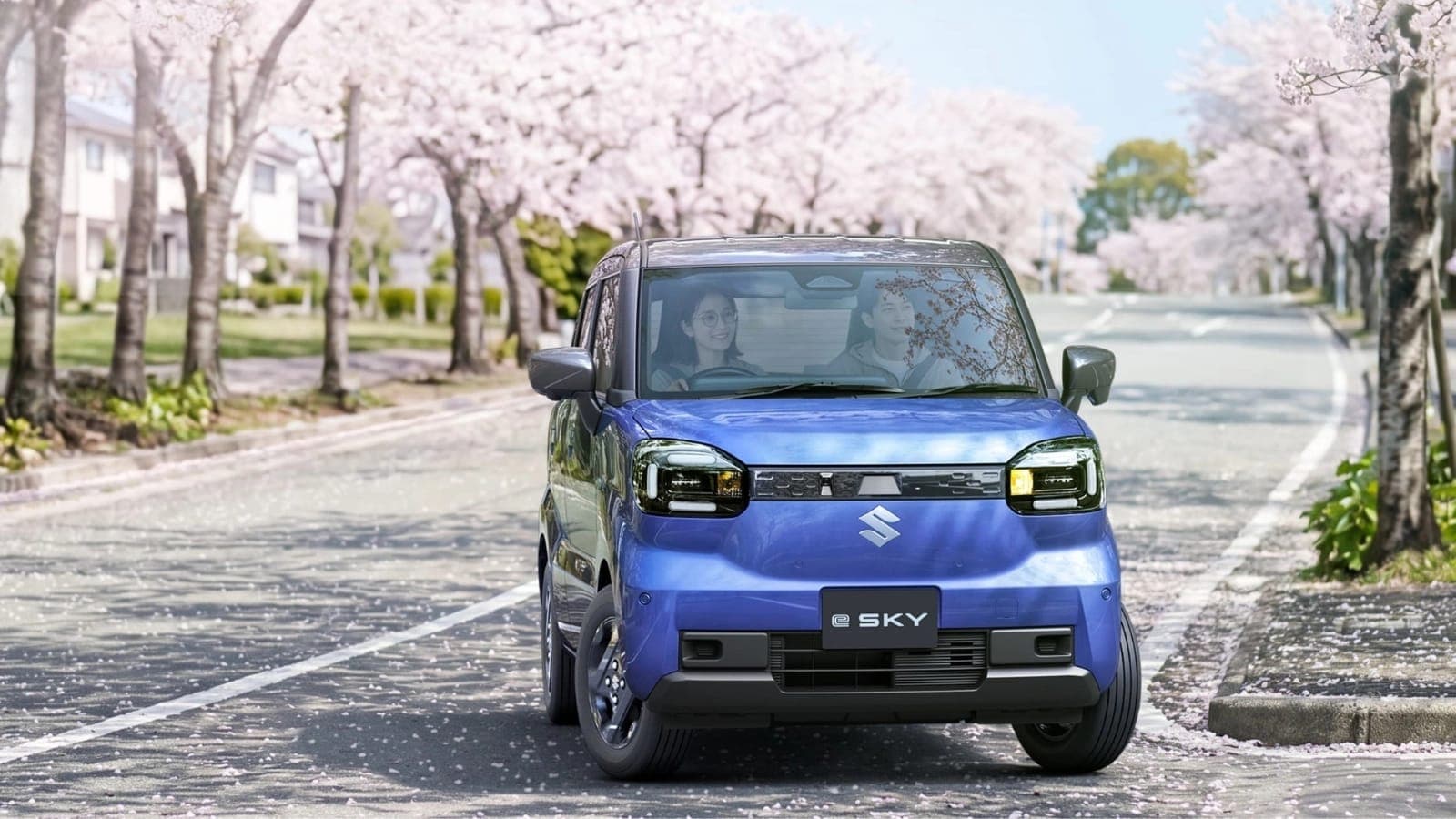
The pattern reaches beyond the A-segment. In India, Nissan's Tekton SUV is a Dacia Duster underneath. Nissan returned to profit this year on cost cuts rather than a sales recovery, and borrowing a partner's floor is the cheapest way to keep a showroom stocked. Sunderland still builds Nissan's own Qashqai and Juke. The cars underneath them increasingly belong to somebody else.
AutoNext Take
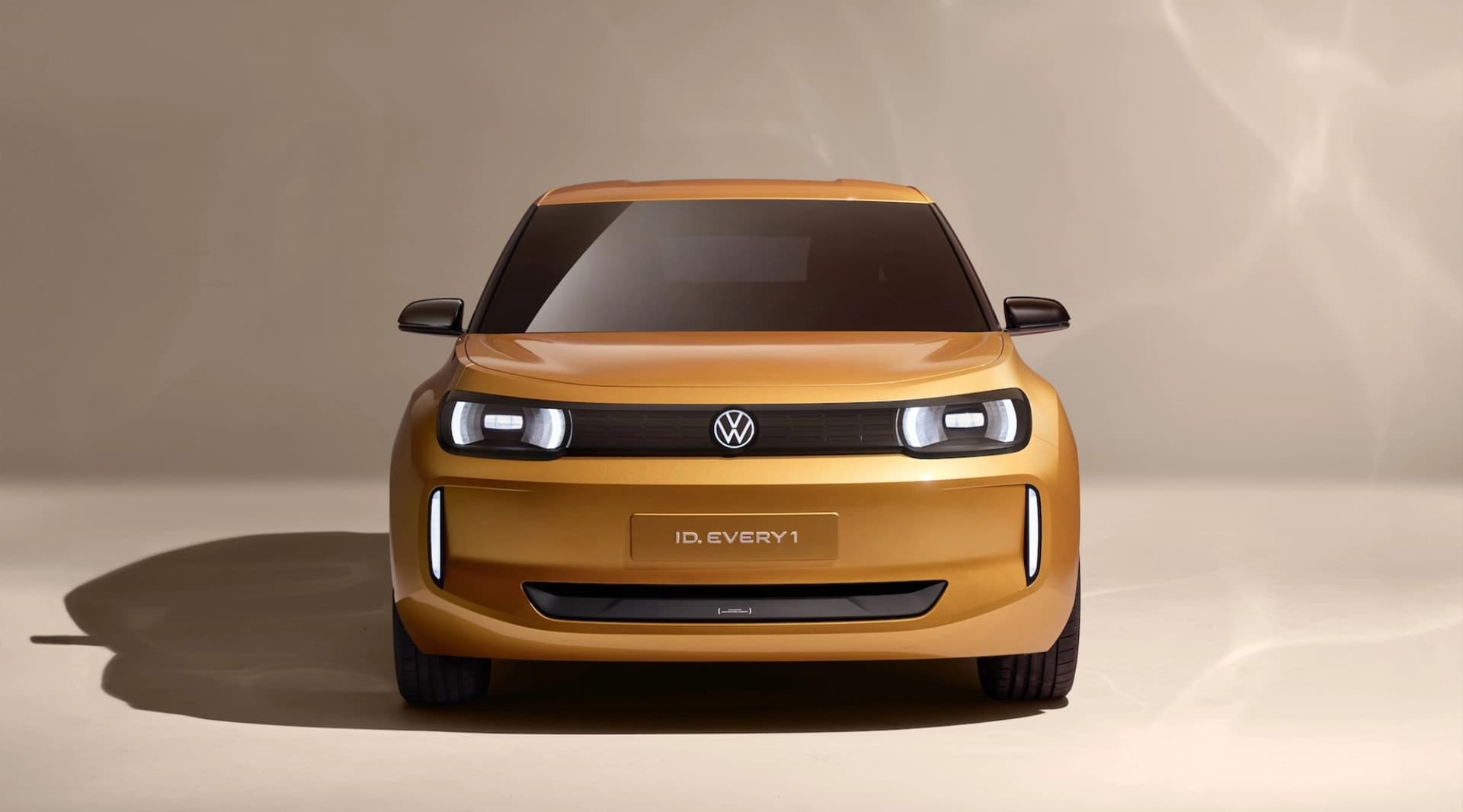
The interesting number here is not 263 km. It is three. Volkswagen, Seat and Skoda withdrew the Up, Mii and Citigo once Europe decided a car that small could not carry its own build costs, and Dacia's answer at the time was to import the Spring from China. Renault has now put the Twingo, the Spring and the Pixo on one Slovenian line, and the Spring still arrives under €20,000 having left China altogether. Volkswagen is coming back to the segment in 2027 with the €20,000 ID. Up. The constraint was never the continent. It was volume per line.
Three badges on one floor only works if they sell to three different people. The Twingo has its own history to trade on and the Spring has a reputation as Europe's cheapest electric car. The Pixo has a name that left showrooms in 2013 and a specification its two siblings already share. Nissan therefore has to land either under the Twingo's €19,500 or with equipment the other two do not offer, and 23 September is when we find out which. Match both the price and the hardware, and the Pixo is competing with its own siblings on a grille.