Every 911 restomod worships the past. Airion built the future the 993 never got
Almost every 911 restomod is a love letter to the past. Airion built the future the 993 never got instead.
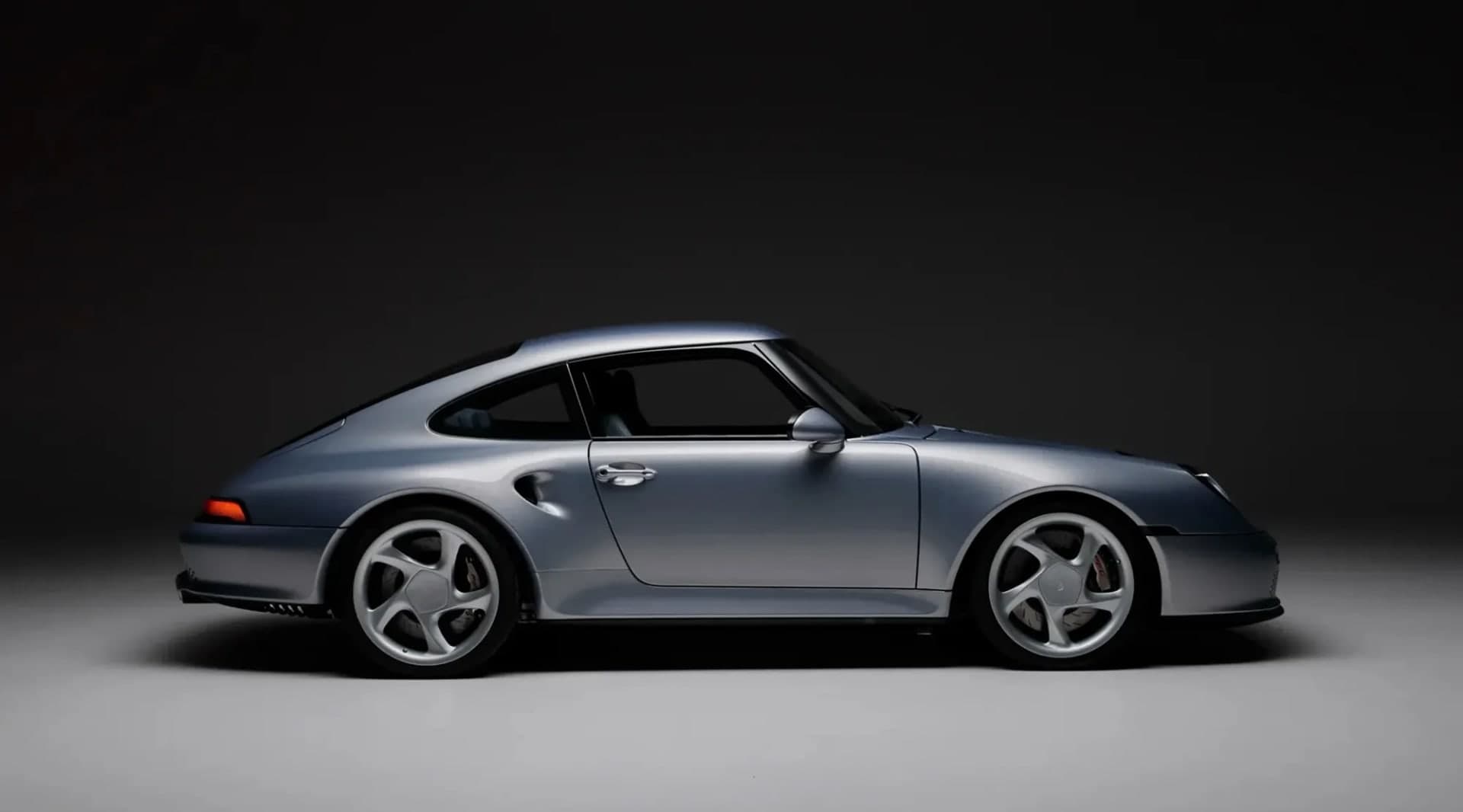
The reborn air-cooled 911 has become one of the most lucrative ideas in cars, and almost every version of it points in the same direction: backwards. Singer, Gunther Werks, Tuthill and the rest have built an entire industry on reverence, on making an old Porsche more perfectly, more gloriously old. So the most striking thing about Airion, a new brand from Berlin that unveiled its first car at The Quail this week, is not the carbon or the price, though there is plenty of both. It is the direction it faces. Airion has taken a Porsche 993 and, rather than polishing the past, built the future that Porsche cancelled in 1998. It is a restomod pointed forwards, and in this scene that is close to heresy.
What Airion has made
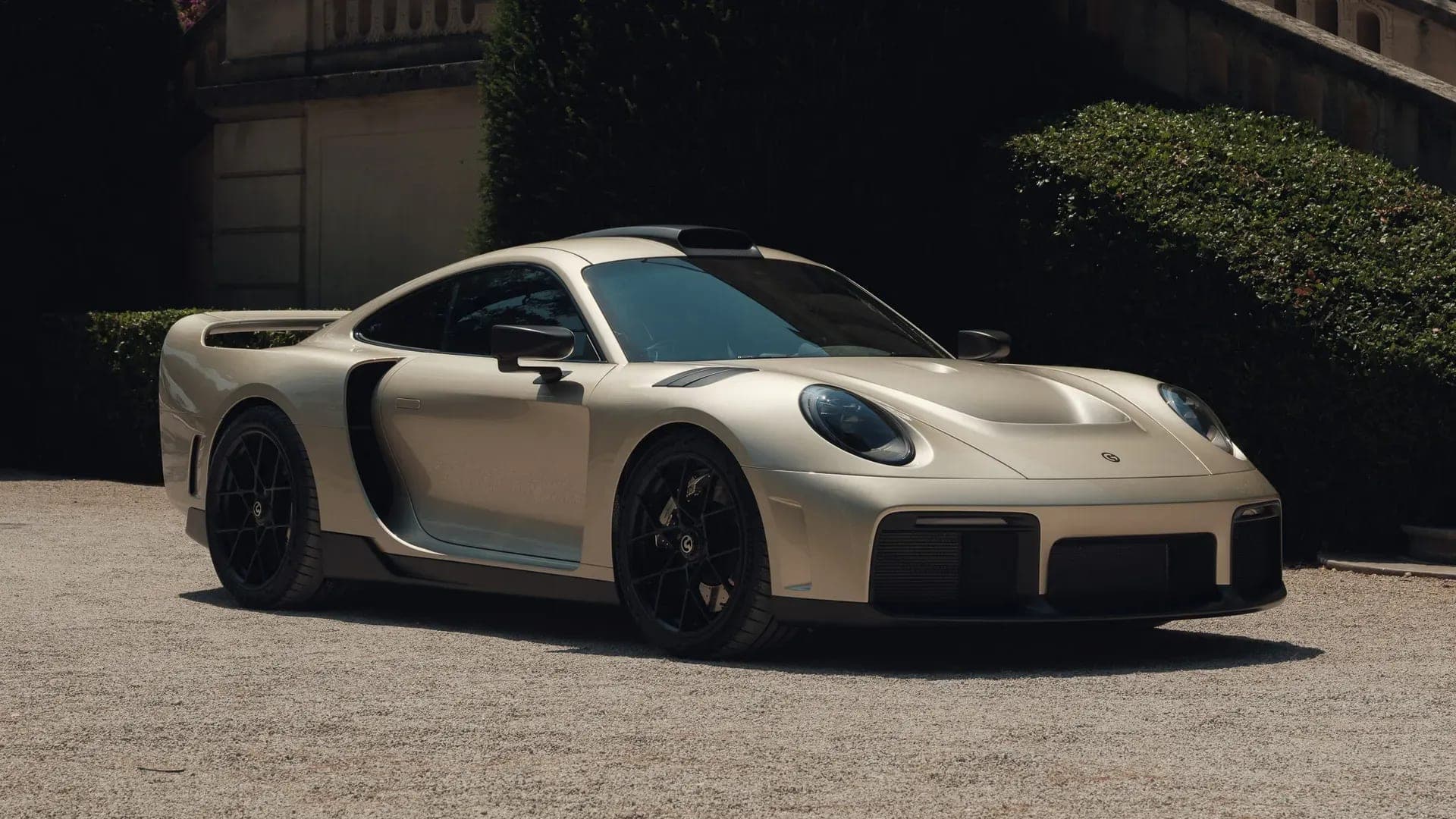
Airion Automotive, pronounced AIR-ON, is a small Berlin team drawn from luxury, motorsport and the OEM supplier world, and it built this car with two serious partners: the Milan design studio BorromeodeSilva and HWA, the Affalterbach engineering house behind some of the wildest road and racing Mercedes. At its heart is a 4.3-litre air-cooled flat-six making more than 400 hp and 430 Nm, which HWA says makes it the most powerful naturally aspirated 993 ever built. An integrated carbon-fibre structure raises rollover strength by 250 percent, while the cabin is a jewellery box of machined aluminium for the shifter, pedals and controls and components turned from European walnut, described as having the mechanical feel of a fine watch. Crucially, each car keeps its original Porsche VIN and is engineered to German road certification. Only 50 will be built, each fully bespoke, from 895,000 euros before tax and the donor car, with first deliveries due in the third quarter of 2027. Project leader Constantin Rau is the voice of the whole philosophy.
The restomod scene has two religions. Airion rejects both
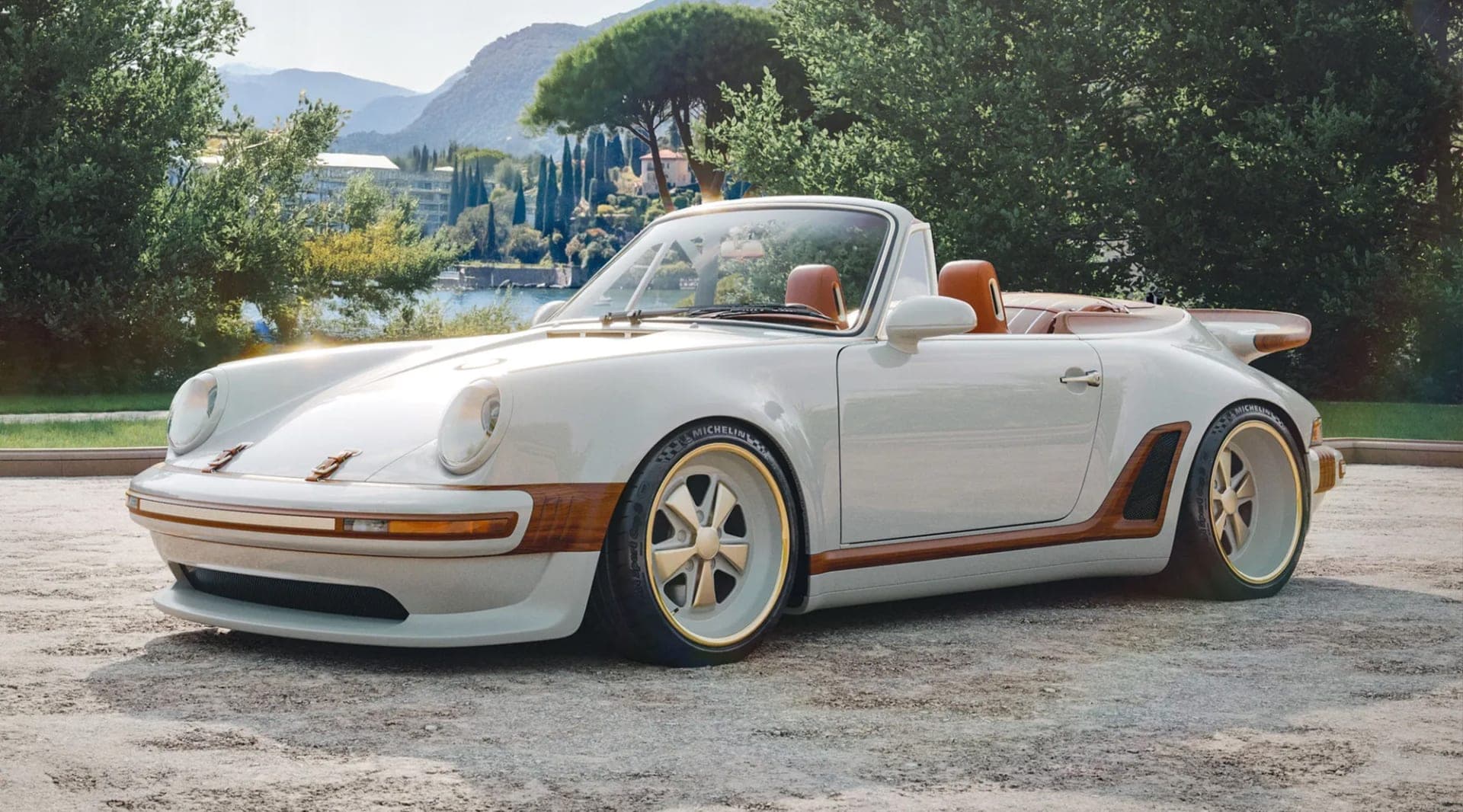
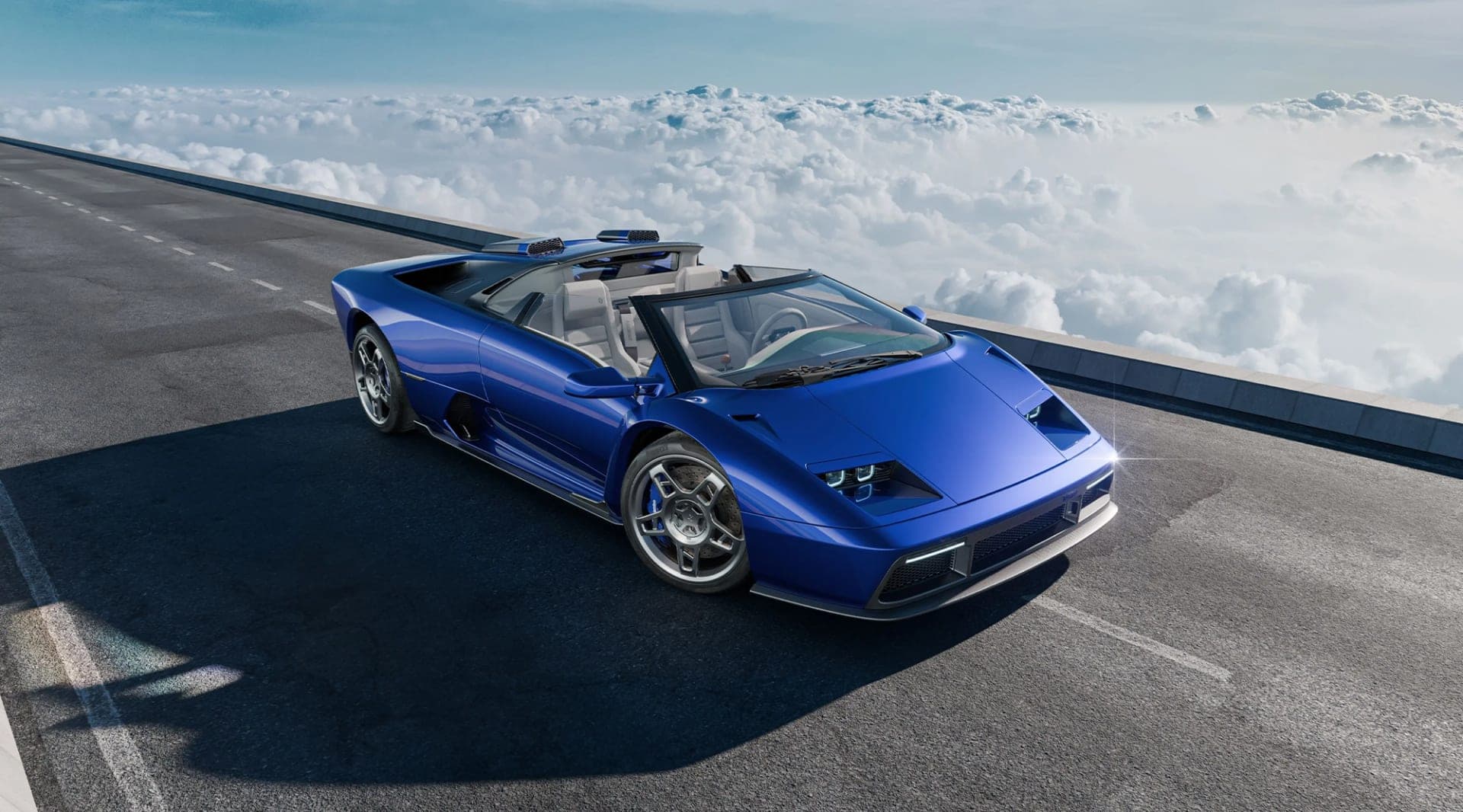
Look at the field and it splits into two churches. There is the church of nostalgia, where Singer perfects the platonic ideal of a vintage 911 and builders lovingly resurrect icons like the Lamborghini Diablo, trading on reverence and memory. And there is the church of extremity, the horsepower arms race of Gunther Werks and its rivals, chasing ever more power, more aero and less weight until an air-cooled 911 weighs less than a Miata. Rau dismisses both in a single sentence: more power, grip and aero do not inevitably mean more enjoyment on the road, he says, and recalling iconic design cues from the past does not necessarily add substance. In a genre built entirely on those two impulses, that is not a mission statement. It is a provocation.
The future that never happened
So if not the past, what? Airion's answer is a counterfactual almost no one in this business dares to ask: what would the air-cooled 911 have become if Porsche had not abandoned it for water-cooling in 1998? The design, by BorromeodeSilva, is the clue. It is not retro at all. Its organic, fluid surfaces are drawn from the industrial design of the early 2000s, the era of Zaha Hadid and Ross Lovegrove, so the car looks like a 993 that kept evolving for another decade rather than one frozen in amber. That is a fundamentally different act from restoration or amplification. It is speculative continuation, the same forward-looking instinct that turned a Porsche 959 into the Marsien, and keeping the original VIN makes the point literal: this is not a replica of that Porsche's past but the next chapter of its life.
Power is not the point, so of course they made the most powerful one
Here is the nuance a lazy reading would miss. For a company that insists power is not the measure of joy, Airion, through HWA, still went and built the most potent naturally aspirated 993 in existence. That is not a contradiction; it is the whole argument. Airion is not preaching asceticism or slowness, and it is not asking anyone to accept less car. It is saying the number is a by-product of doing the engineering properly, not the reason the car exists, which is exactly why it leads with philosophy and buries the datasheet rather than shouting a headline figure. That instinct is very German, the same OEM-grade rigour you see in the country's other serious 911 engineers. Where the restomod scene is largely a Californian and English romance, Airion treats it as an engineering discipline: German type approval, race-team development, the original chassis number preserved. It is craft as engineering rather than craft as nostalgia.
AutoNext Take
The restomod boom has been, at its core, a nostalgia economy. We pay extraordinary sums to relive a past we have collectively mythologised, to own a version of an old car more perfect than the original ever was. It is a wonderful business precisely because nostalgia is safe; longing for what we already loved carries very little risk. Airion is the first builder to suggest the genre could be about imagination instead of memory, to treat the air-cooled 911 not as a relic to be polished but as an unfinished idea to be continued.
Whether the world actually wants a forward-looking restomod is a real and open question, because the entire appeal of the category has always been the comfort of looking back. A €895,000 answer to a counterfactual is a bold thing to build, and Airion may find that buyers who can afford the dream still prefer the one they can already picture. But it is, without question, the most interesting question anyone in this scene has asked in years: not how do we make the past perfect, but what future did we lose, and can we still go and build it. Asking a better question is what separates a genuine car company from a very expensive tribute act, and on that measure alone, Airion has already arrived.