Aston Martin will deliberately build fewer cars, and keep the V12 alive
Scarcity is the new strategy, and it might just save the V12
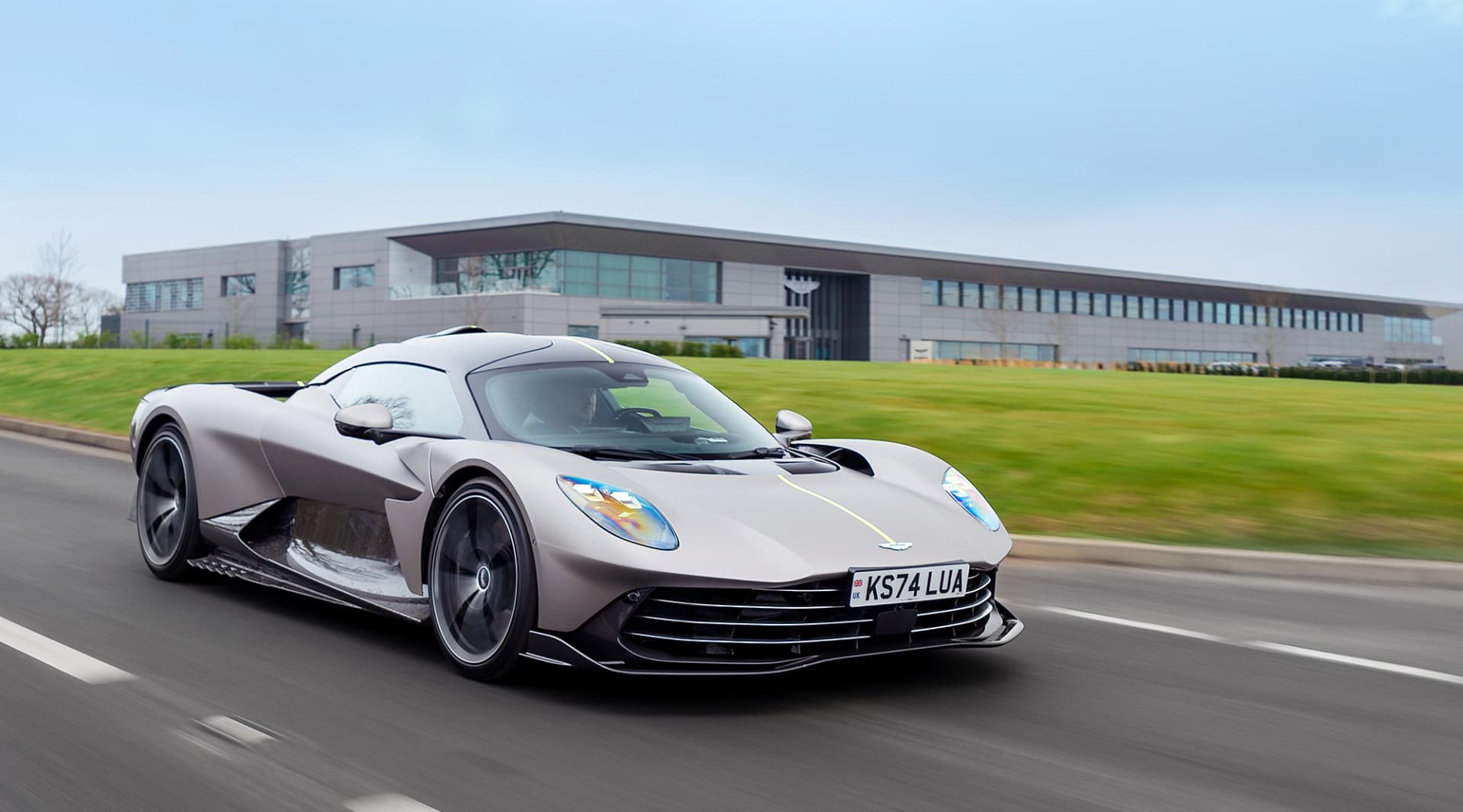
Aston Martin has decided that making more cars was a mistake. New CEO Adrian Hallmark, speaking at Le Mans, admitted that chasing 10,000 annual sales was the wrong call, and will instead deliberately cap production at 6,500 to 7,000 cars a year to protect the brand's exclusivity, and its margins. It is a striking change of direction, and one with a very happy side effect for enthusiasts.
Borrowing from Ferrari's playbook
The post-pandemic boom in luxury spending has cooled, and Hallmark, who arrived from Bentley, is responding by following a strategy Ferrari has used for decades: build slightly fewer cars than the market wants, and let demand outstrip supply. By capping volume at 6,500 to 7,000 cars, Aston expects to cut corporate overhead by roughly 30 percent. Fewer cars, lower costs, higher prices and stronger residuals. On paper, it is exactly how you make a small luxury carmaker profitable.
One GT model gets the axe
Part of the simplification means Aston's current trio of front-engined sports cars will lose one member, which Hallmark did not name. The flip side is that the survivors will gain a wave of new and distinct variants. Hardcore drivers can expect track-focused, motorsport-inspired derivatives, while comfort-minded buyers will get plusher grand-touring versions that exploit the full softer end of the brand's adaptive suspension. One platform, many flavours, each commanding its own price.
The V12 lives, and the hybrid dies
This is the part enthusiasts will love. Hallmark confirmed the twin-turbo V12 is safe from retirement until at least 2035. Even better, Aston has officially shelved its plug-in hybrid development programme entirely. The company's internal data concluded that heavy, battery-laden hybrid systems offer no meaningful regulatory or performance benefit for a small-volume maker, so rather than add weight and complexity, Aston will protect its mechanical heritage and lean into pure driving theatre.
AutoNext Take
This is the most coherent Aston Martin strategy in years, and it is refreshing precisely because it admits chasing volume was a mistake. A brand like Aston was never going to win by out-producing rivals, it wins by being rare, special and emotionally irresistible, and that is exactly what capping production and doubling down on the V12 protects. Shelving the plug-in hybrid is the boldest call of all, and the honest one: for a maker of a few thousand hand-built GTs, a heavy PHEV was always going to be dead weight. Fewer cars, more character, and a V12 with a guaranteed decade ahead of it. If Hallmark delivers, this is how you make Aston Martin matter again.